
Eastern Shore of Maryland
The Eastern Shore of Maryland is the state's lowland region east of the Chesapeake Bay—part of the Delmarva Peninsula—known for agriculture, seafood, coastal tourism, and distinct cultural history.

The Eastern Shore of Maryland is the portion of the state located on the east side of the Chesapeake Bay. Occupying the northern segment of the Delmarva Peninsula, the region is a largely rural and coastal landscape distinguished from Maryland's more urban Western Shore. The area is often described in terms of geography and culture: its mix of waterfront wetlands, tidal rivers, barrier islands and farmland shapes local life, economy, and settlement patterns.
Image gallery
9 Images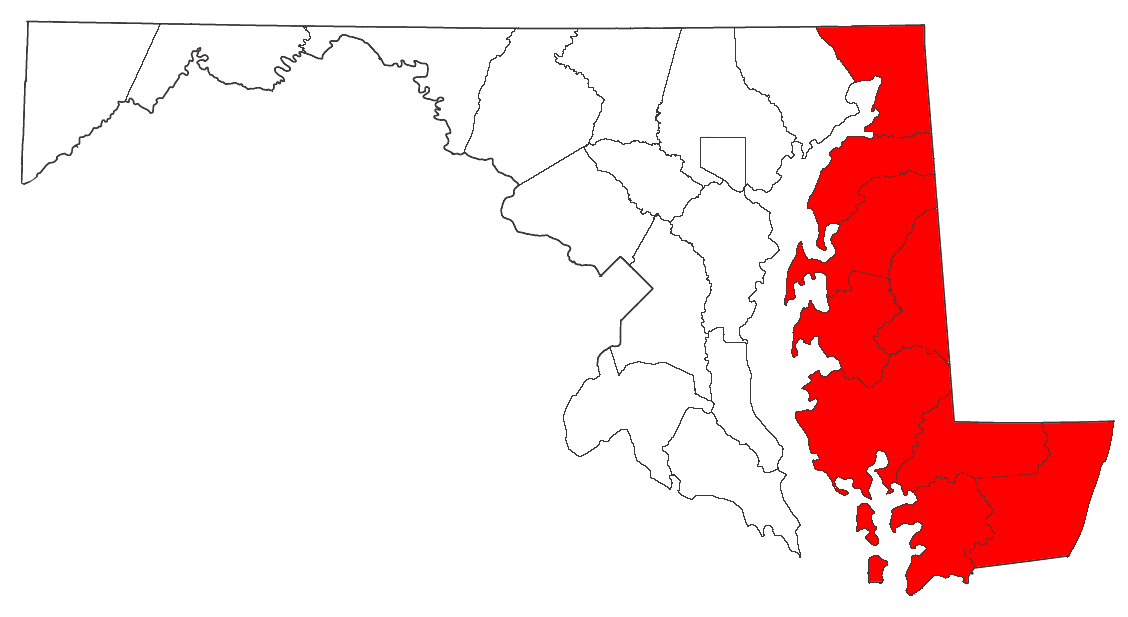



Counties and communities
The Eastern Shore comprises nine counties that form Maryland's easternmost political units. These counties are home to small towns, agricultural communities, and a few regional centers. The nine counties are:
- Cecil
- Kent
- Queen Anne's
- Talbot
- Caroline
- Dorchester
- Wicomico
- Worcester
- Somerset
Salisbury, on the lower shore, is the largest city and a commercial hub for the region; see Salisbury for more local services and institutions. The Eastern Shore contains many small towns and seasonal communities that depend on both local industries and visitors.
Landscape, ecology, and transportation
The shore's landscape is shaped by the nearby bay: tidal marshes, estuaries and low-lying agricultural fields dominate. These environments support fisheries and waterfowl and are important for the Chesapeake Bay ecosystem. Barrier islands and sandy beaches line parts of the Atlantic coast and help protect inland waters. Major travel routes connect the shore to the rest of Maryland and the mid-Atlantic, with highways such as US 50 and US 13 and crossings that bridge the bay to the Western Shore. The region's location on Delmarva also links it culturally and economically with neighboring parts of Delaware and Virginia.
Economy and land use
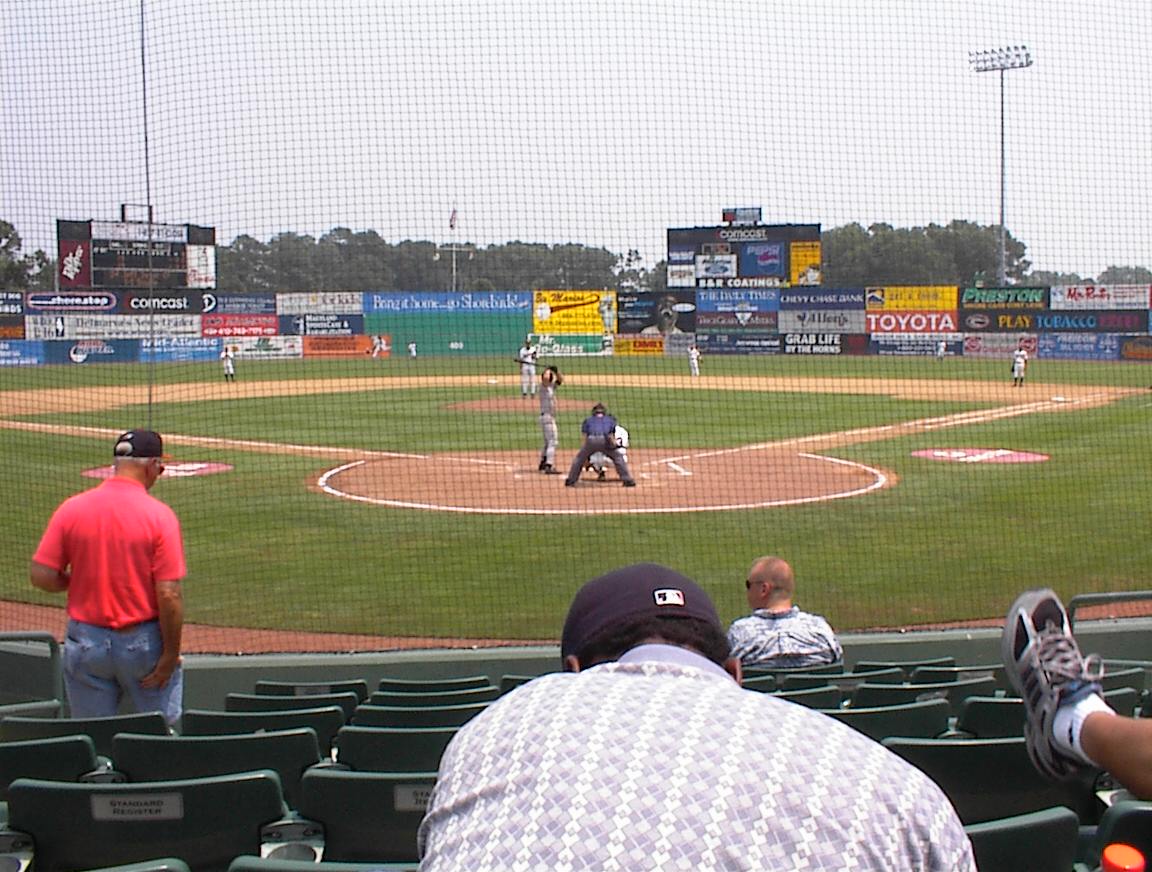
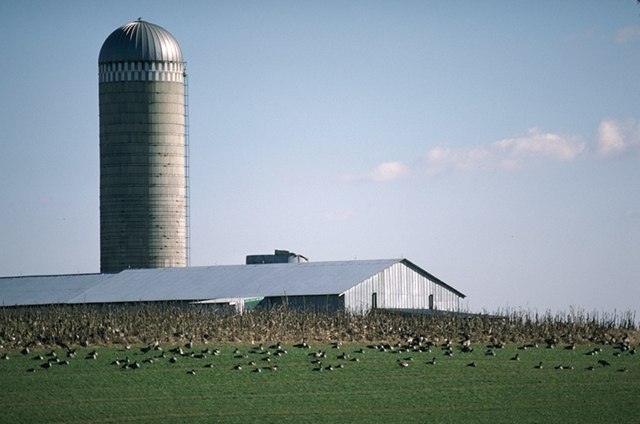
Agriculture and seafood have long been the backbone of the Eastern Shore economy. Farms produce poultry, grains and vegetables, while the bay and rivers provide blue crabs, oysters and other seafood harvested both commercially and recreationally. Tourism—especially coastal resort activity—is vital in summer months. Visitors seek beaches, recreational fishing, and the small-town character of waterfront communities; the area contains popular shore destinations and boardwalks such as those in Ocean City attractions.
History and cultural notes
The Eastern Shore retains visible traces of its colonial past, Indigenous presence, and maritime industries. Historically more rural and agrarian than the state's central and western counties, the region has developed unique local traditions and an identity sometimes described as distinct from the Baltimore–Annapolis corridor. The political and cultural outlook on the Eastern Shore can differ from that of the Western Shore; the divide created by the bay remains a useful shorthand for geography and local concerns, often expressed as land west of the bay versus land to the east.
Travel, recreation, and further information
Many visitors come for the beaches and coastal recreation. Well-known beach areas and seaside attractions draw regional tourism; see references to local beaches and specific destinations like Ocean City for leisure opportunities. For demographic and administrative context, the region is sometimes summarized by population figures and its share of Maryland residents statewide, and official sources list the nine counties and their government services. Together, geography, economy, ecology and history give the Eastern Shore of Maryland a distinct place within the state's landscape.
Related articles
Author
AlegsaOnline.com Eastern Shore of Maryland Leandro Alegsa
URL: https://en.alegsaonline.com/art/29777
Sources
- easternshorevisitor.com : "MARyland's Eastern Shore"
- wmdt.com : "Ocean City looking to become more sustainable"