
Eastern Samar (Philippines)
Eastern Samar is a coastal province in the Eastern Visayas region of the Philippines, known for its Waray culture, rugged coastline, historic sites and exposure to tropical cyclones. Capital: Borongan.
Eastern Samar is a coastal province on the eastern edge of Samar Island in the Philippines. It forms part of the Eastern Visayas administrative area and is centered on the port city of Borongan. The province is linguistically and culturally linked to the Waray people; local names include Sinirangan Samar in Waray-Waray and Sidlakang Samar in Cebuano.
Image gallery
10 Images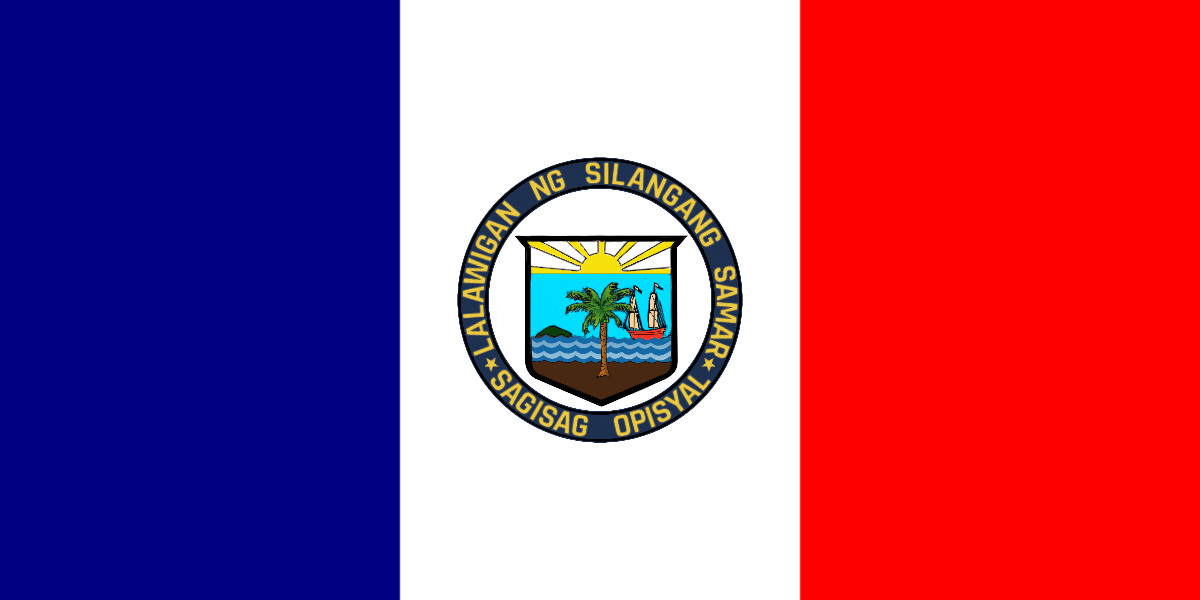


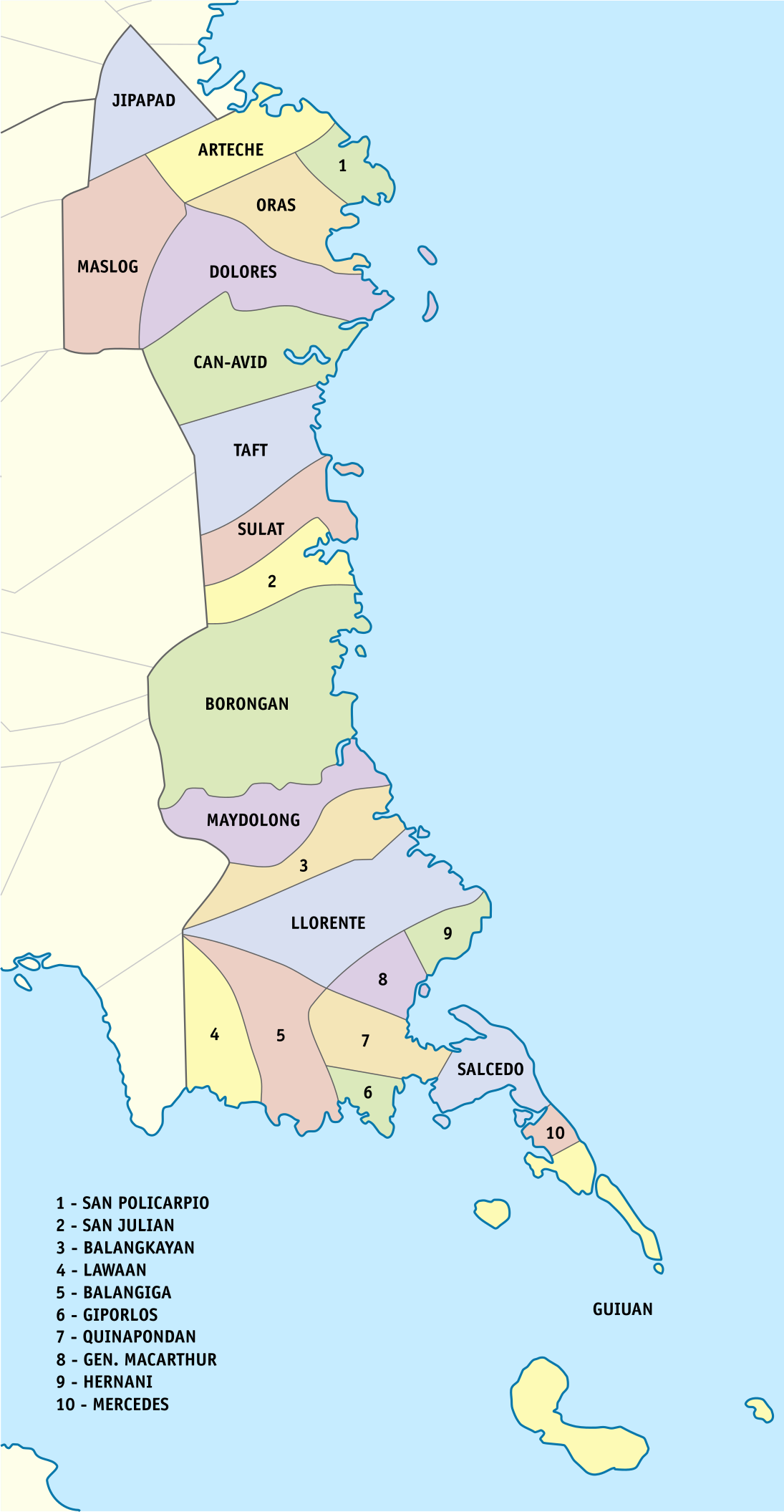


Geography and climate
Eastern Samar faces the Philippine Sea and features a long, often rugged coastline, numerous small islands and interior hills and forests. The climate is tropical and rainy, and the province is frequently traversed by Pacific typhoons. Its coastal waters support fishing communities while inland areas retain patches of lowland and dipterocarp forest.
History and culture
The province has deep historical roots: it includes Guiuan and nearby islands where early European contact occurred, and several towns are associated with significant events in Philippine history. Local communities observe Waray cultural traditions, festivals and handicrafts, and the region has inherited a mix of Spanish-era, American-era and indigenous influences.
Economy and transport
Economic activity is dominated by fisheries, small-scale agriculture (coconut, root crops, abaca) and coastal trade. Transport relies on provincial roads, inter-island boats and regional airports that connect Borongan and other municipalities to larger urban centers. Tourism is growing around beaches, heritage sites and diving areas, though infrastructure varies widely.
Notable facts and administration
- The provincial capital is Borongan, which functions as the main administrative and commercial hub (provincial information).
- Several localities are known for historical incidents and monuments that attract scholars and visitors.
- Because of its seaward exposure, disaster preparedness and coastal resilience are ongoing priorities for government and communities (regional programs).
For general orientation and further reading about the region, see resources on the province and the wider Eastern Visayas area (Waray language and culture, Cebuano context, Eastern Visayas overview).
Related articles
Author
AlegsaOnline.com Eastern Samar (Philippines) Leandro Alegsa
URL: https://en.alegsaonline.com/art/29776