
Earth, Texas
Small city in Lamb County, Texas, on the Llano Estacado. A rural agricultural community with a small population (1,109 in 2000), local schools, and a distinctive name noted in popular references.
Overview
Earth is a small city in Lamb County, in the South Plains region of Texas, United States. It is a rural community on the broad, flat Llano Estacado plateau. According to census data from 2000, about 1,109 people lived in Earth; like many small Texas towns, its population and economy have been shaped by agriculture and local services.
Image gallery
3 Images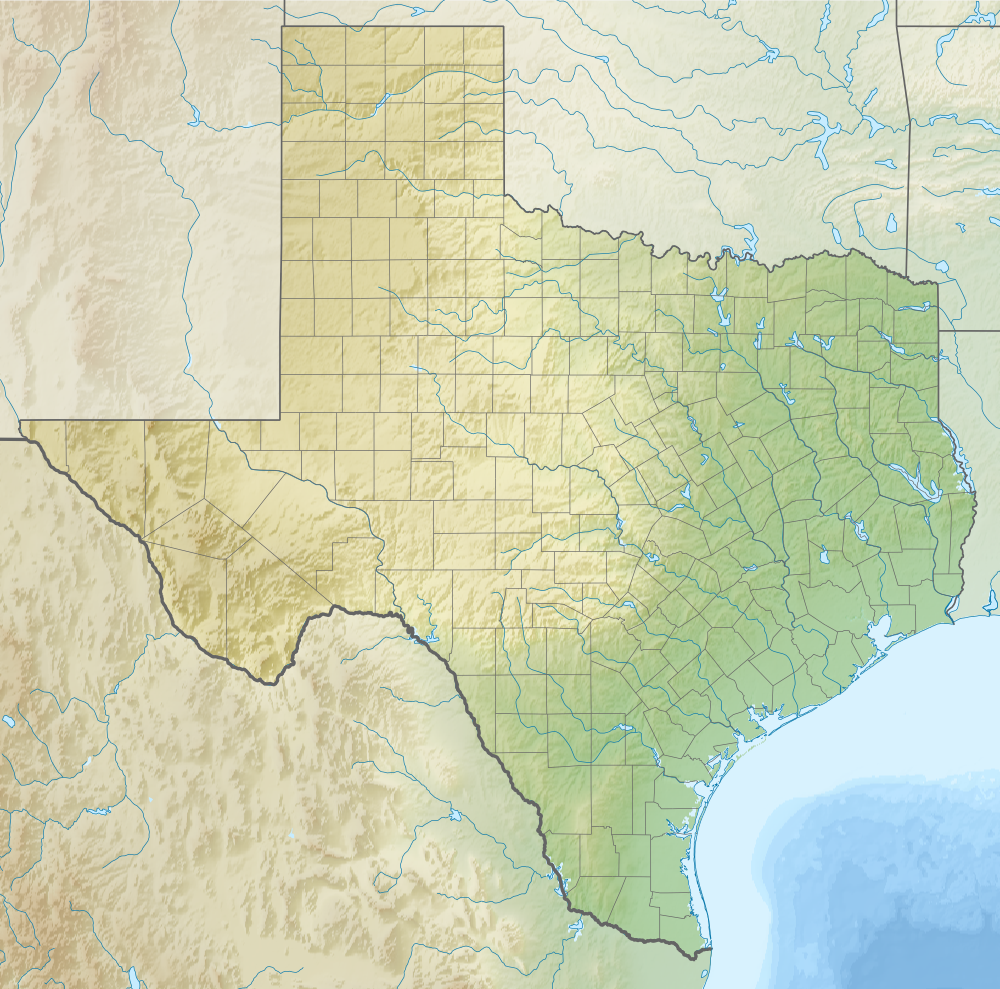
Characteristics
The settlement is characterized by low-density residential areas, farm and ranch land surrounding the town, and facilities that serve local residents such as small stores, churches, and community halls. Housing and commercial structures tend to reflect the practical needs of a farming and ranching community rather than urban architecture.
History and development
Earth developed as part of the broader settlement of the South Plains during the late 19th and early 20th centuries, when railroads and dryland farming opened this area to settlers. Its growth and identity have been closely tied to crop production and cattle ranching, patterns common across Lamb County and adjacent parts of the Llano Estacado.
Geography and climate
Located on the high plains, Earth sits on largely level terrain with soils suitable for dryland agriculture. The climate is semi-arid: summers are typically hot and dry, while winters are cooler with occasional freezes. Water for irrigation and municipal use is an important local concern, as in much of the region.
Economy, education, and community life
Farming and ranching remain central to the local economy, with cotton, grains and livestock prominent in the surrounding countryside. The town supports basic services for residents: schools, small businesses, and community organizations. Local schools and extracurricular activities often serve as focal points for community identity and social life.
Notable facts and distinctions
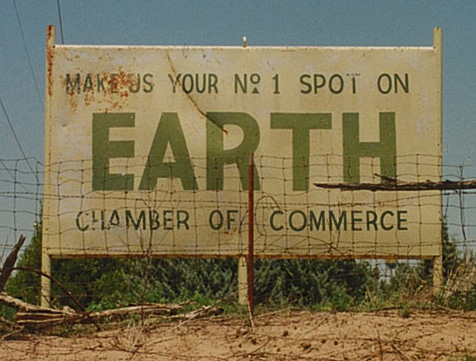
Earth is often remarked upon because of its concise, evocative name, which has made it a curiosity in lists of unusual place names and a light-hearted talking point in media and travel writing. Despite its small size, it exemplifies the many rural towns that form the backbone of agricultural regions in the American Plains.
- County: Lamb County
- State: Texas
- Country: United States
- Population (2000): about 1,109
Related articles
Author
AlegsaOnline.com Earth, Texas Leandro Alegsa
URL: https://en.alegsaonline.com/art/29570
Sources
- factfinder.census.gov : "American FactFinder"
- geonames.usgs.gov : "US Board on Geographic Names"
- commons.wikimedia.org : Earth, Texas