
Duplex — a two‑unit residential building
A duplex is a dwelling that contains two separate housing units. It can be arranged side‑by‑side or stacked, and is used for owner‑occupancy, rentals, or small multi‑family living under varying regional terms and regulations.
A duplex is a residential building that contains two distinct living units under one roof. Each unit is intended for a separate household and normally has its own entrance, kitchen, bathroom(s) and living spaces. In everyday usage a duplex resembles a house rather than an apartment block, but by design it provides two complete homes in a single structure. The term is often used when discussing small multi‑family housing, property investment and zoning alternatives to single‑family homes. For a simple reference to the unit type see apartments and for the occupants the term connects to households.
Image gallery
5 Images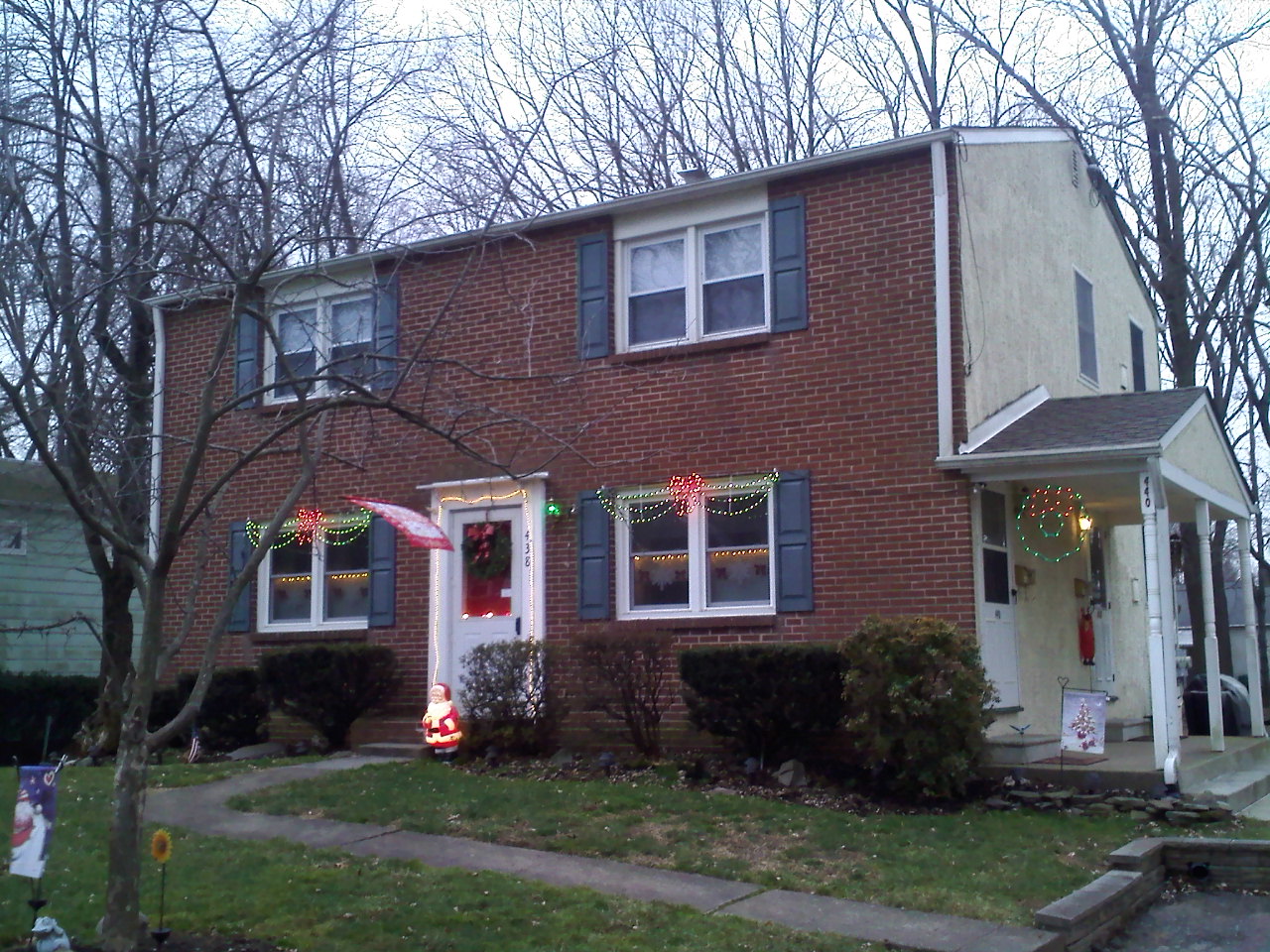


Common layouts and characteristics
There are two principal configurations of duplexes. One is the side‑by‑side arrangement (also called a twin or semi‑detached), where the two units sit adjacent and share a common wall. The other is the stacked arrangement, where one unit occupies the ground floor and the second unit is above it, separated by a floor/ceiling assembly. Typical characteristics include separate entrances, often separate utility meters, and some shared elements such as the roof, exterior walls, driveway or yard. Some duplex buildings include below‑grade spaces; others are built slab‑on‑grade without basements — local practice determines whether basements are common.
Design details and building considerations
Design of a duplex balances privacy and efficiency. Fire separation, sound insulation and independent mechanical systems are important safety and comfort considerations. Floor plans may mirror each other or be different sizes. Exterior treatments often maintain the appearance of a single house to fit neighborhood scale; however, entrances are clearly separated to preserve the sense of distinct homes. Shared maintenance responsibilities and property lines vary: sometimes the duplex is held as one lot, sometimes each unit has a separate legal parcel.
Uses, advantages and typical owners
Duplexes are used for owner‑occupiers who want rental income, for landlords managing two units, or for extended families seeking nearby but private living. They allow higher density than single‑family homes while remaining compatible with residential streets. Advantages include lower per‑unit construction costs than detached houses, potential rental revenue for owner occupants, and flexibility for future conversion. They are also employed in urban infill and small‑scale housing strategies to increase supply without large apartment blocks.
Regional names, legal distinctions and history
The meaning of "duplex" varies by region. In some areas it specifically denotes stacked units, while in others it means side‑by‑side units; in many markets both forms are called duplexes. In certain cities the word is uncommon and other terms prevail: examples include neighborhoods where people prefer local terms rather than "duplex" in places such as Detroit, Dallas or Chicago. Historically the word "duplex" comes from Latin roots meaning "double," and it entered architectural and real estate usage to describe twofold arrangements. For comparisons with related forms, see discussions of other houses and small multi‑unit types.
Notable legal and practical distinctions
- Ownership: Duplexes may be owned by a single owner or split into two titles depending on local law.
- Zoning: Many municipalities treat duplexes differently from single‑family homes or larger multi‑unit buildings for density and setback rules.
- Conversion and renovation: Duplexes are often converted into single large homes or modernized to create separate utility services and entrances.
In summary, a duplex is a versatile housing form that combines the scale and appearance of a house with the capacity of two distinct living units. Its precise definition and regulation depend on local practice and law, but its function as a two‑unit residential building is consistent across most regions.
Related articles
Author
AlegsaOnline.com Duplex — a two‑unit residential building Leandro Alegsa
URL: https://en.alegsaonline.com/art/29275