
Dzong — Himalayan fortress‑monastery
A dzong is a fortified Buddhist monastic complex found mainly in Bhutan and Tibetan cultural regions, combining religious, administrative and defensive roles with distinctive massive walls, courtyards and temples.
Overview
A dzong is a large fortified complex that serves as both a monastic center and an administrative hub in Himalayan Buddhist cultures. The term derives from Tibetan and is often translated as "fortress"; dzongs combine sacred spaces for Buddhist worship with secular offices and sometimes defensive features. They are most closely associated with Bhutan but also appear across Tibetan‑influenced areas of the Himalaya.
Image gallery
10 Images


Architecture and layout
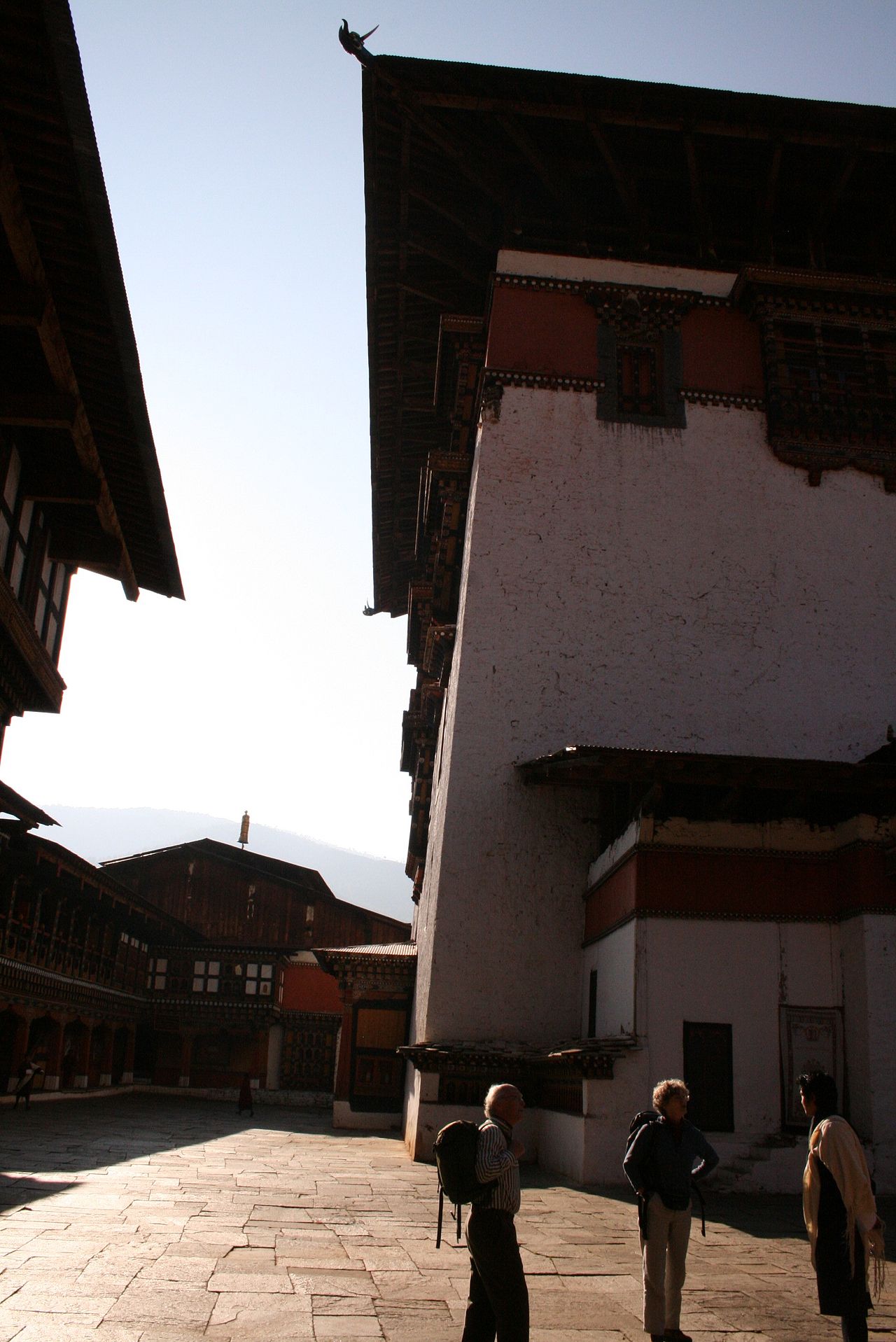
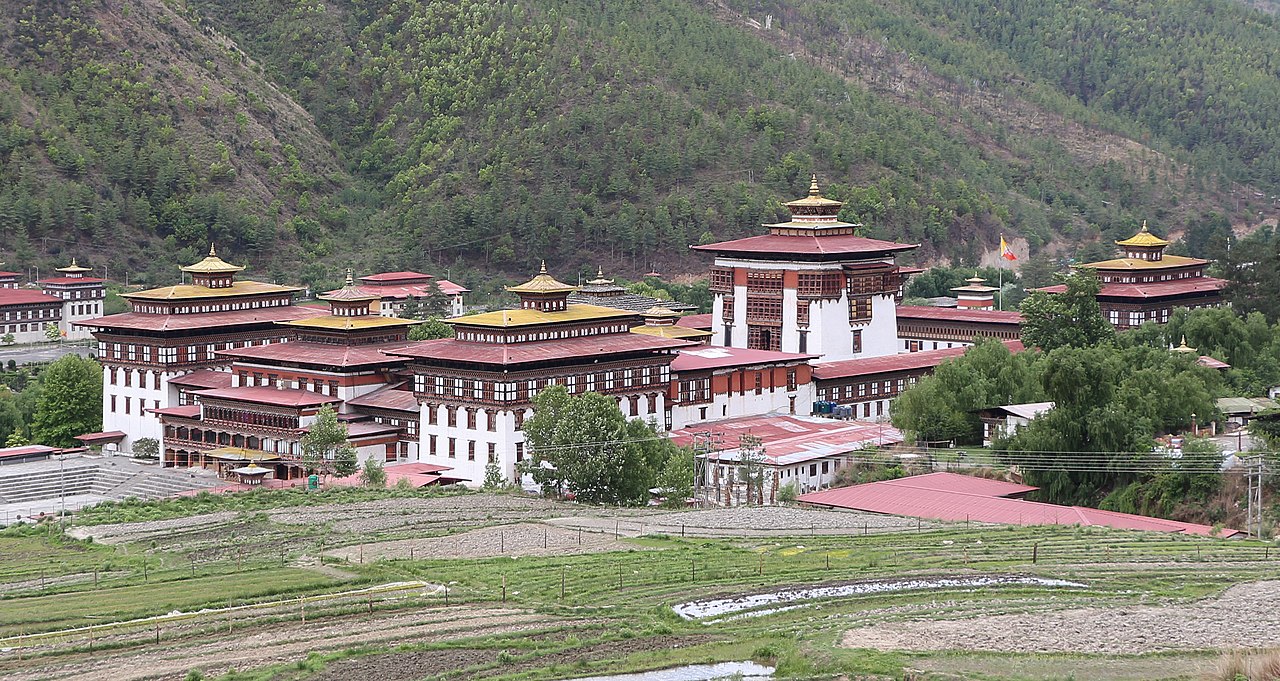
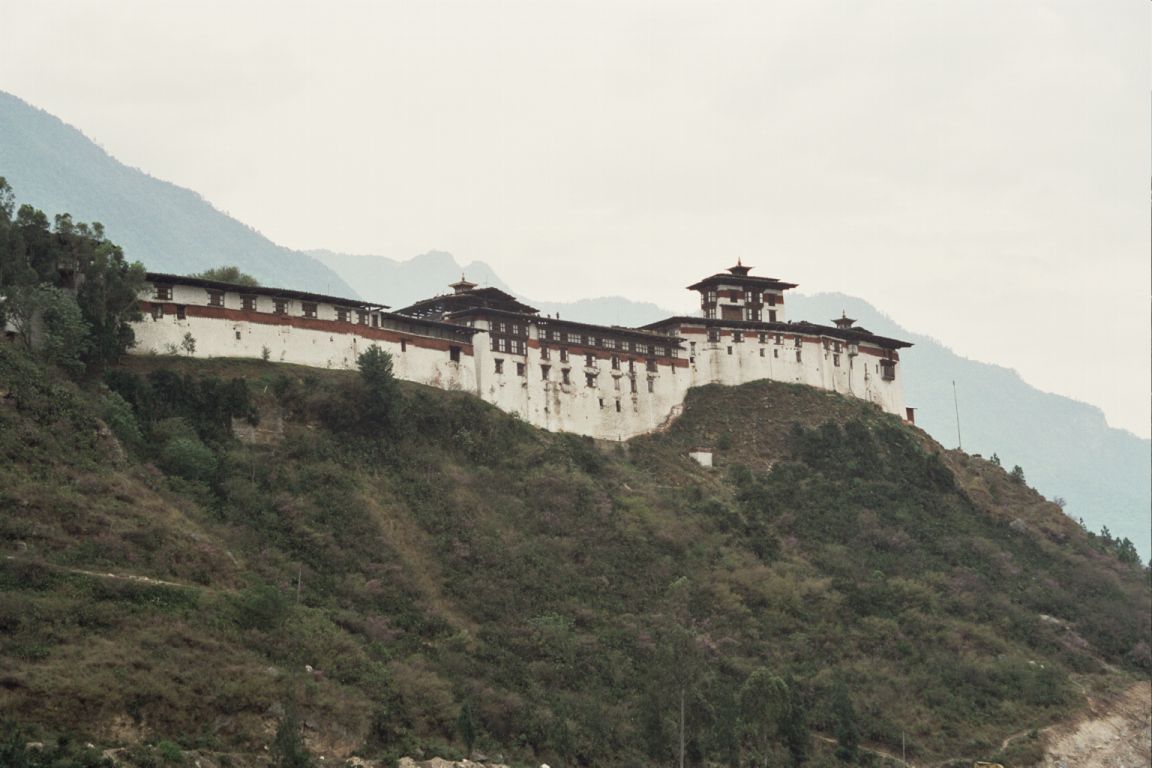
Typical dzongs present imposing, often whitewashed exterior walls with few windows at lower levels, rising several stories above wide courtyards. Interior components generally include a main assembly temple (lhakhang), monks' living quarters, storage rooms, administrative chambers and shrine rooms for relics and statues. Construction uses massive masonry, rammed earth or stone, and heavy timber for roofs and decorative balconies; interiors are richly painted with murals and carved woodwork.
History and development
Dzongs developed in the medieval period as regional power centers where spiritual leaders and secular rulers met. In Bhutan, many surviving dzongs trace their consolidation into a national system to the 17th century when a unifying leader promoted their construction as both administrative seats and protective refuges. Over time the form evolved to emphasize community, ritual performance and symbolically charged architecture rather than only military uses.
Functions and cultural role
Functionally a dzong houses monastic institutions and civil governance. Monks live and study there, the district administration often works from its offices, and major religious events are staged in its courtyards. Annual festivals (tshechus) featuring masked dances, public rites and social gatherings take place at many dzongs, reinforcing regional identity and transmitting religious narratives to the laity. Pilgrimage, education and archival storage of legal and religious documents are common uses.
Notable examples and distinctions
Well‑known dzongs include Punakha Dzong and Tashichho Dzong in Bhutan and several historic complexes in Tibetan areas. While a dzong functions like a monastery, it differs from a simple gompa or temple by combining formal government roles and fortified architecture. For information on daily ritual practices and preparations for public prayer and festivals, scholarly and local sources provide practical descriptions and schedules.
Conservation and contemporary relevance
Many dzongs remain in active use and are cared for by local communities and governments. They face challenges from earthquakes, fires and the need for sensitive restoration using traditional materials and techniques. As living centers of religion, administration and tourism, dzongs continue to shape cultural identity and public life across the Himalayan Buddhist world.
- Key features: fortified walls, central courtyards, assembly temple (lhakhang)
- Primary regions: Bhutan and Tibetan cultural areas
- Combined roles: monastic, administrative, ceremonial
Related articles
Author
AlegsaOnline.com Dzong — Himalayan fortress‑monastery Leandro Alegsa
URL: https://en.alegsaonline.com/art/29455