
Edo Castle (Edo-jō): history, structure, and legacy
Edo Castle, founded by Ōta Dōkan in the 15th century and expanded by Tokugawa Ieyasu, was the political center of feudal Japan; its moats, walls and gates remain at the heart of the Tokyo Imperial Palace.
Overview
The fortified complex known as Edo Castle (Edo-jō) originated in the mid-15th century as a flatland fortification. Traditionally its foundation is dated to 1457 when the samurai Ōta Dōkan established a fortified residence on the Musashino plain. Over centuries the site grew into the administrative and military center of the Tokugawa shogunate and today forms the core of the Tokyo Imperial Palace.
Image gallery
10 Images




Structure and surviving features
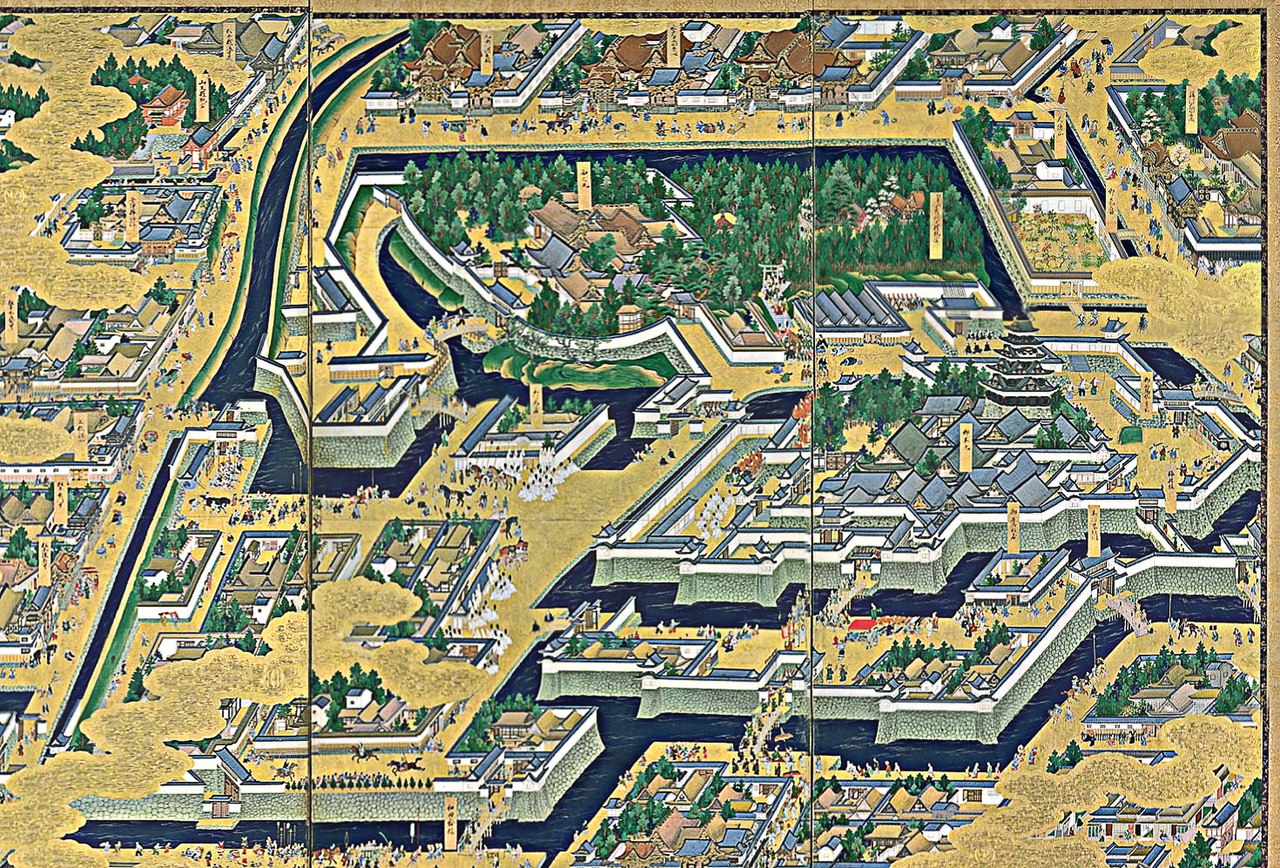
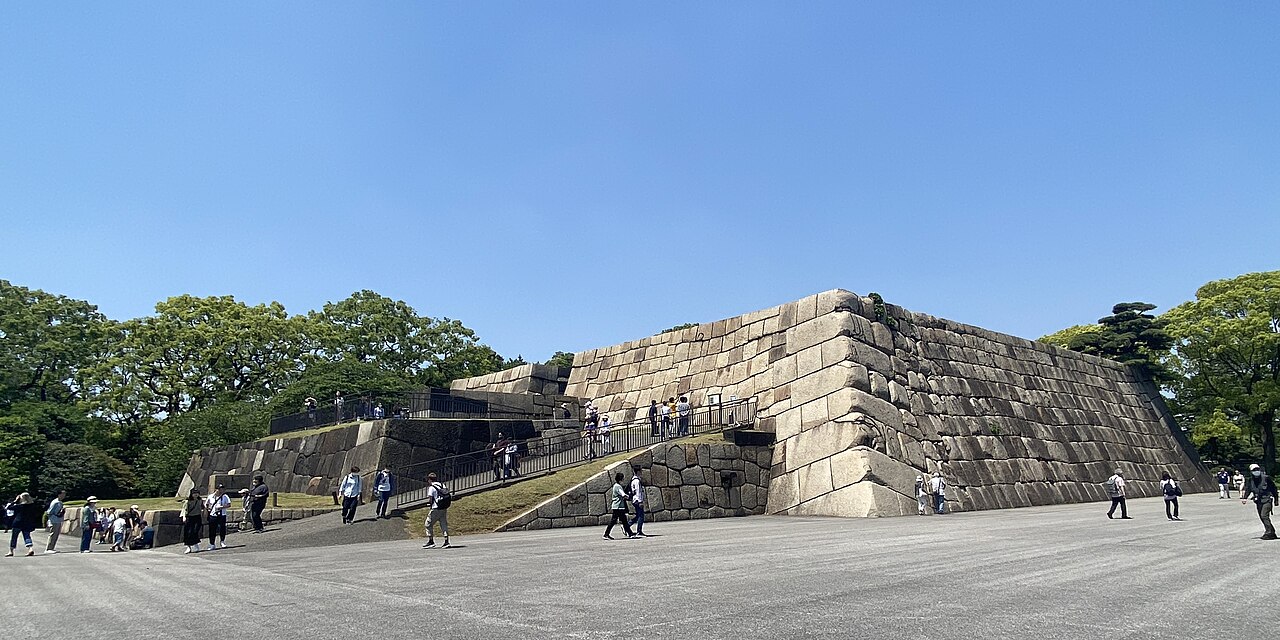
As a hirajiro (flatland castle) Edo relied on layered moats, extensive stone walls and earthen ramparts rather than high mountain positions. Its layout included multiple concentric baileys, gates, and a main keep that was rebuilt and removed at various times. Many original wooden buildings were lost repeatedly to fire and later demolished, but large stone foundations, well-preserved moats and several gates and bridges survive as physical reminders of the castle's scale.
History and development
After its initial construction by Ōta Dōkan, the site changed hands and was rebuilt repeatedly. In the early 17th century Tokugawa Ieyasu consolidated power and substantially expanded and renovated the castle complex to serve as the shogunal seat. The castle endured numerous fires — including catastrophic blazes in the Edo period — which erased much of the wooden architecture. With the end of the shogunate in the late 19th century, the grounds were repurposed for the Imperial household.
Present use and cultural importance
Today the castle precincts lie within Chiyoda ward of central Tokyo and form a restricted but partly accessible ensemble. The imperial palace, official gardens and public East Gardens occupy former castle compounds while moats and gates remain visible urban landmarks. The site is significant for archaeology, heritage studies and public memory as a symbol of the transition from feudal rule to modern Japan.
Notable features
- Extensive moats and layered fortifications characteristic of flatland castles.
- Surviving gates, stone foundations and reconstructed bridges such as the iconic pair near the main entrance.
- Connection to Ōta Dōkan and later Tokugawa administration, marking its central political role.
For visitors the site offers a mix of historical ruins, landscaped gardens and official buildings. The castle's footprint and remaining structures are interpreted through preserved masonry, signboards and guided access by the Imperial Household Agency and local authorities in Chiyoda, Tokyo. Further information and illustrations can be found through historical compilations and institutional resources such as the entry on Edo Castle.
Related articles
Author
AlegsaOnline.com Edo Castle (Edo-jō): history, structure, and legacy Leandro Alegsa
URL: https://en.alegsaonline.com/art/30198