
Dallas: overview, neighborhoods, economy, culture and history
Comprehensive introduction to Dallas, Texas: geography, neighborhoods, economy, cultural life, history including the JFK assassination, transportation, and notable landmarks and institutions.
Overview
Dallas is a major city in the northern region of the U.S. state of Texas. It forms the eastern half of a large urban area known as the Dallas–Fort Worth Metroplex and is one of the principal economic and cultural centers of that multi-city region. Dallas combines a prominent downtown skyline with sprawling residential neighborhoods and suburban nodes.
Image gallery
10 Images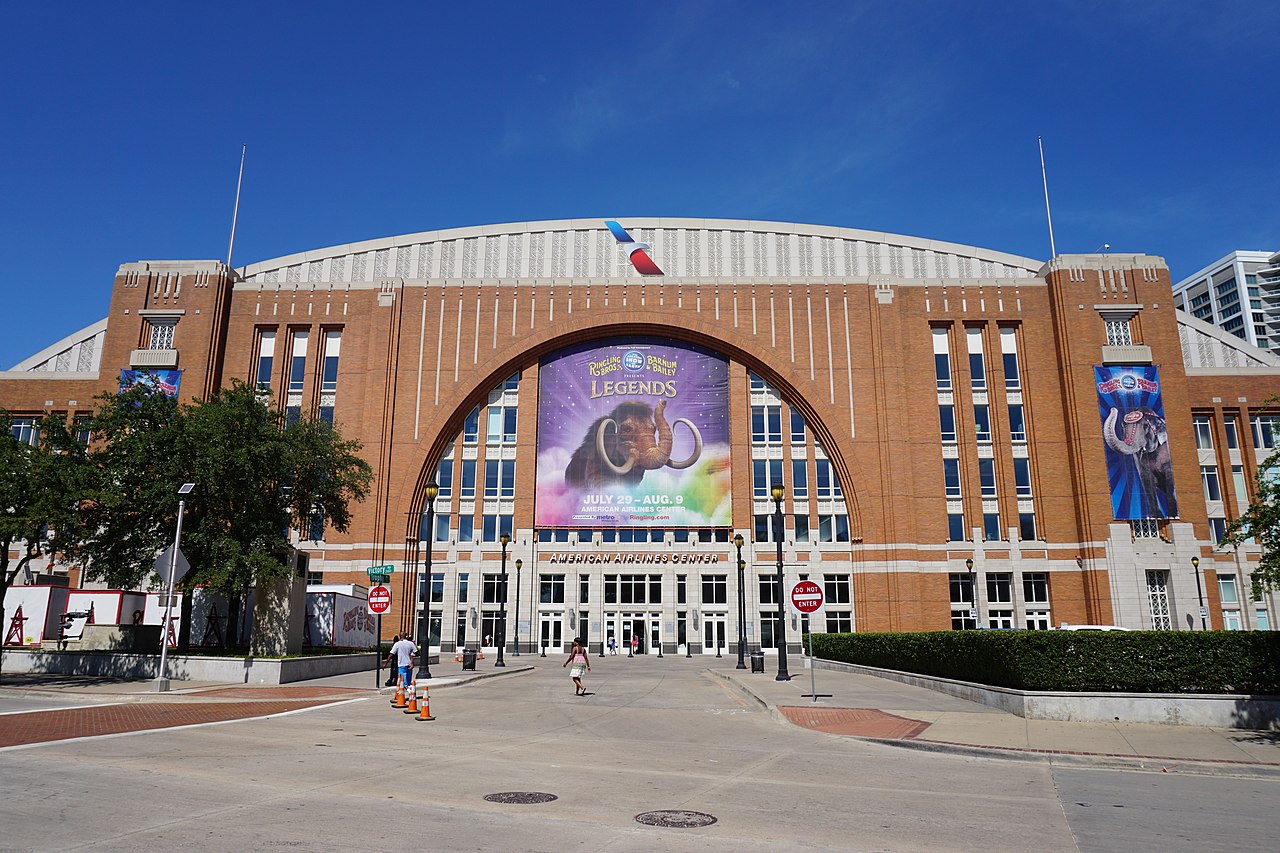
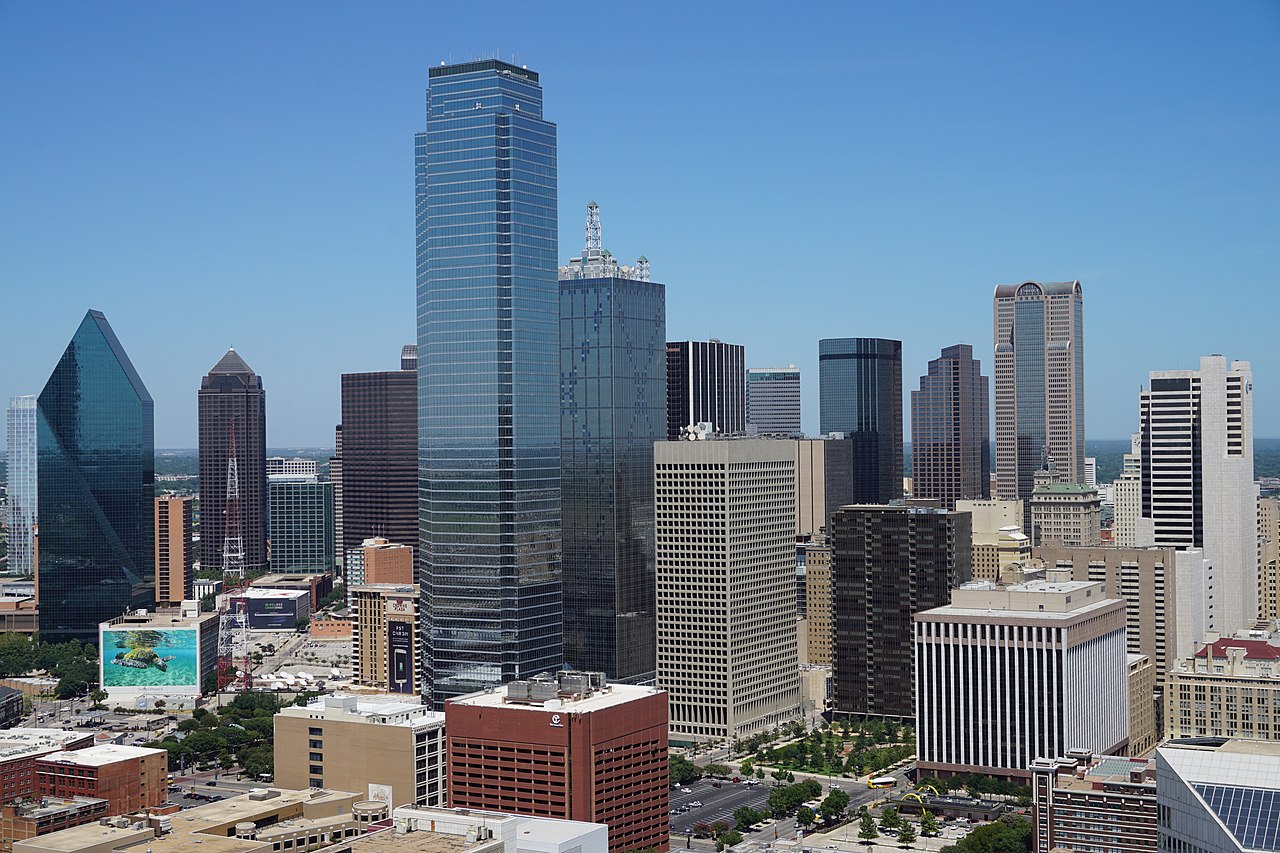


Geography and neighborhoods
The city occupies a plain crossed by the Trinity River and includes a mix of commercial districts, older inner-city neighborhoods and newer, planned communities. Distinct areas and neighboring cities inside the Metroplex include Arlington, Denton, Fort Worth, and Plano. Within Dallas itself, districts such as Deep Ellum, Uptown, the Arts District and Oak Cliff offer contrasting characters: nightlife and music, modern downtown living, museums and performing arts, and historically rooted residential blocks.
Economy and institutions
Dallas is known for a diversified economy that includes finance, technology, telecommunications, energy, manufacturing and logistics. The city hosts corporate headquarters, regional offices and a large business services sector. Cultural institutions include major art museums, a prominent performing-arts center and a recognized arts district. Sports teams, university campuses and health-care systems also contribute to civic life and employment.
History and notable events
The settlement that became Dallas grew in the 19th century as a trading and transportation center. Railroads, commerce and later oil and industry shaped its expansion. The city is widely associated with the assassination of President John F. Kennedy in 1963; Dealey Plaza and the Sixth Floor Museum document that event and its continuing historical significance. Over decades, Dallas has evolved from an industrial hub into a diversified metropolitan center.
Transportation and urban development
Dallas is served by highways, commuter rail and one of the region's major airports, making it an important transportation node. Public and private development patterns include high-rise downtown projects as well as broad suburban growth. Regional cooperation among neighboring cities within the Metroplex influences planning for transit, economic development and environmental management.
Culture, attractions and distinctions
Visitors and residents value Dallas for its museums, theaters, music venues and sports franchises. Key cultural venues, parks and historic districts attract local and regional audiences. Although the city's national image was long tied to a single tragic event, contemporary Dallas is recognized for its business dynamism, cultural institutions and role as a central city within the larger United States metropolitan network.
Quick reference
- Region: Northern Texas, part of the Dallas–Fort Worth Metroplex.
- Features: Diverse economy, extensive arts and cultural institutions, varied neighborhoods.
- Notable sites: Dealey Plaza, arts district museums, sports arenas and historic neighborhoods.
Related articles
Author
AlegsaOnline.com Dallas: overview, neighborhoods, economy, culture and history Leandro Alegsa
URL: https://en.alegsaonline.com/art/25222
Sources
- utdallas.edu : utdallas.edu
- dallashistory.org : dallashistory.org