
Elks Temple (Boise, Idaho)
Historic 1914 Elks Temple in Boise, built in Italian Palazzo style for the Benevolent and Protective Order of Elks; recognized on the National Register of Historic Places in 1978.
Overview
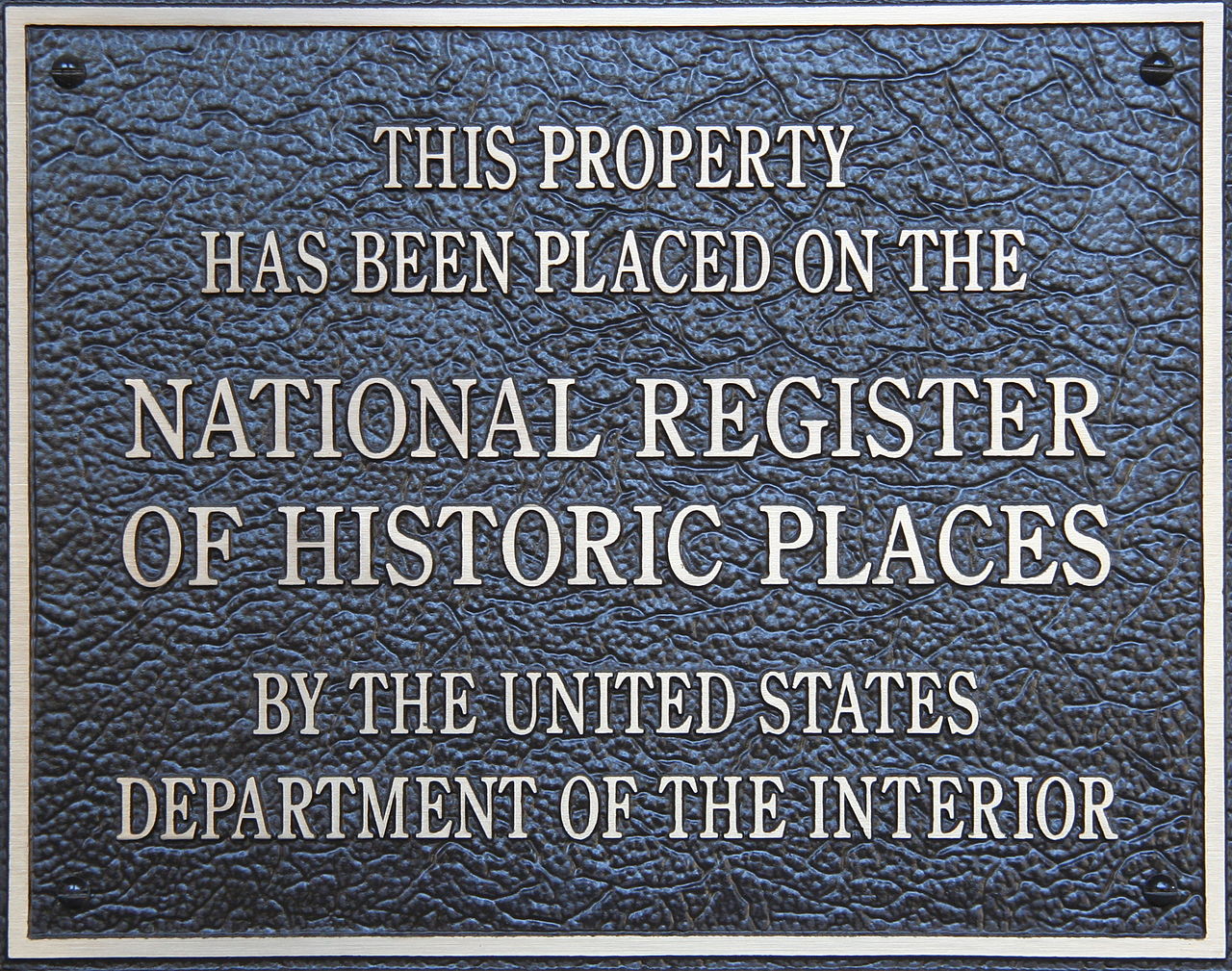
The Elks Temple in Boise, Idaho, is a purpose-built fraternal clubhouse completed in 1914. Erected for the Benevolent and Protective Order of Elks, the building exemplifies early 20th-century civic and social architecture. It has long served as a center for lodge meetings, charitable activities and community gatherings and was recorded on the National Register of Historic Places in 1978.
Image gallery
2 Images
Architectural character
Executed in a version of the Italian Palazzo style, the Temple displays characteristics associated with that mode: a strong, horizontally organized façade, rusticated or visibly textured lower stories, regularly spaced windows and an emphatic cornice or roofline. Buildings of this type typically use masonry construction and classical detailing to convey dignity and permanence, qualities valued by fraternal organizations of the period.
Function and interior spaces
As with many Elks lodges, the Boise Temple was designed to support a mixture of functions: ceremonial lodge rooms, dining and banquet halls, offices and social spaces for members and guests. These rooms facilitated ritual meetings, public events, fundraising dinners and community programs that were central to the organization's philanthropic mission.
History and significance
Built during a wave of civic construction in the early 1900s, the Temple reflects the social importance of fraternal orders in American urban life. Its presence contributes to Boise's historical streetscape and illustrates how local chapters invested in substantial, architecturally expressive buildings. The structure's historical and architectural values led to its formal recognition on the National Register of Historic Places in 1978.
Preservation and contemporary use
Listing on the National Register highlights both heritage value and potential eligibility for preservation incentives. Over time such buildings may continue to serve their original fraternal purpose, be adapted for commercial or cultural uses, or be preserved primarily as historic landmarks. The Elks Temple remains an important example of how civic architecture embodied community identity in the early 20th century; further information about the property and its history can be found through local historic resources and repositories such as the entry linked here: Elks Temple resource.
Notable distinctions
- Representative of Italian Palazzo-inspired design applied to a fraternal clubhouse.
- Served as a social and charitable hub for Elks activities in Boise.
- Recognized at the national level for its historic significance in 1978.
Related articles
Author
AlegsaOnline.com Elks Temple (Boise, Idaho) Leandro Alegsa
URL: https://en.alegsaonline.com/art/30921
Sources
- nrhp.focus.nps.gov : "National Register Information System"