
Dumbarton — town on the River Clyde in West Dunbartonshire
Dumbarton is a Scottish riverside town notable for Dumbarton Rock and Castle, its early role as the capital of Alt Clut, later industrial growth in shipbuilding, glass and whisky, and its links to nearby Glasgow.
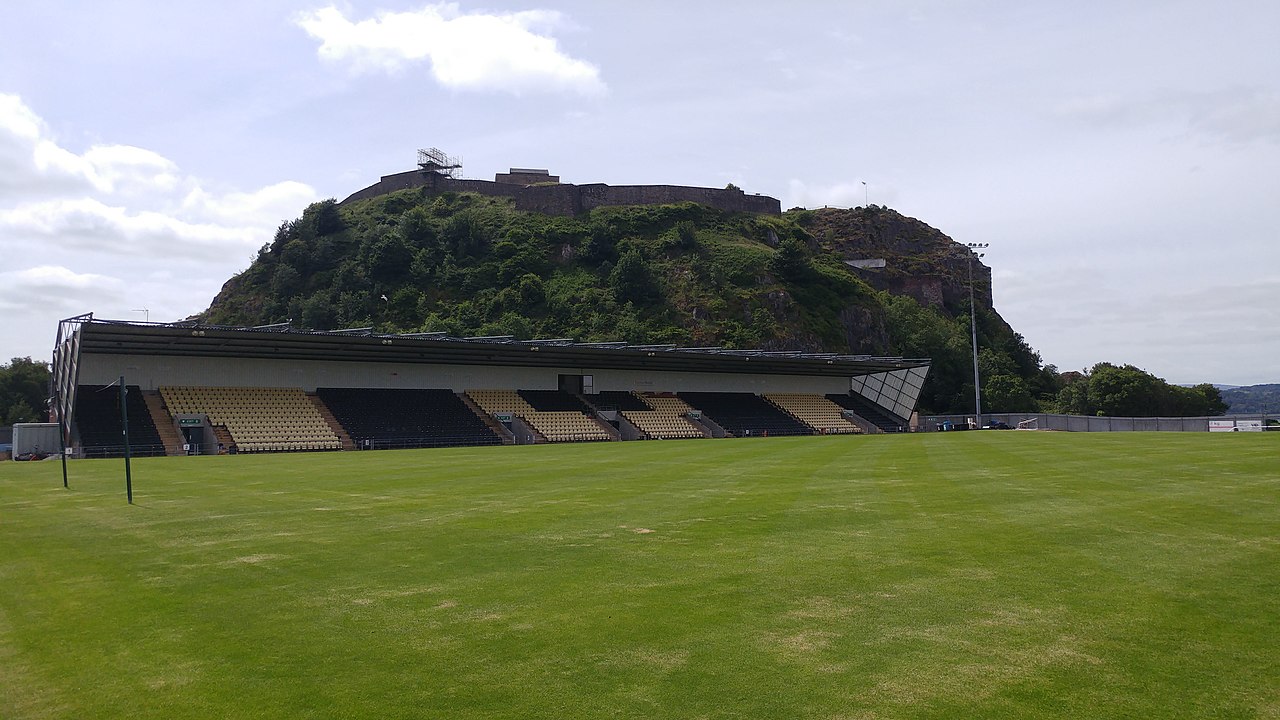
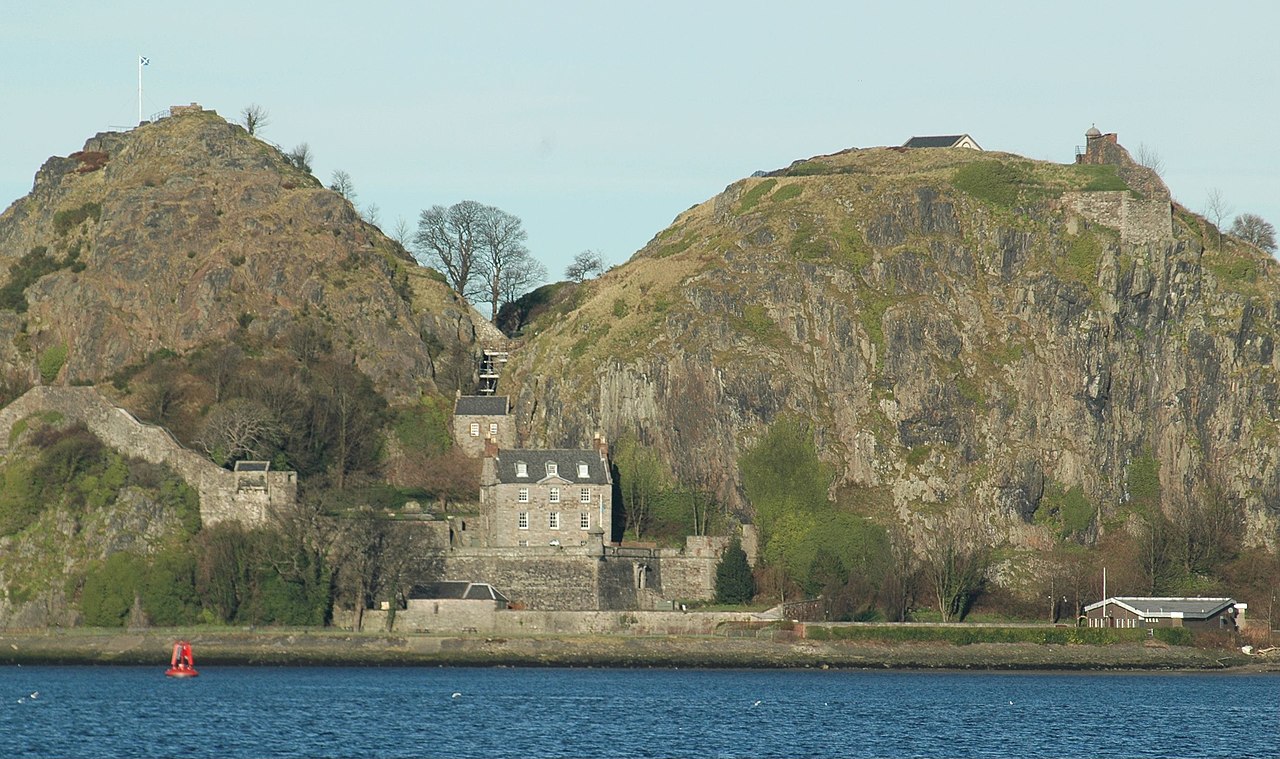
Dumbarton (Gaelic: Dùn Breatainn, meaning "fort of the Britons") is a town in West Dunbartonshire, Scotland, set where the River Leven enters the estuary of the River Clyde. Its striking landmark, Dumbarton Rock, is a volcanic plug that rises from the riverbank and has been fortified since the early medieval period. The rock and the fortress that crowns it have defined the town's identity for centuries and remain its most visible historic feature. For current administrative and visitor information see Dumbarton town resources.
Image gallery
10 Images



Geography and setting
The town occupies a strategic position on the north bank of the Clyde, close to where the freshwater River Leven flows into the tidal estuary. This location provided natural defence and access to maritime routes, and it later supported shipbuilding and trade. Dumbarton lies within commuting distance of Glasgow, approximately 13 miles (21 km) to the south-east by road, and is connected by road and rail to neighbouring towns and the wider West of Scotland transport network; for regional river and harbour details see River Clyde and River Leven.
History and heritage
Dumbarton was the principal stronghold of the early medieval kingdom often called Alt Clut or Alclud, a British polity centred on the castle rock. The site was a focal point of Scottish, Norse and Anglo-Norman contests in the Middle Ages. In later centuries Dumbarton became the county town of Dunbartonshire and was granted royal burgh status in the medieval era; its civic role continued into the modern period. The castle's long military and administrative history is summarised in many local guides and histories — see also county and burgh records.
Industry, economy and change
From the 18th to the 20th century Dumbarton developed as an industrial centre. Its riverside position supported shipbuilding yards and repair facilities, while onshore works produced glassware and spirits. Shipbuilding and glassmaking in particular became synonymous with the town's economy, and whisky production also had a local presence. As these heavy industries contracted in the later 20th century, Dumbarton adjusted toward mixed light industry, services and a growing role as a commuter town for Glasgow. Historical and industrial context can be explored through sources on shipbuilding and whisky and distilling.
Culture, sport and community
Dumbarton maintains a range of community institutions, cultural venues and sporting clubs. The town supports amateur and semi-professional football and rugby teams; its best-known football club carries the town's name and has long-standing local support and history — see Dumbarton F.C.. Local museums and events celebrate maritime, industrial and natural heritage, and the castle remains a major tourist attraction.
Transport and contemporary life
Today Dumbarton is connected by rail and road to Glasgow and neighbouring towns, making it a practical residence for commuters and a base for light industry and retail. The town's riverside setting continues to shape leisure and conservation activity on the Clyde and Leven estuary, while redevelopment and heritage projects seek to balance economic needs with preservation. For travel connections and regional links consult Glasgow and regional transport and local civic portals such as town information or borough resources archival material.
- Notable landmark: Dumbarton Rock and Castle
- Historic role: centre of the kingdom of Alt Clut (Alclud)
- Former industries: shipbuilding, glassmaking, whisky production
- Contemporary character: commuter town, heritage tourism, light industry
For further reading and local guides, consult regional heritage pages and transport links provided above, and specialist studies of Scotland's medieval kingdoms and industrial history.
Personalities
- William Strang (1859-1921), painter and graphic artist
- John Madden (1865-1948), football player and coach
- George Harcourt (1868-1947), painter
- Dickie Boyle (1869-unknown), footballer.
- Alex Rollo (1926-2004), football player and coach
- Jackie Stewart (* 1939), automobile racing driver
- David Byrne (* 1952), musician and frontman of Talking Heads
Related articles
Author
AlegsaOnline.com Dumbarton — town on the River Clyde in West Dunbartonshire Leandro Alegsa
URL: https://en.alegsaonline.com/art/29191
Sources
- scottish.parliament.uk : "Scottish Parliament: Placenames collected by Iain Mac an Tailleir"
- visionofbritain.org.uk : "Vision of Britain"