
Dungeness Nuclear Power Station
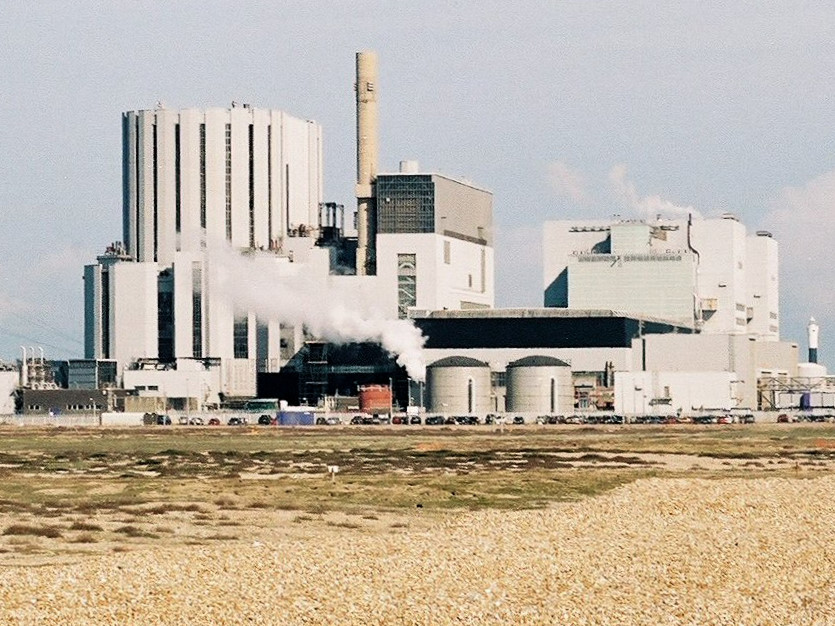
Coastal nuclear complex at Dungeness, Kent, comprising an earlier Magnox plant (A) and a later AGR plant (B). Built in the 1960s–1980s, it played a significant role in Britain’s civil nuclear programme.
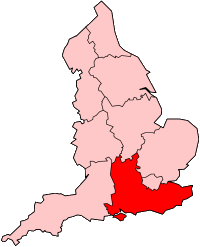
The Dungeness Nuclear Power Station is a coastal energy site on the shingle headland of Dungeness in Kent, England. The complex consists of two adjacent generation facilities commonly referred to as Dungeness A and Dungeness B. Together they illustrate two distinct phases of British reactor design: the first-generation Magnox technology and the second-generation advanced gas-cooled reactor (AGR) concept.
Image gallery
5 Images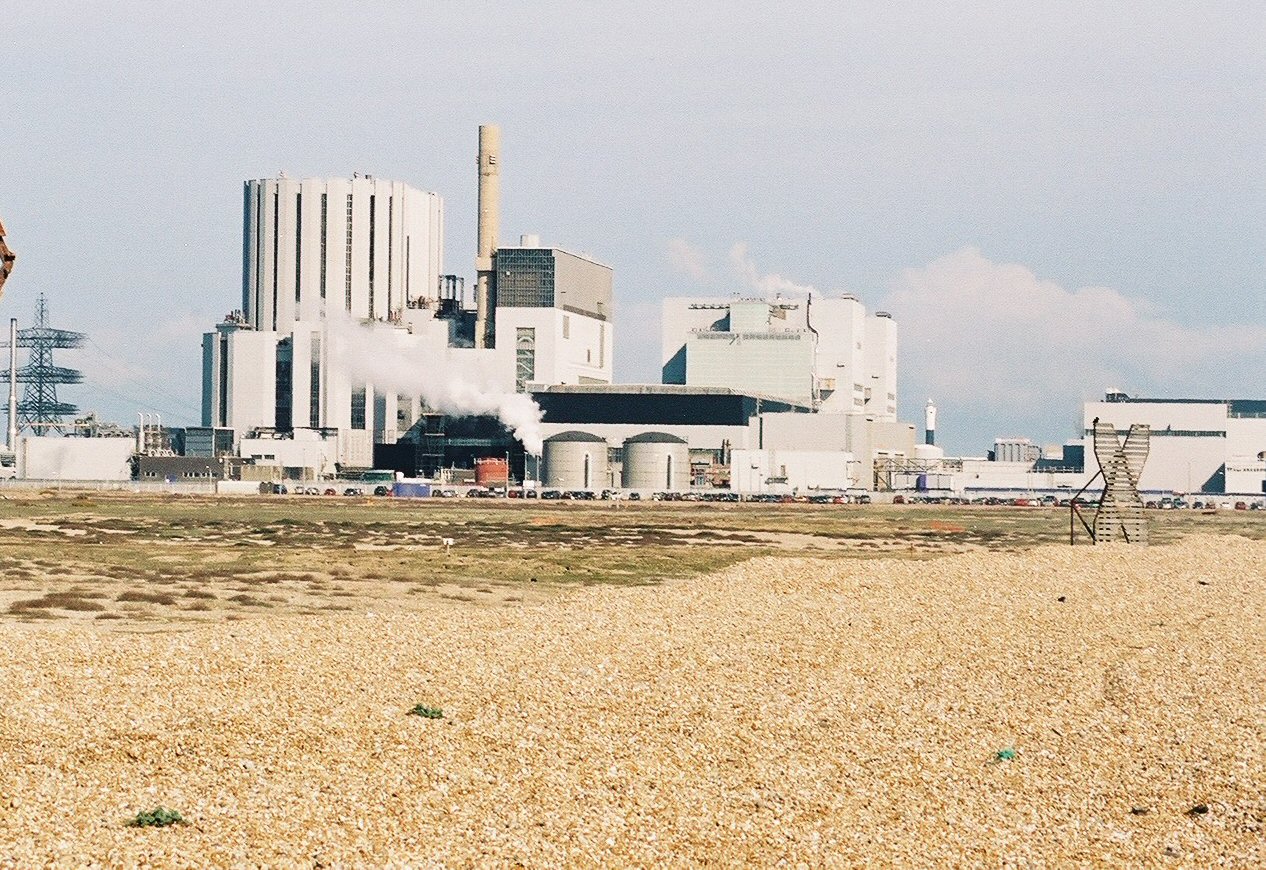


Key characteristics
- Dungeness A: a Magnox reactor station first brought into service in the mid-1960s. Magnox designs used natural uranium metal fuel, a graphite moderator and carbon dioxide coolant, and fuel cladding made from a magnesium–aluminium alloy.
- Dungeness B: an AGR station containing two reactors of about 615 MW each. AGRs use enriched uranium dioxide fuel, a graphite moderator and carbon dioxide coolant and were developed to achieve higher thermal efficiency than Magnox plants.
- Location and cooling: both stations occupy a low-lying coastal site and have historically drawn on nearby seawater for heat rejection and auxiliary services.
History and development
Construction and commissioning of the two sites took place in separate eras. Dungeness A was part of the UK’s early civil nuclear programme and entered service in 1965. It has since completed its operational life and moved into the long process of defueling and decommissioning. Dungeness B was built later, with its two reactors coming online in the 1980s; it represented an early commercial-scale implementation of the AGR concept in Britain.
Role and significance
As electricity-generating installations, the two stations supplied homes and industry in the region and contributed to the national grid. Dungeness is often cited in discussions of Britain’s transition from first-generation Magnox plants to more advanced gas-cooled designs. The site has also been a focal point for engineering challenges typical of coastal nuclear stations, including corrosion management and life‑extension decisions.
Distinctions and notable facts
- Dungeness B is notable for being among the early commercial-scale AGR plants built in the UK and for its two roughly 615 MW reactors.
- Dungeness A illustrates the Magnox era of British nuclear power and is now subject to long-term decommissioning processes that are typical for reactors of its generation.
- The location lies within a distinctive coastal landscape; operational planning and environmental management at the site have had to consider local ecology and coastal processes.
For further information about reactor types and the site’s technical background, see general references on nuclear reactor technology, the Magnox programme and AGR development. Local context and geography are described in sources about Dungeness and Kent coastal management. Technical and regulatory details are available from energy and safety authorities referenced at relevant agencies and industry summaries at energy sector resources.
Questions and answers
Q: How many nuclear power stations are located in Dungeness, Kent?
A: Two.
Q: What is the name of the old Magnox power station in Dungeness?
A: Dungeness A.
Q: When did Dungeness A begin to operate?
A: It began to operate in 1965.
Q: Is Dungeness A still in use?
A: No, it has reached the end of its life and is no longer in use.
Q: What type of reactor does Dungeness B have?
A: Dungeness B has an advanced gas-cooled reactor (AGR).
Q: When did Dungeness B begin to operate?
A: Dungeness B began to operate between 1983 and 1985.
Q: What is significant about Dungeness B?
A: Dungeness B was the first commercial scale AGR power station to be built.
Related articles
Author
AlegsaOnline.com Dungeness Nuclear Power Station Leandro Alegsa
URL: https://en.alegsaonline.com/art/29242