
River Clyde: Scotland's principal west coast river and maritime corridor
The River Clyde in Scotland flows through Glasgow to the Firth of Clyde. Known in Gaelic as Abhainn Chluaidh, it shaped industry, shipbuilding, transport and urban life and remains important for ecology and recreation.
The River Clyde, known in Scottish Gaelic as Abhainn Chluaidh, is a major river in Scotland that courses westward and reaches the sea at the Firth of Clyde. It passes through the city of Glasgow, giving the city its historic waterfront and serving as a focal point for settlement, transport and industry for many centuries.
Image gallery
10 Images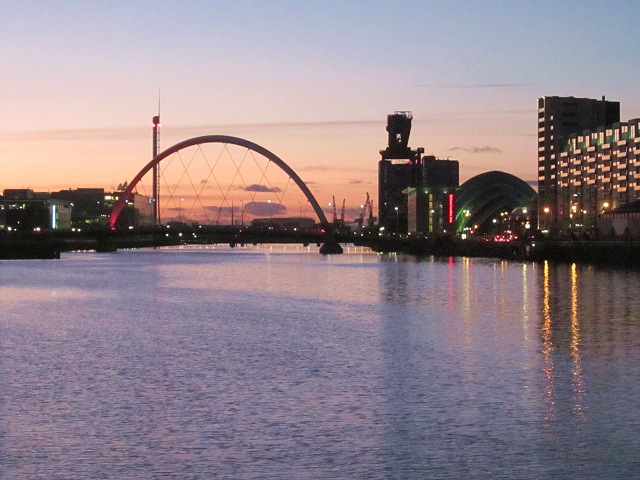






Course and physical characteristics
The Clyde rises in upland areas and flows through a combination of narrow valley, broad floodplain and tidal estuary before widening into the firth. Its lower reaches are tidal and were progressively deepened and straightened to improve navigation. Several tributaries join the river along its course, and the estuary forms a wide marine inlet opening onto the sea.
History and development
The river has been central to the region's history. Its sheltered estuary encouraged ports and harbours, and from the 18th to the 20th century the Clyde became synonymous with shipbuilding, engineering and maritime trade. Shipyards along the banks launched many notable vessels, and dock facilities drove urban growth in Glasgow and nearby towns. Industrial decline in the late 20th century brought changes, followed by regeneration projects focused on housing, business and cultural uses.
Uses and importance
- Navigation and shipping: the lower Clyde has long served as a commercial waterway and remains active for freight and maintenance of offshore facilities.
- Industry and commerce: historical shipbuilding shaped local economies and identity.
- Recreation: boating, fishing, walking routes and riverside parks attract residents and visitors.
- Ecology: estuarine and riparian habitats support diverse birdlife, fish and plant communities, prompting conservation efforts.
Regeneration efforts have balanced heritage with modern needs: former docklands have been converted to residential and cultural uses while some shipbuilding and marine engineering activities continue. Flood management, water quality improvement and habitat restoration are ongoing priorities for local authorities and environmental groups.
Notable features of the Clyde include its role in Scotland's maritime legacy, the transformed urban waterfront in Glasgow, and the continuing significance of the firth as a marine gateway. For further local information and resources consult dedicated regional sources and archives that document the river's changing role through time.
Related articles
Author
AlegsaOnline.com River Clyde: Scotland's principal west coast river and maritime corridor Leandro Alegsa
URL: https://en.alegsaonline.com/art/83091