
Dungeness — Kent shingle headland, village, power stations and nature reserve
Dungeness is a distinctive shingle headland and small village on the Kent coast of England, noted for its nuclear power stations, twin lighthouses, rare habitats and significance for wildlife and coastal geomorphology.
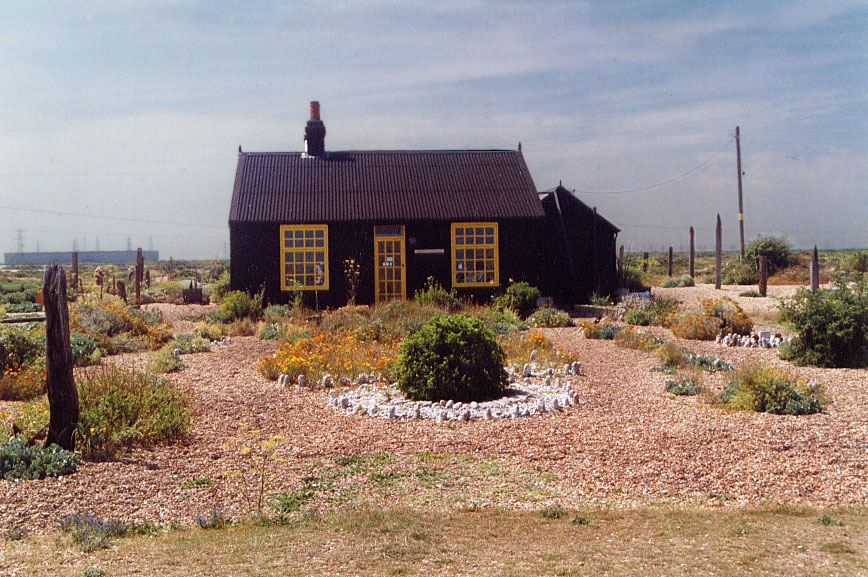
Dungeness is a broad shingle headland and small settlement on the coast of Kent, in England. Characterised by low, pebble-strewn landscape rather than the cliffs common elsewhere on the English coast, it forms a striking, sparsely vegetated foreshore that supports specialised plants, invertebrates and birds. The place is widely known both for its unusual natural environment and for human landmarks that include nuclear power facilities and navigational lights.
Image gallery
6 Images


Landscape and ecology
The promontory is a cuspate headland built of long, shingle ridges deposited and reshaped by waves and wind. Soils are thin and free-draining, producing a dry, open environment in which salt-tolerant and drought-hardy species thrive. Because of the rare combination of habitat types — shingle, saline lagoons, and sparse scrub — the area supports a number of specialist plants, insects and migrating and wintering birds. Conservation organisations and scientific surveys recognise Dungeness for its ecological value and sensitivity to disturbance.
History and human use
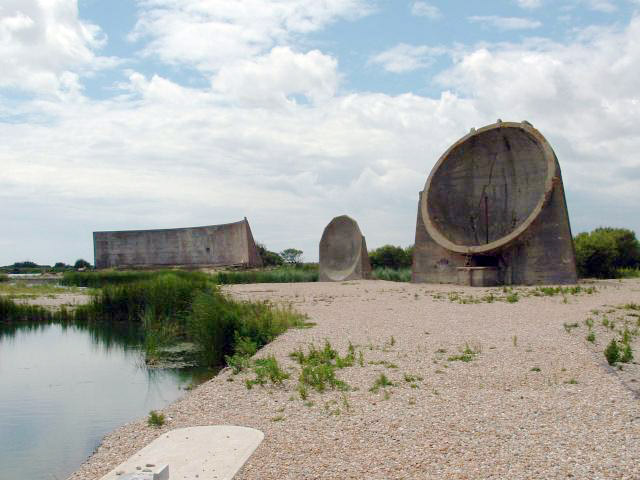
Human activity at Dungeness has long reflected its exposed but strategically important position at the mouth of several estuaries. Traditional livelihoods included small-scale fishing and boat handling from the shingle shore. Over centuries the headland has required navigational aids and coastal defences; military installations were placed there during major conflicts because of its outlook over approaching shipping lanes. A small settlement and a light railway developed to serve local needs and visitors.
Power stations and lighthouses
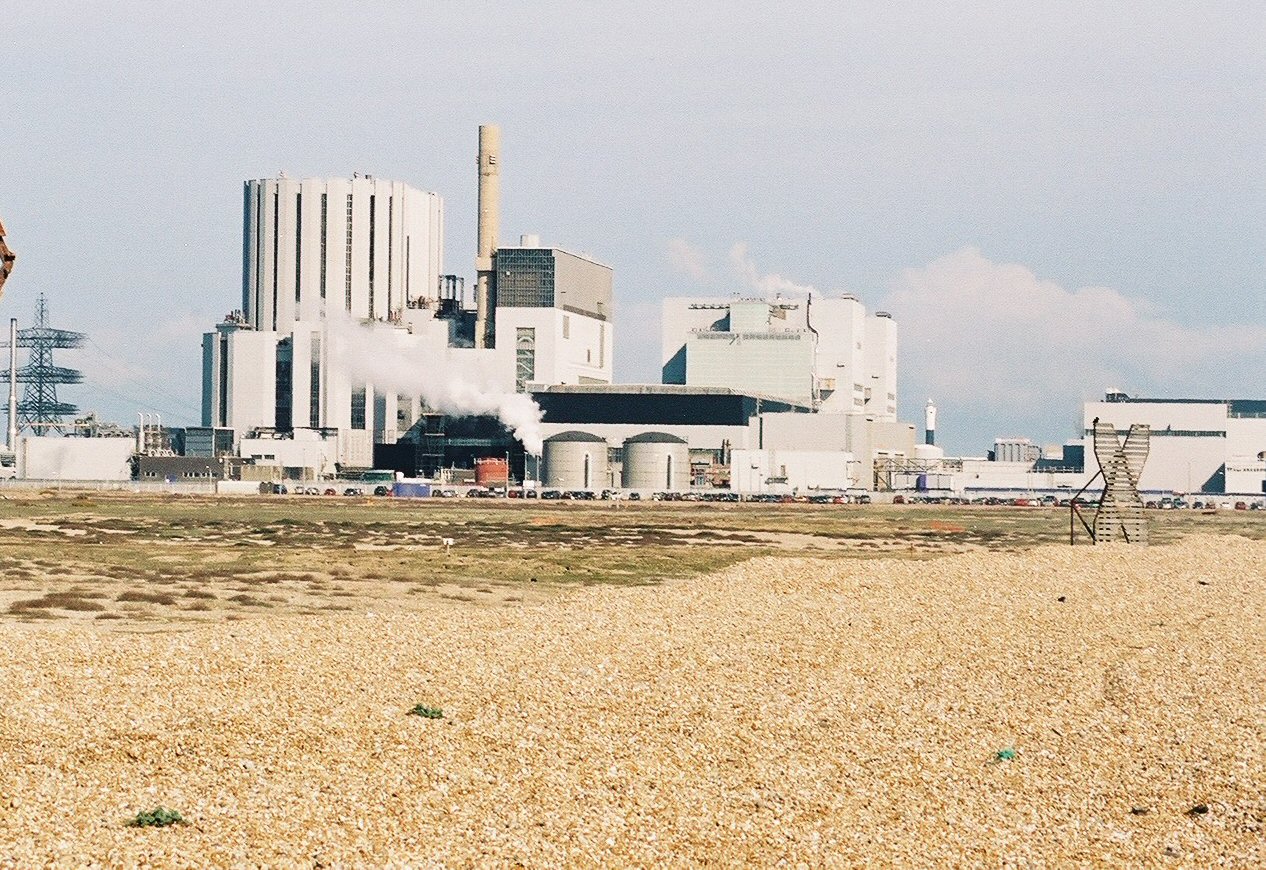
The site is notable for the presence of two adjacent nuclear power developments; references to the local power station complex or the named Dungeness Nuclear Power Station are common in descriptions of the headland. One station is older and has entered decommissioning; the other was built later and operated into the late 20th and early 21st centuries. Navigation is assisted by two prominent lighthouses on the headland: one is a preserved historic structure and the other continues to serve shipping. For more on maritime markers see the local lighthouse references.
Visiting and conservation
Parts of Dungeness are managed for conservation and public access. Visitors come for birdwatching, guided walks, photography and to study the unusual geology and plant communities. The combination of industrial structures and unspoilt shingle habitat makes the place distinct: caution and respect for protected areas are important when visiting. Practical information, including maps and designated-site details, is often provided by local authorities and conservation groups; see local resources and mapping references such as location guides.
- Key features: extensive shingle beach, specialised habitats, two power stations and twin lighthouses.
- Activities: wildlife observation, coastal walking and heritage interest.
- Conservation: recognised for ecological importance and managed to balance access and protection.
Although compact in population, Dungeness stands out for the contrast between its stark natural landscape and visible industrial and historic installations. That contrast, and the scientific interest of its shingle ecosystems, has made it a subject of study, outdoor recreation and ongoing conservation efforts.
Related articles
Author
AlegsaOnline.com Dungeness — Kent shingle headland, village, power stations and nature reserve Leandro Alegsa
URL: https://en.alegsaonline.com/art/29243