
Dunedin: New Zealand city of hills, history and learning
Dunedin (Māori: Ōtepoti) is the principal city of Otago on New Zealand’s South Island, known for its volcanic harbour, Victorian architecture, the University of Otago and wildlife on the Otago Peninsula.
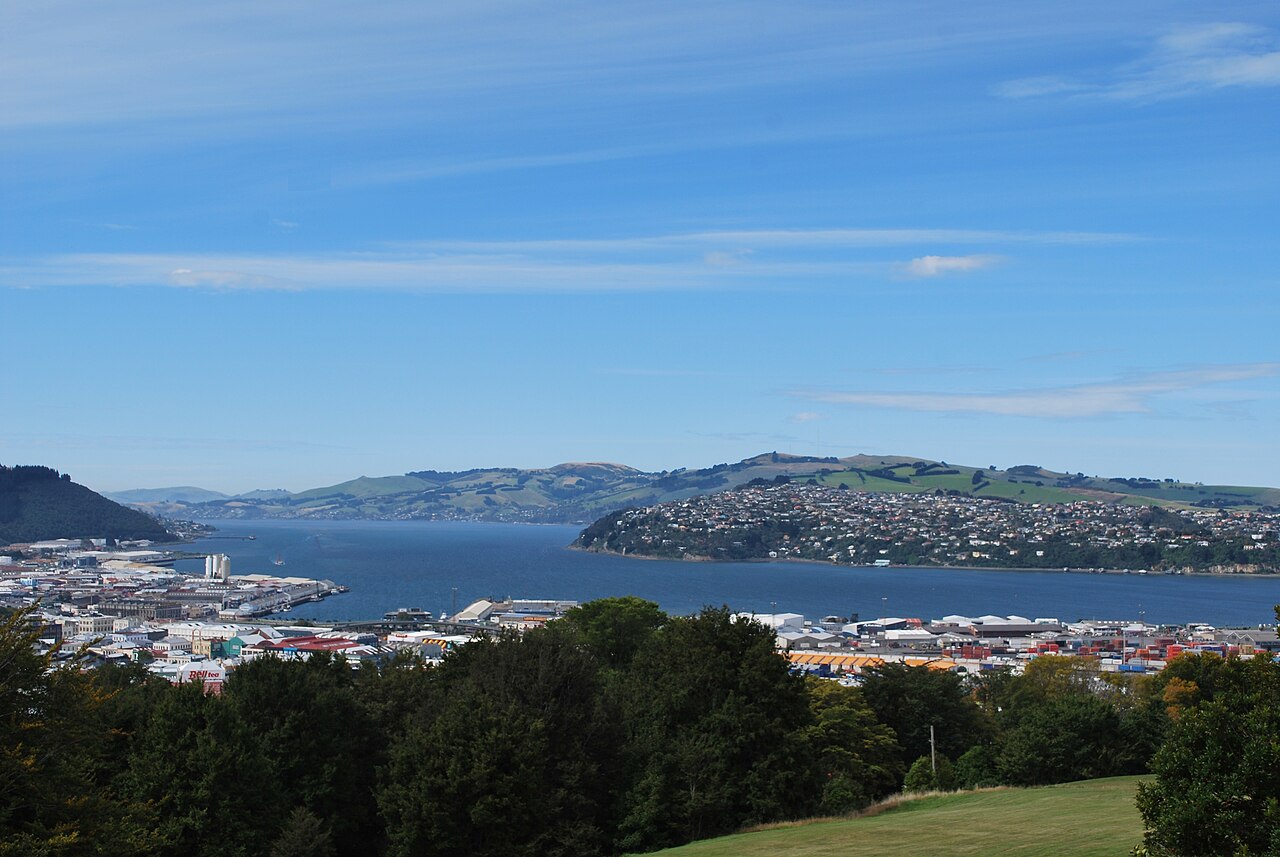
Dunedin is a city on the southeast coast of New Zealand. The Māori name for the settlement is Ōtepoti. It is the principal urban centre of the Otago region and the second-largest city on the South Island. The city occupies the hills and valleys around the head of Otago Harbour, a landscape shaped by the remains of an ancient volcano.
Image gallery
10 Images


Geography and environment
The urban area spreads across steep ridges and sheltered bays, producing streets with marked gradients and scenic viewpoints. The harbour and surrounding hills are geologically significant as remnants of a long-extinct volcanic complex. Dunedin experiences a temperate oceanic climate with mild summers and cool winters, and its coastal setting supports maritime and hill ecosystems.
History and name
Dunedin was founded in the 19th century with strong Scottish ties: its name derives from Dùn Èideann, the Scottish Gaelic name for Edinburgh. European settlement accelerated during the Otago Gold Rush, which helped establish civic institutions and an architectural legacy visible in many Victorian and Edwardian buildings.
Culture, education and economy
The city is home to the University of Otago, New Zealand’s oldest university, which gives Dunedin a vibrant student culture and a substantial research and health sector. Education, health services, tourism, and creative industries are important to the local economy. Dunedin also serves as a regional service and transport hub with port facilities and historic railway links.
Notable places and wildlife
- Otago Harbour and the working waterfront.
- Victorian and Edwardian architecture, including the ornate railway station and college buildings.
- Baldwin Street, often cited as one of the steepest residential streets in the world.
- Otago Peninsula and Taiaroa Head, where seabird colonies and the only mainland breeding colony of royal albatross are major attractions.
Dunedin is often described as the cultural and intellectual heart of southern New Zealand, combining natural landscapes, wildlife, historic built fabric, and a lively university community. Visitors and residents value its distinctive topography, heritage conservation, and the blend of Māori and European influences that shape the city’s identity.
Related articles
Author
AlegsaOnline.com Dunedin: New Zealand city of hills, history and learning Leandro Alegsa
URL: https://en.alegsaonline.com/art/29232