
Duke of Normandy
Historical title held by the rulers of the Duchy of Normandy from its Viking origins in 911 through its personal union with England and its modern legacy in the Channel Islands.
Overview
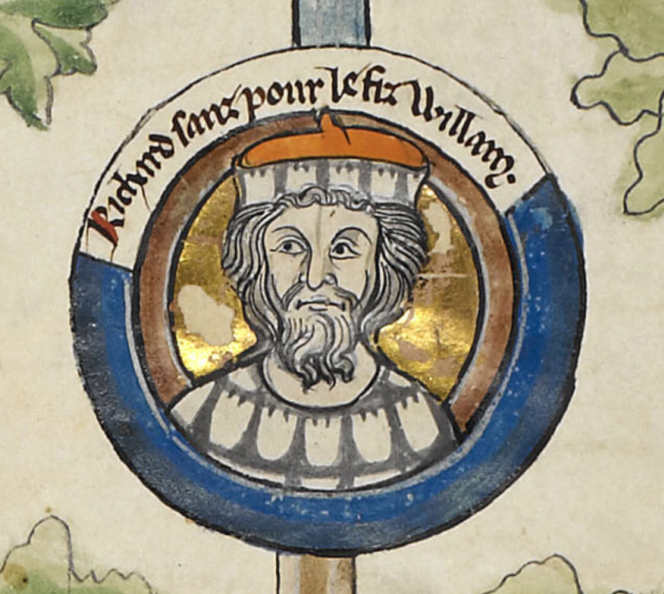
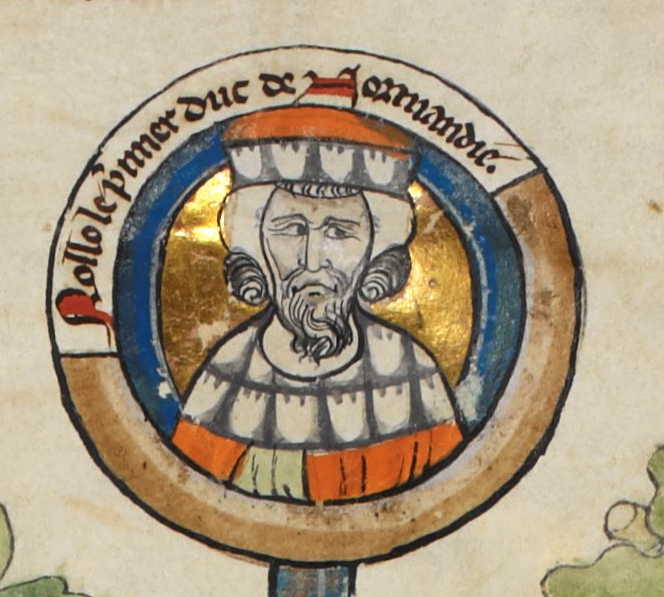
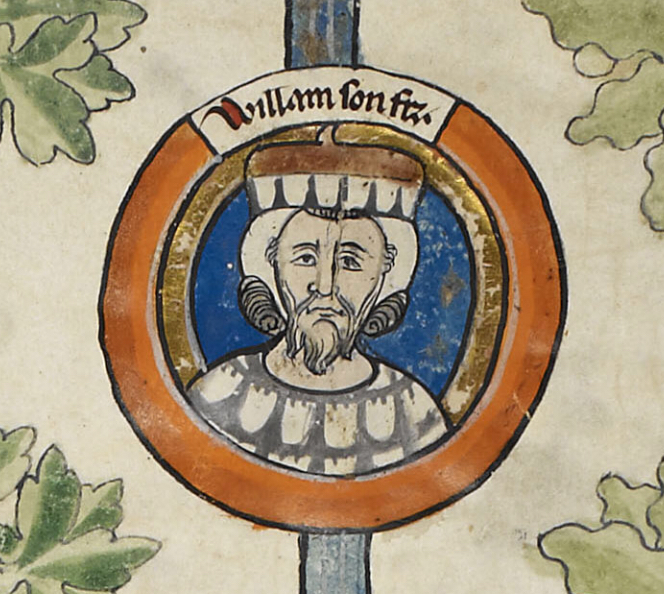
The title Duke of Normandy designated the ruler of a medieval territorial duchy in northern France. The duchy emerged in the early 10th century as a settled territory established to contain and assimilate Scandinavian raiders and settlers. Over the next three centuries the dukes of Normandy built a distinctive polity whose rulers eventually became major players in both French and English affairs.
Image gallery
10 Images




Origins and early history
The duchy was created in 911 when the Frankish king Charles the Simple granted land to a Scandinavian leader, commonly called Rollo, to secure the Seine estuary. That grant formalized a fief under the West Frankish crown and began a process of Norse settlement, conversion to Christianity, and fusion with local Gallo-Frankish society. The territory is often referred to simply as the duchy of Normandy, and its rulers adopted the ducal title while maintaining ties—sometimes tense—with the kings of France.
Norman expansion and the English crown
Normandy’s most decisive moment came in 1066, when its seventh duke, William, famously crossed the Channel and became King of England as William I. From that time the two realms were often joined in a single ruler, producing a political condition called a personal union. The English kings continued to claim the ducal title as part of their continental possessions until the 13th century, even as the balance of power shifted and territories changed hands.
Loss of the mainland and treaties
Mainland Normandy was lost to the French crown in the early 1200s; King John of England failed to hold the duchy against a rising Capetian monarchy and by 1204 most of the territory had been taken by the King of France. The English crown formally renounced its claim to Normandy by treaty in 1259 under Henry III, though a residual link survived through the Channel Islands, which remained loyal to the English monarch and are today a British crown dependency known collectively as the Channel Islands.
Administration, culture and law
The duchy developed its own systems of governance: ducal courts, a network of castles, maritime trade, and a legal culture that blended Norse practice with Frankish custom. Norman rule produced notable architectural and military innovations, and the Norman elite’s use of a Romance dialect influenced the English language and administration after 1066. Dukes of Normandy often acted as powerful territorial princes, balancing local autonomy with feudal obligations to the French crown.
Later uses of the title and legacy
The title continued to carry symbolic weight long after Normandy’s medieval political structure changed. For example, at the Restoration in 1660 the French king Louis XIV extended a gesture to the restored English monarchy by granting the title Duke of Normandy to Charles II’s brother James, a move connected to the politics of monarchy and recognition during that period and noted in accounts of the era involving Charles II. Today the most tangible remnant of the ducal title is its ceremonial and legal presence in the Channel Islands, where the Crown’s role is sometimes expressed in local institutions as the Duke of Normandy. Key moments in Normandy’s history include:
- Founding of the duchy under Charles the Simple and Rollo
- Conquest of England by Duke William in 1066
- Loss of continental Normandy in the early 13th century and the 1259 treaty under Henry III
- Modern legacy centered on the Channel Islands and later symbolic creations such as the 17th‑century title grant linked to Charles II and James.
Related articles
Author
AlegsaOnline.com Duke of Normandy Leandro Alegsa
URL: https://en.alegsaonline.com/art/29164