
Dulwich: a leafy, historic district in south London
Dulwich is an affluent, largely residential area in the London Borough of Southwark known for parks, schools, the Dulwich Picture Gallery and preserved village character within south London.
Overview
Dulwich is a predominantly residential district in south London within the London Borough of Southwark. Frequently described as leafy and affluent, it combines a small‑scale village core with wider suburbs and several notable cultural and educational institutions. The name and boundaries of Dulwich are used in different ways to describe adjacent neighbourhoods and conservation areas across south London; for a general guide see local information.
Image gallery
10 Images


Character and landscape
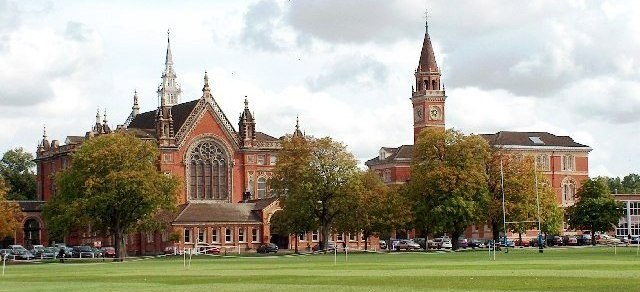
Dulwich retains a village atmosphere uncommon in central London. Its streets contain a mix of Georgian, Victorian and early 20th‑century houses, together with purpose‑built school buildings and small commercial strips of independent shops and cafes. Open spaces are a defining feature: Dulwich Park, Dulwich Wood, and several commons and squares provide recreation and help define the area’s residential appeal.
Institutions and culture
Important local institutions contribute to Dulwich’s identity. The Dulwich Picture Gallery, designed in the early 19th century, is widely acknowledged as one of England’s earliest purpose‑built public art galleries. Historic independent schools and colleges established in the post‑medieval period also shape the neighbourhood’s reputation for education and heritage.
- Arts: Dulwich Picture Gallery and community arts programmes.
- Education: long‑standing independent schools and preparatory institutions.
- Sport and leisure: amateur football clubs, parks and rowing or jogging routes nearby.
History and development
The area has roots that extend back before the modern metropolis, with landholding patterns and a manor landscape that gradually transformed into suburban housing from the 18th and 19th centuries. A charitable estate has long managed much of the land and seeks to protect the area’s character and green spaces. Over time Dulwich evolved from a rural settlement into a desirable commuter suburb while retaining a distinct local identity.
Access, reputation and notable facts
Dulwich is served by a network of suburban rail, light rail and bus routes that link it to central London and neighbouring districts in south London. It is often highlighted for its conservation areas, affluent residential streets, quality of schools and cultural attractions. Community events, local markets and occasional film/TV location use underscore Dulwich’s continuing role as a distinctive, well‑preserved pocket of London life.
For more local resources and visitor information consult community pages and local authorities linked through area guides and borough services at Southwark.
Related articles
Author
AlegsaOnline.com Dulwich: a leafy, historic district in south London Leandro Alegsa
URL: https://en.alegsaonline.com/art/29183