
Dry stone wall
A dry stone wall is a mortar-free masonry structure built by carefully fitting stones. This article explains its construction, history, types, uses, and conservation, with regional examples like the Yorkshire Dales.
Overview
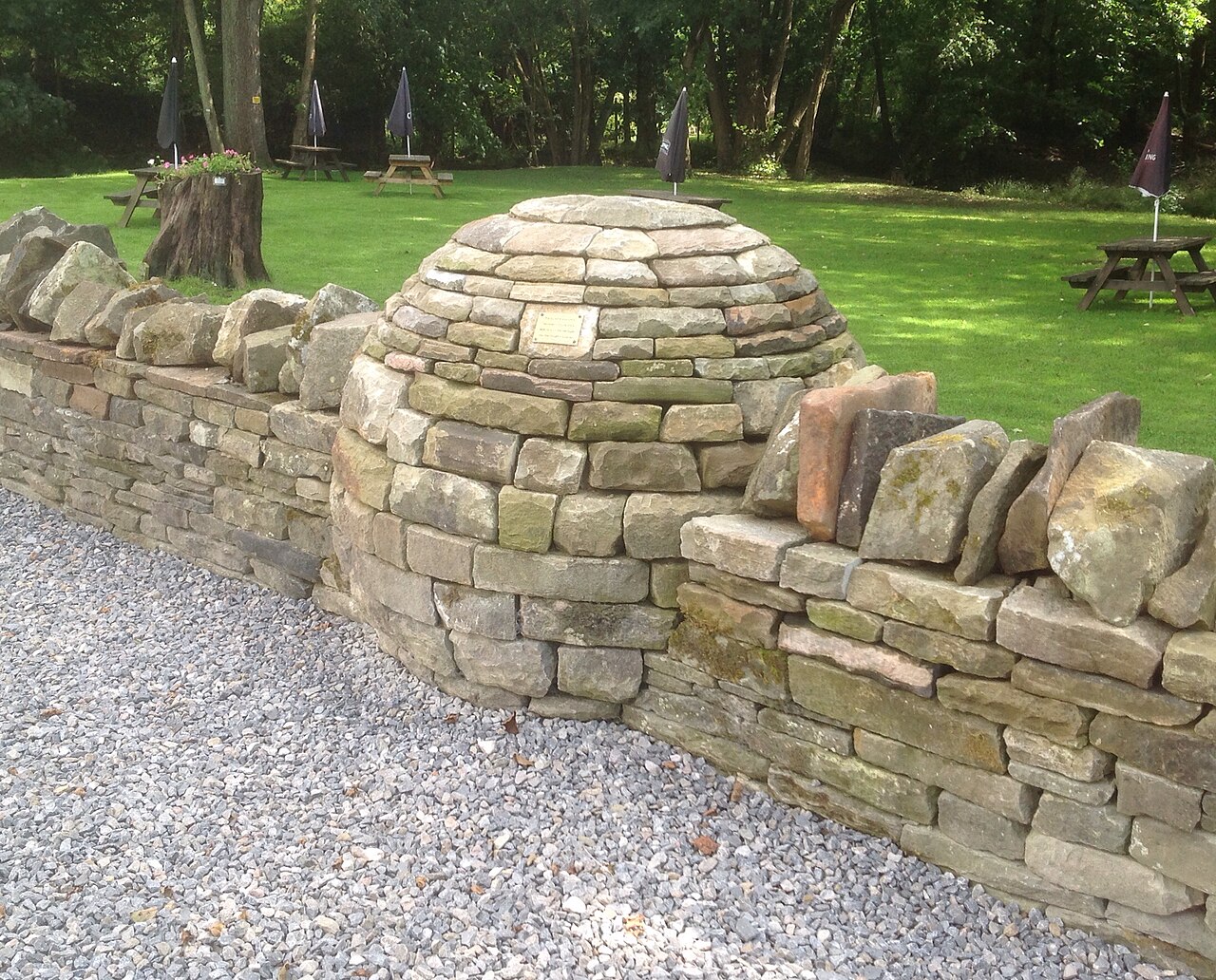
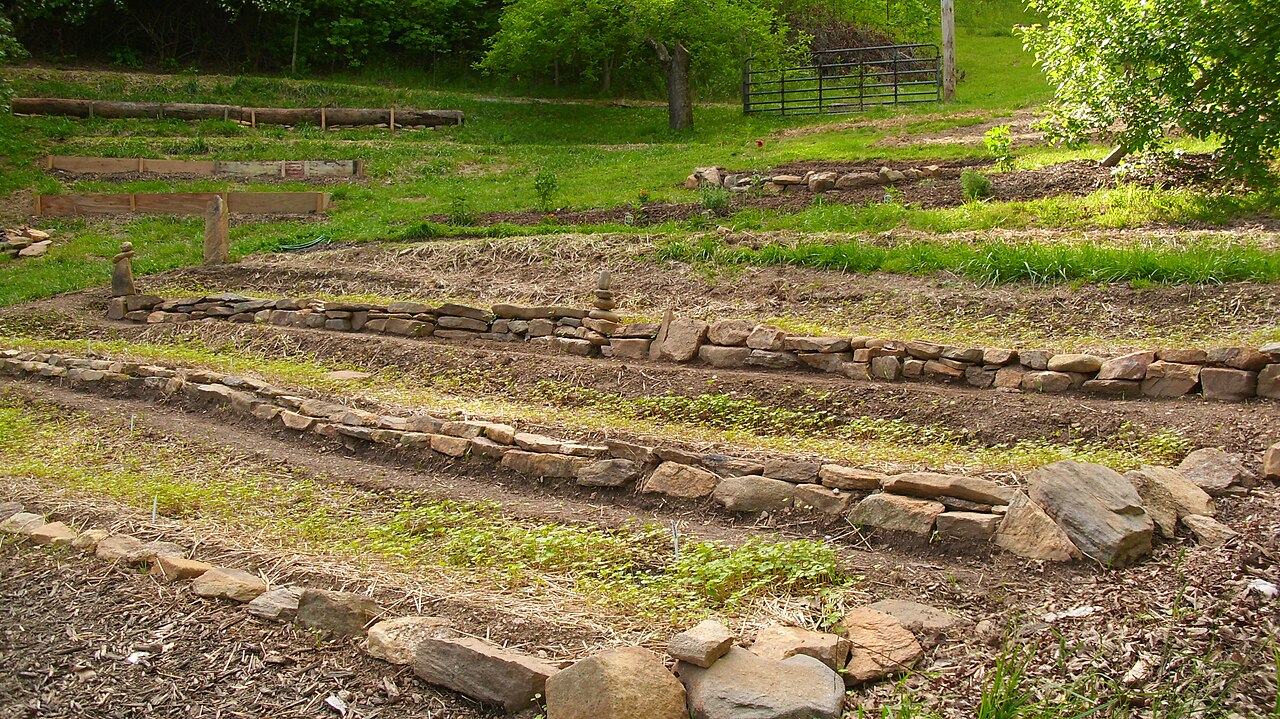
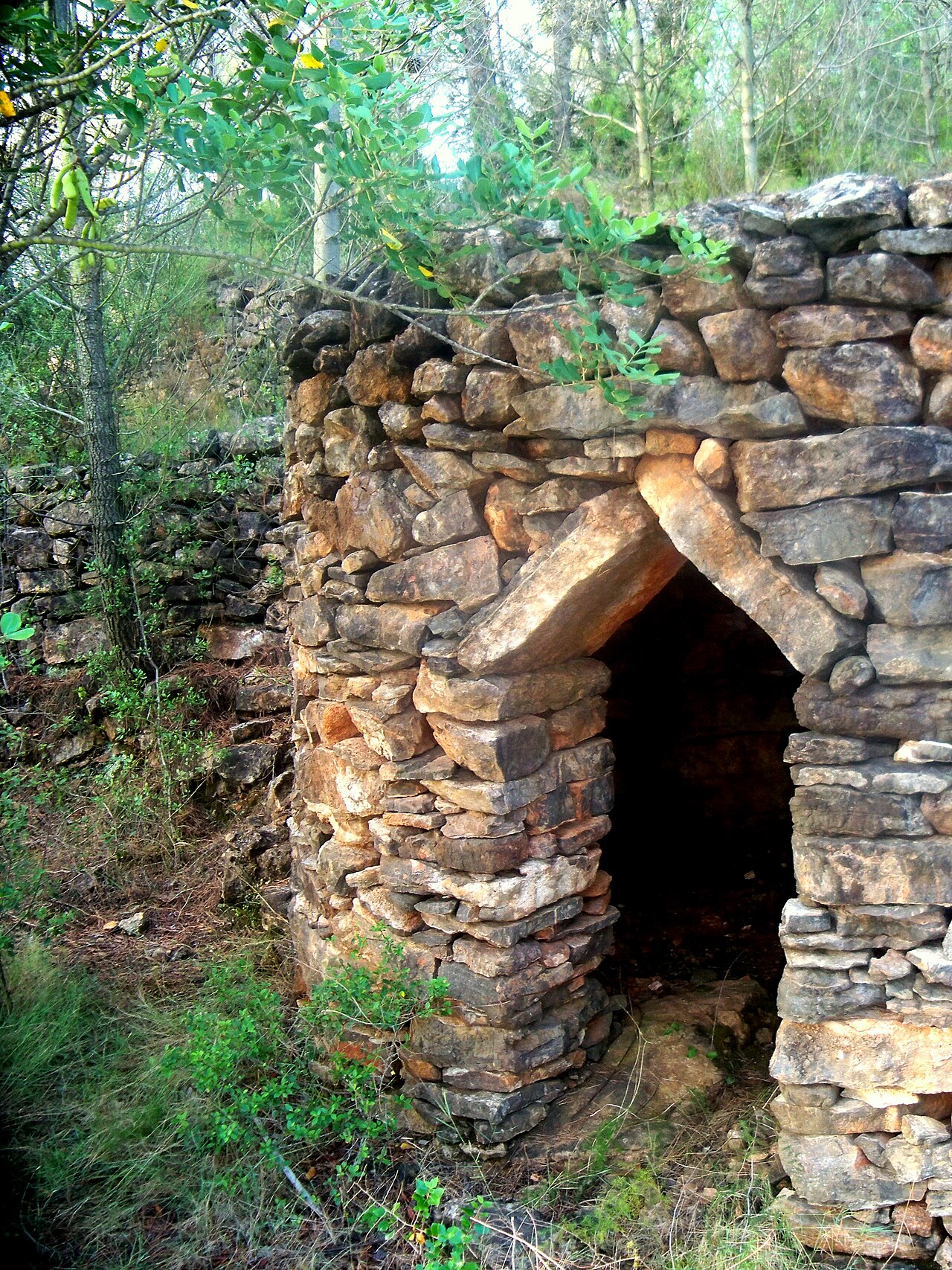
A dry stone wall is a structure made by stacking stones without any mortar or binding material. Stability depends on the shape, weight and placement of individual stones and on traditional building techniques that transfer loads through friction and interlock. Builders select and dress stones so that they fit together tightly, creating durable walls for field boundaries, terraces, retaining walls and landscape features.
Image gallery
10 Images





Materials and construction
Typical materials are locally quarried fieldstone, limestone, sandstone or granite. Key elements of construction include a stable foundation, battered faces (slightly inclined), through-stones or tie-stones that span the wall, and a cap or coping that locks the top course in place. Skilled work minimizes gaps and channels water outwards, helping the wall to shed moisture and remain flexible under frost or soil movement. For more on technique see dry-stone technique.
Styles and components
- Dry-stacked: irregular stones fitted by hand.
- Coursed: stones roughly leveled into horizontal layers.
- Through-stones: long stones that tie both faces together.
- Coping: protective top stones that shed water.
Detailed terminology and methods vary by region; traditional skill is passed in apprenticeships and community workshops. See descriptions of regional practice at construction notes and masonry guides.
History and geography
Dry stone techniques are ancient and widespread, found in prehistoric field systems, terraces, and defensive walls. They are particularly associated with upland agricultural landscapes, such as the stone walls of the British Isles. Prominent examples include walls in the Yorkshire Dales and other parts of northern England, where stone fences shaped the countryside over centuries. Archaeological and vernacular studies trace regional variations and long-term evolution of the craft.
Uses, benefits and conservation
Beyond marking boundaries, dry stone walls support biodiversity by providing crevices for plants and animals, allow groundwater movement, and are repairable rather than disposable. They are used in modern landscaping, heritage restoration and sustainable agriculture. Conservation involves proper repair methods and training; organizations and local groups document skills and maintain walls—find practical guidance at conservation resources.
Dry stone walls combine functional engineering with cultural heritage: simple in materials but often complex in technique, they remain a resilient and valued element of many landscapes.
Related articles
Author
AlegsaOnline.com Dry stone wall Leandro Alegsa
URL: https://en.alegsaonline.com/art/29051