
Percussion instrument
Family of musical instruments sounded by striking, shaking or scraping; includes pitched (tuned) and unpitched types, orchestral roles, historical development, techniques, and common examples.
Overview
Percussion instruments produce sound when they are struck, shaken, scraped or otherwise set into vibration. They form a broad and diverse family that ranges from small hand-held idiophones to large orchestral drums. A musician who specializes in these instruments is called a percussionist; many percussionists develop skills across a wide assortment of instruments because the basic coordination, rhythmic sense and stick or mallet techniques apply to multiple devices. Percussion frequently anchors rhythm in popular music and is used for color, emphasis and atmosphere in ensemble settings such as orchestras and bands.
Image gallery
10 Images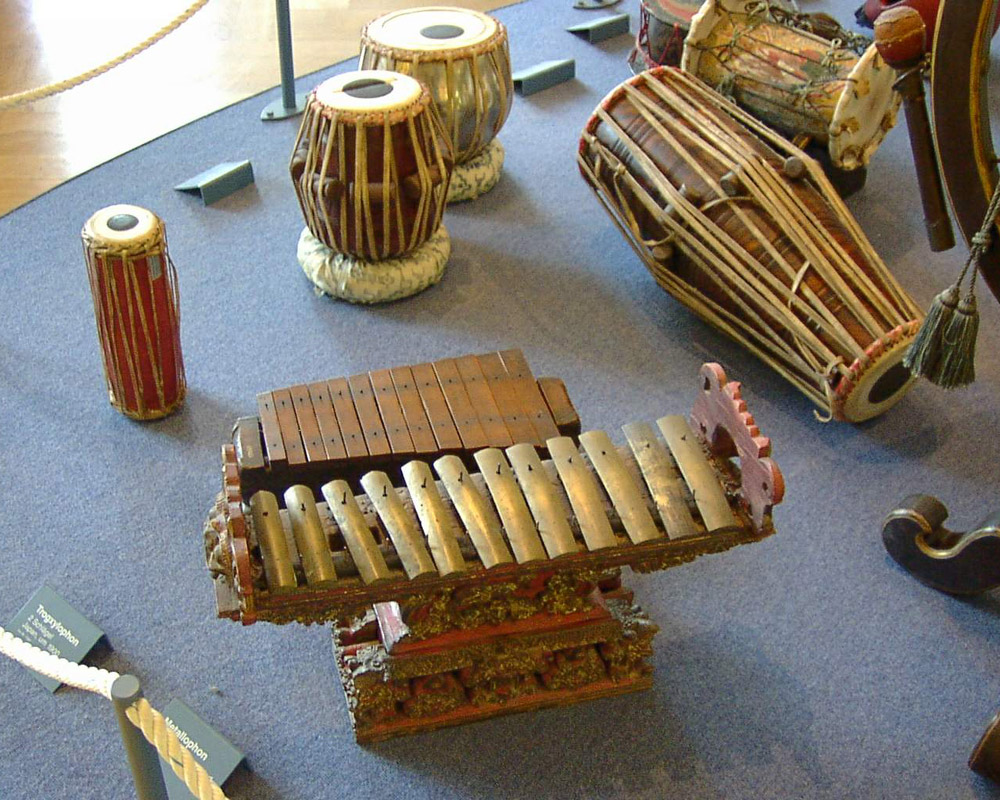
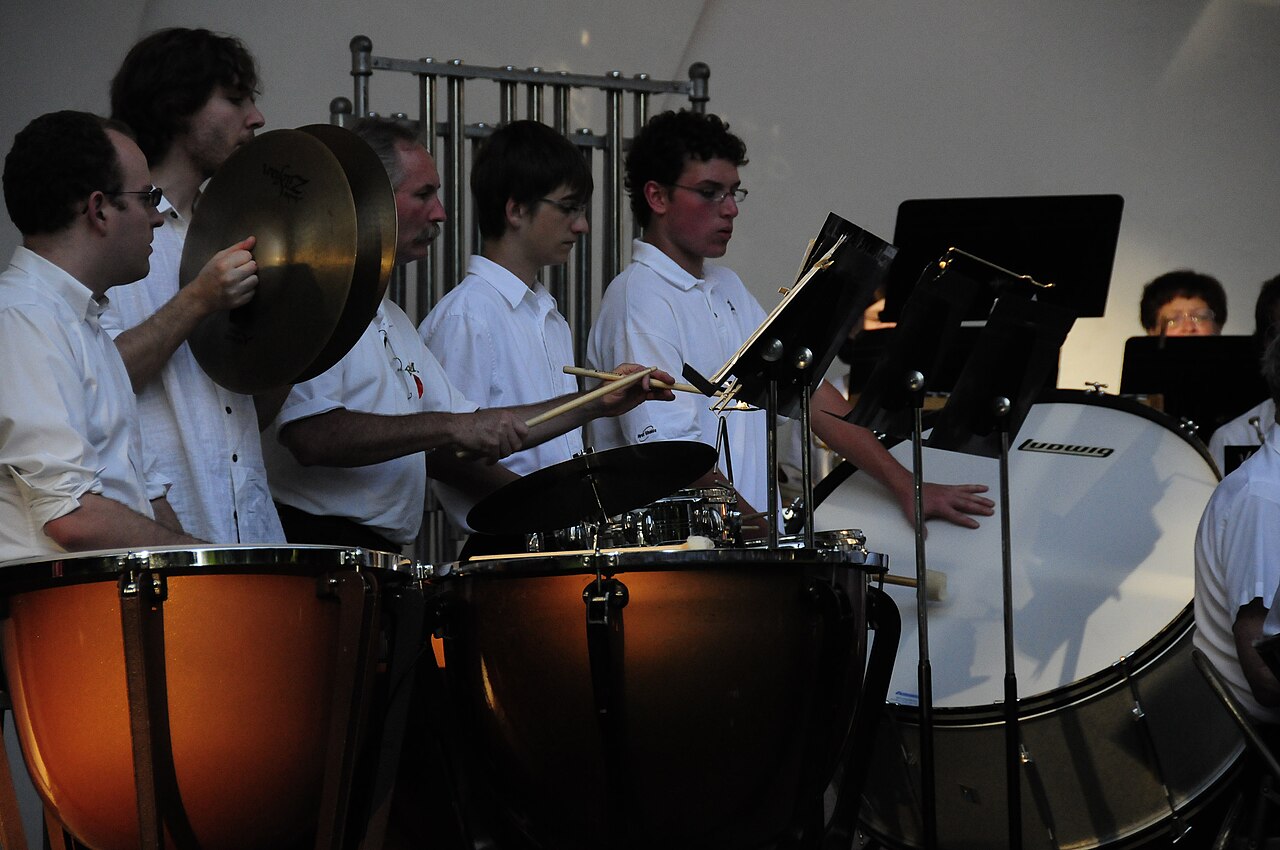


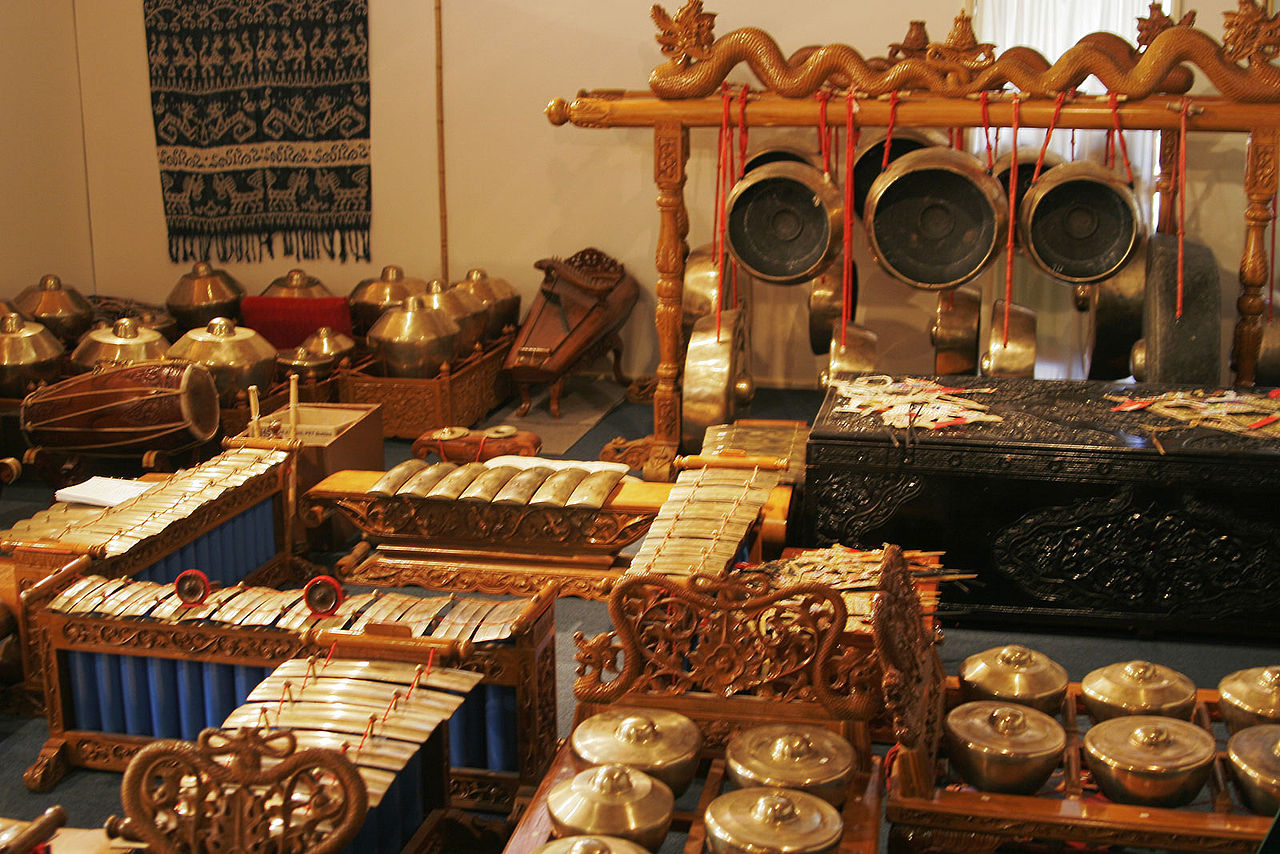
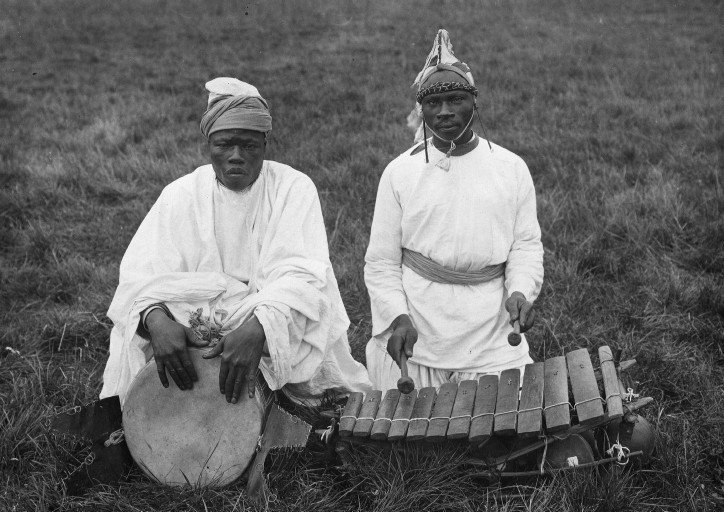

Characteristics and classification
Percussion instruments are often divided by whether they produce a definite pitch. Instruments that yield clear musical notes are called pitched or tuned percussion; those that primarily supply rhythm and timbral effects are frequently labeled unpitched or untuned. From an organological standpoint, percussion includes idiophones (sound from the body of the instrument), membranophones (sound from a stretched membrane), and sometimes struck or shaken aerophones and chordophones when they are played percussively. Common performance setups include orchestral percussion sections, the drum kit in popular music, marching percussion, and solo percussion ensembles.
Typical instruments
- Tuned (pitched) percussion: xylophone, glockenspiel, vibraphone, tubular bells, and timpani — these can play melodies and harmonies and are used where pitch organization is required.
- Untuned (unpitched) percussion: bass drum, side drum or snare, maracas, castanets, cymbals, tambourine, and claves — providing rhythmic drive, accents and special effects.
History and development
Percussion is one of the oldest instrument groups, with simple drums and struck objects found in many early cultures. In Western art music the orchestra originally used very limited percussion—most Classical-era scores rely mainly on the timpani. During the 19th century additional colors such as cymbals, triangle and tambourine were introduced more often. The 20th century saw a dramatic expansion: composers and performers brought in an ever-wider palette of sounds, embraced tuned percussion as melodic instruments and experimented with found objects from everyday life (for example composers sometimes used a typewriter or bottles for special effects).
Uses, techniques and notable facts
Percussion appears across musical genres: orchestral scores often allocate a variety of instruments to a single percussionist, jazz and rock use drum kits to establish pulse, and many folk traditions center percussion in dance and ritual. Playing techniques include single- and double-stroke rolls, dampening, muffling, glissando on mallet instruments, and mallet exchanges to change timbre. Because percussion covers both pitched and unpitched sound, it can interact closely with other families like strings, brass and keyboard instruments; in ensembles it often fills percussive color around harmonic material supplied by winds, strings or keyboards.
Contemporary practice
Modern percussionists may be required to read complex notation, tune timpani, switch quickly between instruments, and incorporate electronic triggers or sample pads. Education programs and community ensembles continue to expand interest in percussion because of its central role in rhythm, its visual appeal and its adaptability to new musical contexts. The result is a living, evolving field that stretches from traditional hand drums to concert marimbas and experimental sound installations.
Questions and answers
Q: What are percussion instruments?
A: Percussion instruments are instruments which are played by shaking or hitting.
Q: Who plays a percussion instrument?
A: A person who plays a percussion instrument is a percussionist.
Q: What type of percussion instruments can play tunes?
A: Tuned percussion instruments, such as xylophones, glockenspiels, vibraphones, tubular bells and timpani can play tunes.
Q: What type of percussion instruments cannot play tunes?
A: Untuned percussion instruments, such as bass drums, side drums (snare drums), maracas, castanets, cymbals, tambourines and claves cannot play tunes.
Q: How many different kinds of percussion instruments can be found in an orchestra?
A: In an orchestra there can be more different kind of percussion instruments than in the other families; string woodwind and brass instruments.
Q: Did composers like Mozart and Beethoven use lots of percussive elements in their music?
A: No, most music for orchestra by composers like Mozart and Beethoven only used the timpani.
Q: In what century did composers start to use more percussive elements in their music? A: In the 19th century more percussive elements were added such as cymbals, tambourines and triangles. By the 20th century some composers may have used very many different types of percussive elements in their pieces.
Related articles
Author
AlegsaOnline.com Percussion instrument Leandro Alegsa
URL: https://en.alegsaonline.com/art/75755