
Drumstick
A drumstick is a handheld beater used to strike percussion instruments. This article explains types, parts, materials, historical development, selection tips, common uses, and notable variants.
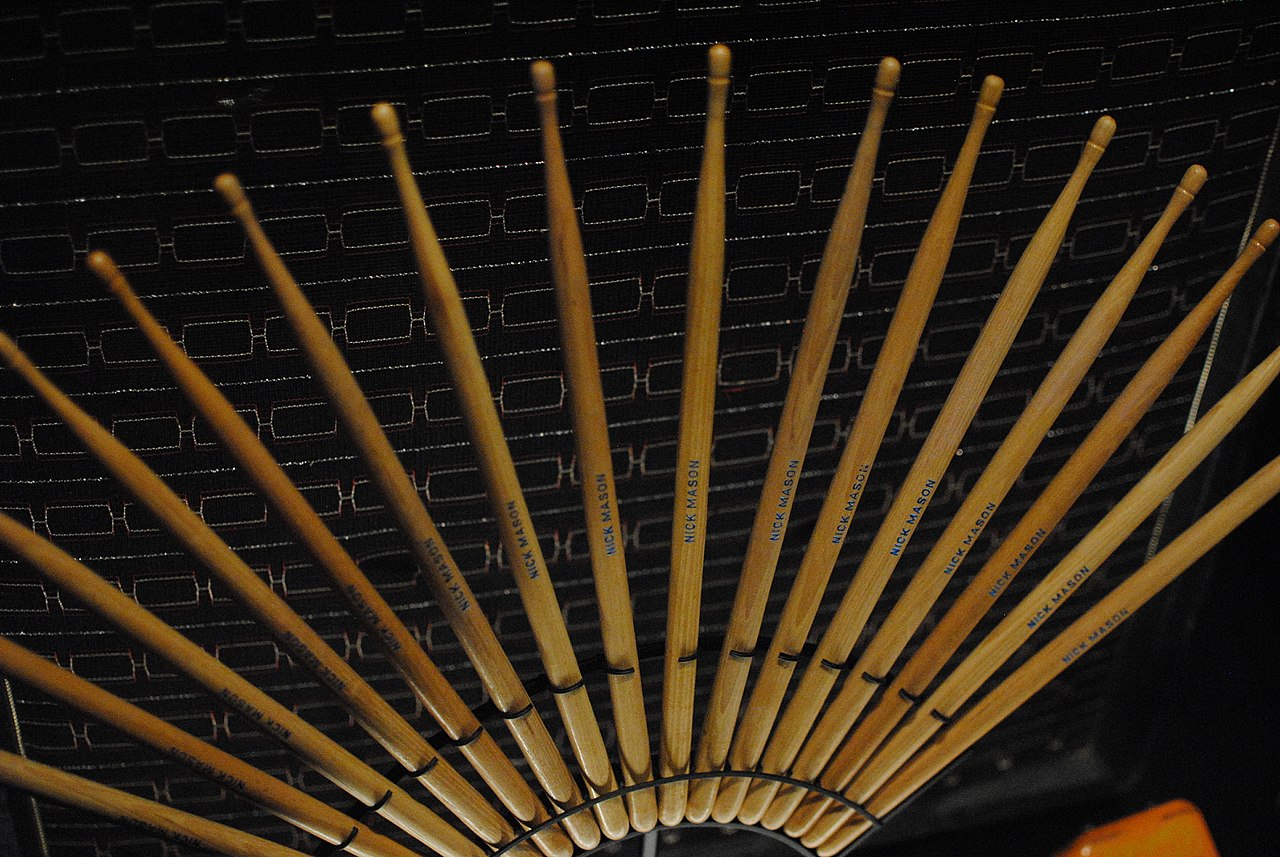
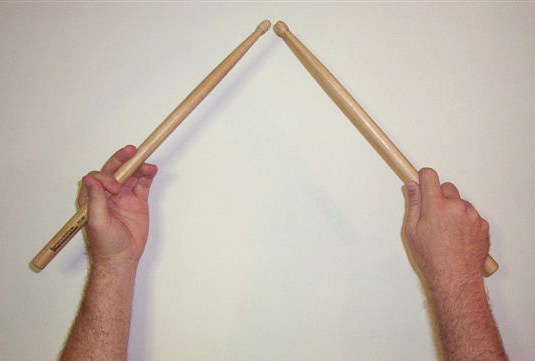
A drumstick is a tool used by percussionists to strike drums and other instruments to produce sound. Most commonly made from wood, drumsticks come in many shapes and sizes and are chosen to suit a musical style, the instrument, and the player’s technique. Sticks designed for a drum kit differ from those made for orchestral snare drumming, marching bands, or hand-played drums; differences in length, diameter, taper and tip shape all affect tone, balance and feel. For drum set players, see drum kit equipment guides for common pairings and grip styles.
Image gallery
5 Images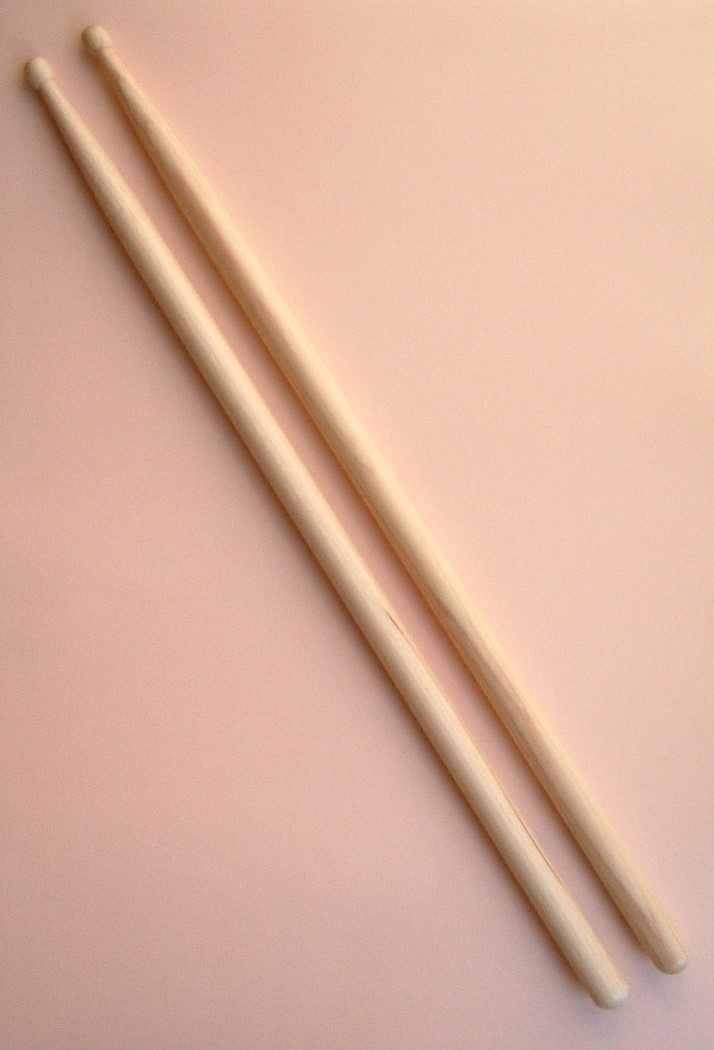

Characteristics and parts
A typical drumstick consists of a tip, shoulder, taper and handle. Tips may be oval, round, teardrop, acorn or barrel-shaped, and are made from wood or synthetic materials like nylon or acetal. The taper (the narrowing just below the shoulder) influences rebound and articulation. Weight, length and diameter together determine balance: heavier, thicker sticks deliver more volume and durability, while lighter, thinner sticks offer speed and a lighter touch.
Types and common designations
- Standard matched sticks (for drum kit and concert use) labeled with numbers and letters such as 7A, 5A, or 2B indicating relative size and power.
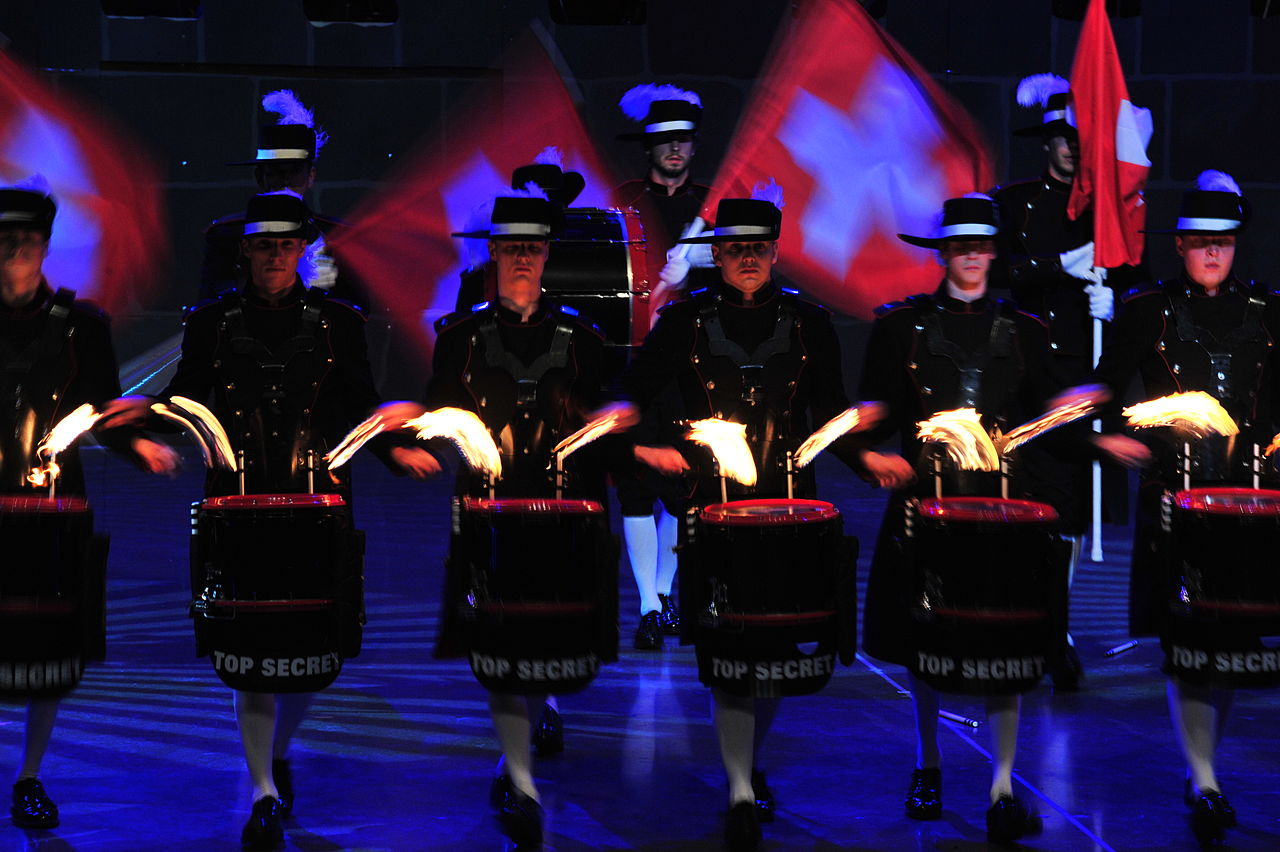
- Marching and rudimental sticks, built for projection and durability.
- Mallets and timpani sticks with large heads for tuned percussion.
- Brushes, rods (rutes) and specialty beaters that produce softer or textured sounds.
History and development
Handheld beaters have existed wherever humans make percussion, but modern drumsticks evolved alongside Western military and orchestral drumming traditions. Over the 19th and 20th centuries, standardized sizes and materials emerged as drum kits and popular music styles developed, leading to a range of commercially produced models and the adoption of synthetic tips and reinforced designs for greater longevity.
Uses, selection and care
Choosing a stick involves considering the music style, instrument and personal technique. Jazz players often prefer lighter sticks or brushes for subtlety; rock players usually select heavier sticks for projection. Nylon tips brighten cymbal sound and resist chipping, while wooden tips give a warmer tone. Sticks are sold in matched pairs and should be inspected for splintering; replacing worn or cracked sticks prevents damage to instruments and improves performance.
Notable distinctions
- Many percussion instruments are played with the hands (e.g., bongos, congas) and do not use sticks.
- Specialty beaters exist for specific timbres: yarn or felt mallets for marimbas, rubber mallets for bass drums, and brushes for jazz texture.
- Players often experiment with thickness, length and tip material to tailor attack, decay and cymbal response.
Related articles
Author
AlegsaOnline.com Drumstick Leandro Alegsa
URL: https://en.alegsaonline.com/art/29029