
Doujinshi: Independent Japanese self-published works and fan publications
Doujinshi are self-published Japanese works—often manga, novels, artbooks, or games—created by individuals or small groups (circles). They span fanworks, original stories, and a vibrant convention-based market.
Doujinshi (同人誌) are self-published Japanese works produced by individuals or small collaborative groups. The term combines dōjin (people with shared interests) and shi (a shortening of zasshi, meaning magazine). Doujinshi commonly take the form of manga, short stories, art collections, or even small computer games, and they range from amateur hobby projects to professionally made publications distributed outside mainstream commercial channels.
Image gallery
3 Images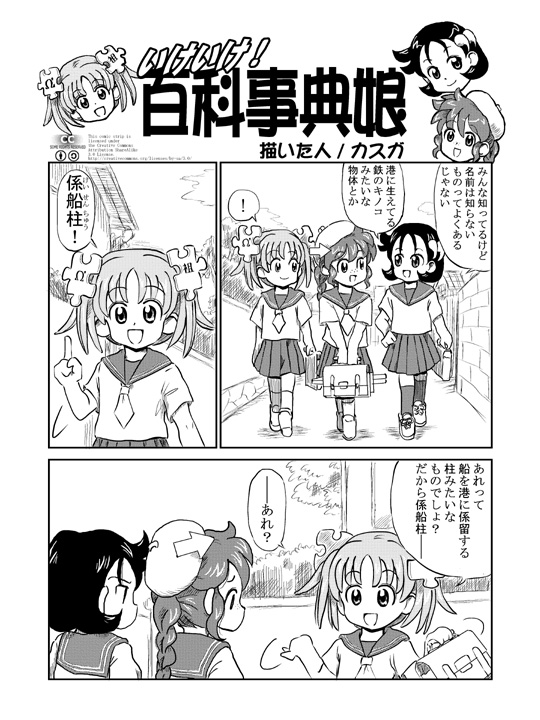


Forms and characteristics
Typical doujinshi are printed booklets or zines, but the label also applies to electronic releases and packaged indie games. Many are fanworks based on existing anime, manga, or game franchises, while others are wholly original. Production values vary: some are simple photocopied pamphlets, others are high-quality, full-color artbooks. Creators often work within a circle (サークル), a named team that may be a single person (kojīn circle) or a small group collaborating on writing, illustration, editing, and printing.
Creation, circles, and distribution
Doujinshi culture centers on peer-driven creation and direct sales. Circles handle all steps from authoring to printing and selling, frequently offering their works at conventions, local shops that specialize in independent publishing, and online platforms. Large fan conventions are major distribution venues where thousands of participants exchange and sell doujinshi, build reputations, and form networks with other creators and fans.
History and development
The practice grew from early literary and fan clubs into an expansive independent publishing scene. Over decades it has evolved alongside print technologies and the internet, enabling higher-quality self-publishing and wider reach. While many doujinshi creators are amateurs exploring creative freedom, some professional artists participate to experiment with styles or reach dedicated fan communities outside commercial editorial constraints.
Legal and cultural context
Doujinshi often exist in a grey area of copyright law when they adapt existing characters or settings. In Japan a tolerant, practice-based approach has historically allowed fan derivatives to circulate so long as they do not overtly threaten the original creators’ commercial interests. This balance varies by publisher and region. Beyond legalities, doujinshi are important cultural spaces for talent development: many creators use them to hone skills, connect with peers, and attract attention that can lead to professional opportunities.
Common types and significance
- Manga-style stories (fan or original)
- Short fiction and novels
- Illustration and artbooks
- Indie games and multimedia works
These works offer creative freedom and direct engagement with audiences. They serve as laboratories for new ideas, incubators for emerging artists, and a vital part of fan and independent publishing ecosystems in Japan and abroad.
Further reading and resources
For more on related topics, see these general resources: dōjin concept, self-publishing, book formats, manga production, artbook examples, amateur creators, professional artists, artist communities, magazine history, terminology, dōjin category, anime influence, adult works, indie games.
Related articles
Author
AlegsaOnline.com Doujinshi: Independent Japanese self-published works and fan publications Leandro Alegsa
URL: https://en.alegsaonline.com/art/28722