
Downtown no Gaki no Tsukai ya Arahende!! — long-running Japanese variety show
A long-running Japanese variety program led by comedy duo Downtown, famous for its annual "no laughing" batsu (punishment) games, specials and surreal prank segments on Nippon Television.
Overview
Downtown no Gaki no Tsukai ya Arahende!! is a Japanese television variety program fronted by the comedy duo Downtown. It airs on the Nippon Television network and blends sketch comedy, hidden-camera pranks and competitive segments. The show is widely known for its recurring "no laughing" batsu (punishment) games in which participants must keep a straight face while placed in increasingly absurd situations.
Image gallery
1 Image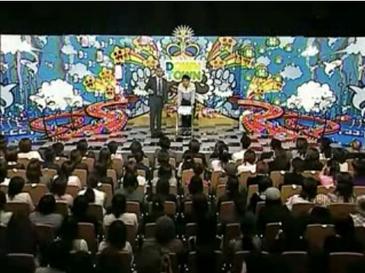
Format and signature segments
The program mixes short skits, guest appearances and longer themed events. Its most famous feature is the 24-hour "no laughing" challenge: cast members remain in a controlled setting for an extended period and are subject to humorous provocations. If a person laughs, they receive a staged punishment. These events are staged for comic effect and edited into long special broadcasts and shorter clips.
Regular performers and production
The show is anchored by Downtown and supported by a rotating ensemble of comedians, actors and guest celebrities. Production values alternate between polished studio sketches and deliberately low-fi prank set-ups. The series has been a staple of Japanese variety television since the late 1980s and has evolved its recurring bits while keeping a consistent comedic tone.
Broadcasts and specials
In addition to weekly episodes, the program is famous for extended holiday specials, particularly long New Year's Eve editions that have run for several hours. These broadcasts are often event television for fans, who tune in for the endurance-style batsu games. The show has a longstanding place in Nippon Television's schedule, sometimes following other variety programs such as Shōten.
Reception and cultural impact
The series has influenced the format of physical-comedy and prank programming in Japan. Its blend of improvisation, scripted setups and endurance comedy created memorable moments that circulate widely online in excerpted clips and subtitles for international viewers. While the staged punishments are part of the humor, they have occasionally prompted discussion about taste and safety in broadcast comedy.
Where to learn more
- Official network and program pages: Nippon Television, show site
- Information about the comedy duo: Downtown
- Related variety programs and historical context: Shōten
The series remains a prominent example of Japanese variety entertainment: familiar recurring challenges, an ensemble of comedians, seasonal spectacles and a fan culture that follows both full-length specials and short, shareable highlights.
Questions and answers
Q: What is Downtown no Gaki no Tsukai ya Arahende!!?
A: Downtown no Gaki no Tsukai ya Arahende!! is a Japanese variety show featuring the owarai duo, Downtown.
Q: Which network broadcasts Downtown no Gaki no Tsukai ya Arahende!!?
A: Downtown no Gaki no Tsukai ya Arahende!! is shown on the Nippon Television network.
Q: What are the "no laughing" batsu games in Downtown no Gaki no Tsukai ya Arahende!!?
A: The "no laughing" batsu games are where the cast has to endure many ridiculous situations for 24 hours in a place with a specific theme and must not laugh or they will be hit with a weapon on the buttocks.
Q: What is the duration of the program usually shown on New Year's Eve?
A: The program is usually shown for about 6 hours on New Year's Eve.
Q: What makes Downtown no Gaki no Tsukai ya Arahende!! popular?
A: The show is popular for its "no laughing" batsu games and features the popular Japanese owarai duo, Downtown.
Q: When is Downtown no Gaki no Tsukai ya Arahende!! broadcasted?
A: This program has a long broadcast period after Shōten in Nippon Television.
Q: What TV network broadcasts Downtown no Gaki no Tsukai ya Arahende!!?
A: Downtown no Gaki no Tsukai ya Arahende!! is broadcasted on the Nippon Television network.
Related articles
Author
AlegsaOnline.com Downtown no Gaki no Tsukai ya Arahende!! — long-running Japanese variety show Leandro Alegsa
URL: https://en.alegsaonline.com/art/28789
Sources
- ntv.co.jp : Downtown no Gaki no Tsukai ya Arahende!!