
Dorsal (anatomical term)
Dorsal describes the back or upper surface of an animal or body part. Used across zoology and human anatomy to indicate location relative to the back or upper side, contrasted with ventral (front or belly).
The word dorsal originates from the Latin dorsum, meaning "back," and is used in anatomy and zoology to indicate the back or upper surface of an organism or structure. In general usage, dorsal identifies parts that lie toward or project from the back side of an animal. The term is most useful when paired with its opposite, ventral, which denotes the belly or front-facing side.
Image gallery
10 Images


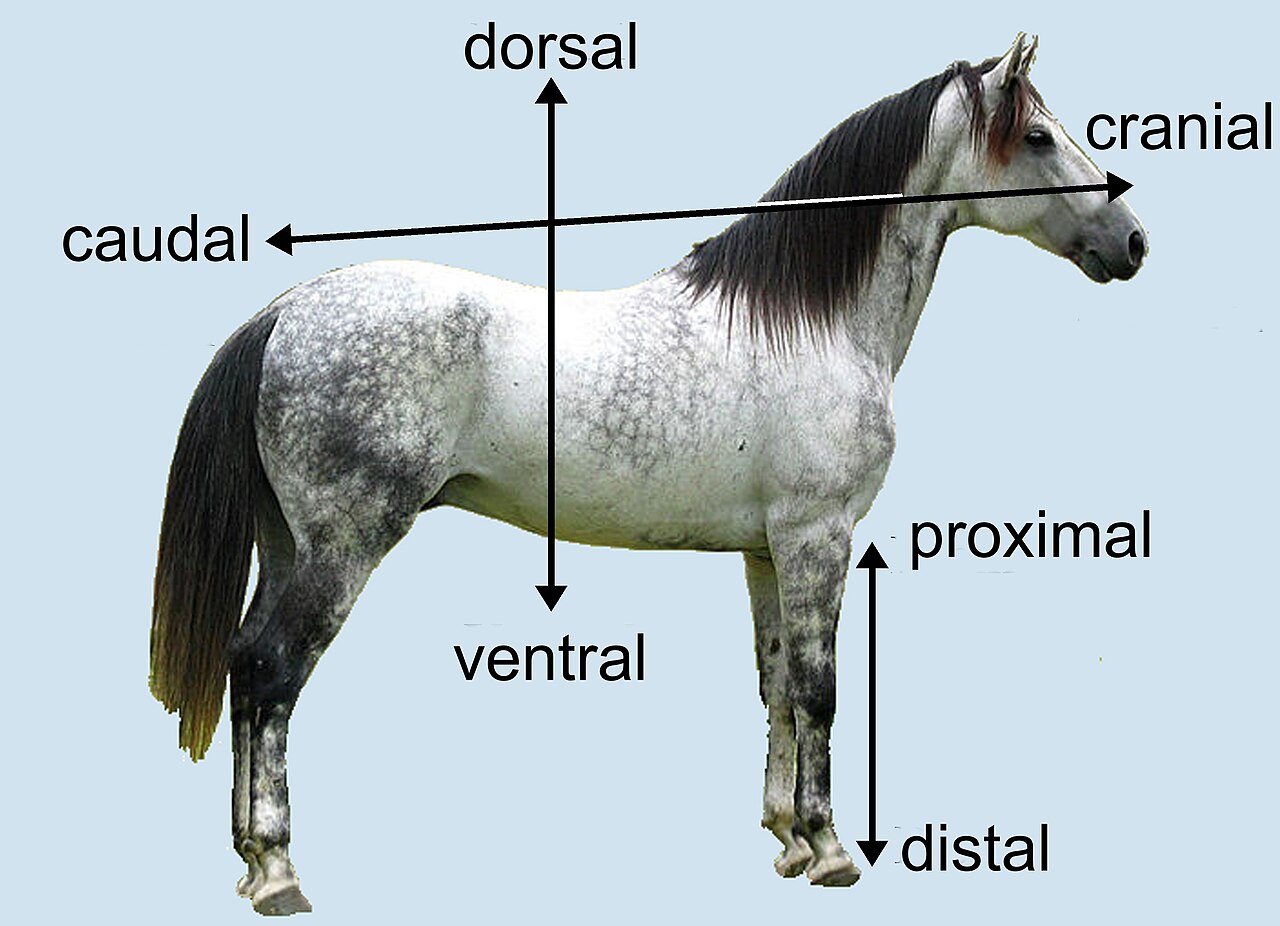

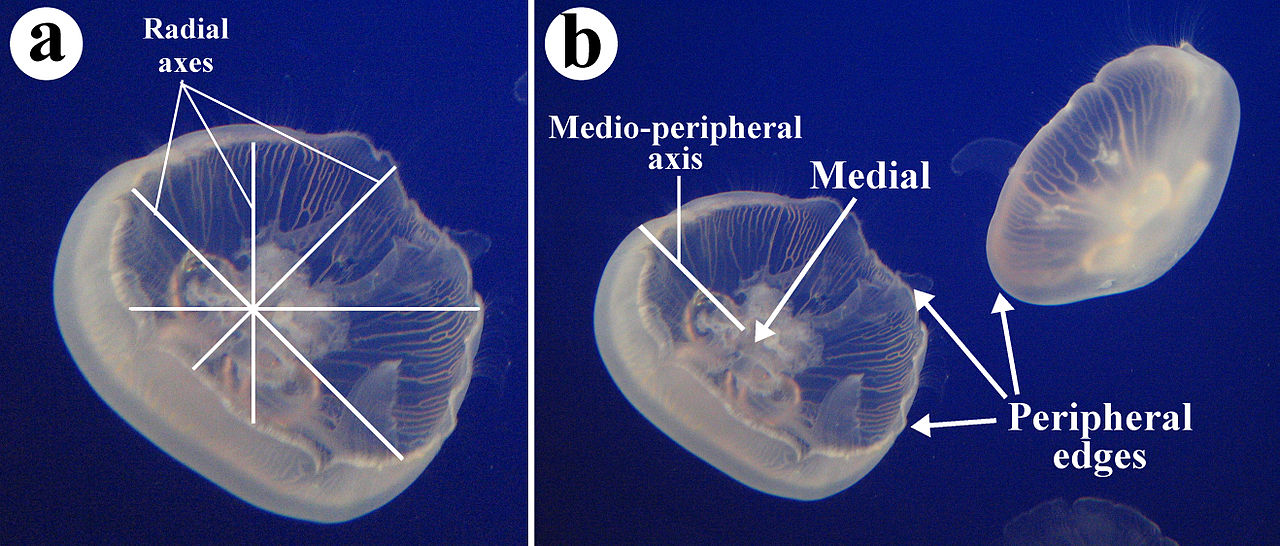



Definition and directional use
Directional terms vary with an animal's posture. In animals that move along a horizontal axis (for example many fish, reptiles, and quadrupeds), dorsal refers to the upper surface facing away from the substrate. In upright species such as humans, dorsal commonly refers to the back of the torso; by extension the term is also applied to the top surfaces of the hand and foot. Anatomical discussions often pair dorsal with terms such as anterior, posterior, proximal and distal to describe precise locations.
Structures and examples
- Dorsal fin: a median fin on many fish and marine mammals that runs along the midline of the back and helps stabilize swimming.
- Dorsum of the hand and foot: the top surfaces are described as dorsal, while the palms and soles are ventral.
- Dorsal root: in vertebrate nervous systems, dorsal nerve roots carry sensory information into the spinal cord; these are named for their position toward the back.
History and usage
The term is long established in classical medical and natural history literature because it provides a simple, consistent way to describe body orientation across diverse animals. Modern anatomical nomenclature continues to use dorsal and ventral alongside more specific regional terms. When comparing species with different habitual postures, writers and clinicians must clarify whether dorsal is being used in the context of a horizontal or vertical body axis.
Distinctions and practical notes
Although dorsal and posterior are often used interchangeably for humans, their meanings can differ by context: dorsal emphasizes the back or upper surface, while posterior denotes a position toward the rear. In comparative anatomy, dorsal consistently refers to the back or upper surface regardless of the organism’s upright or horizontal stance. For further overview information about anatomical terminology see anatomy resources and for differences across classes of animals consult texts on vertebrates.
Related articles
Author
AlegsaOnline.com Dorsal (anatomical term) Leandro Alegsa
URL: https://en.alegsaonline.com/art/28601