
Drosophila (fruit flies): biology, diversity, and scientific importance
Drosophila is a genus of small flies often called fruit or vinegar flies. Widely diverse, many species feed and breed on fermenting fruit; several are key model organisms in genetics and developmental biology.
Drosophila is a genus of small, agile flies within the broader community of dipterans. Commonly known as fruit flies, vinegar flies or wine flies, members of this genus are often found near ripening or rotting plant material where yeasts and bacteria proliferate. Although they are diminutive, they have a large ecological footprint and a prominent role in biological research.
Image gallery
8 Images

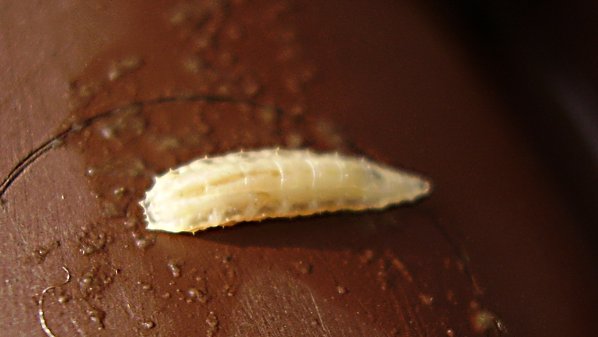

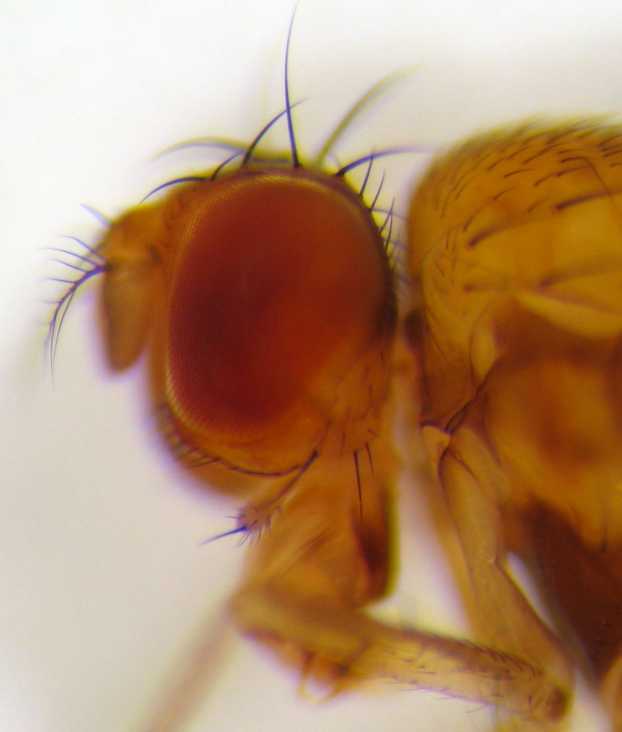

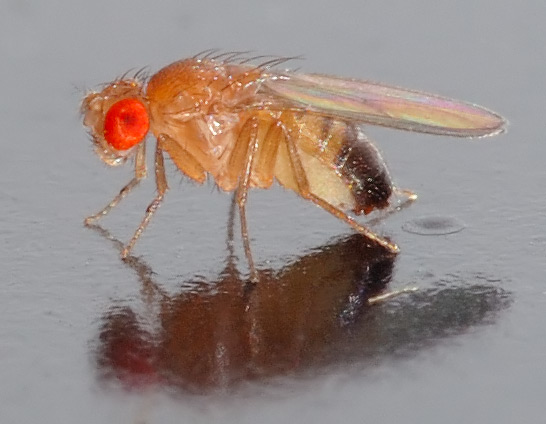
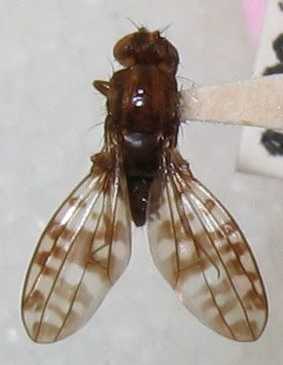
Characteristics and life cycle
Adults are typically compact, with a rounded thorax and conspicuously patterned eyes and wings in some species. Many feed on fluids such as nectar or the juices produced during fermentation. Reproduction generally involves females depositing eggs on or adjacent to decaying fruit or other organic substrates where the emerging larvae can feed. Development proceeds through the familiar stages of egg, larva, pupa and adult; the duration of each stage varies with species and environmental conditions such as temperature and food supply.
Taxonomy and diversity
The genus belongs to the family Drosophilidae and is subdivided into multiple subgenera and species groups. There are well over a thousand described species, ranging in ecology and geographic distribution from cosmopolitan synanthropic species to highly specialized island endemics. Some well-known members include Drosophila melanogaster, a laboratory mainstay, and other species used to study evolution, behavior and ecology. For general reference on the group see species lists and keys.
Importance in research and education
Certain Drosophila species have been central to discoveries in genetics, development and neurobiology. Their short generation times, ease of laboratory culture and compact genomes have made them ideal for mapping genes, studying embryonic patterning and dissecting neural circuits. The genome of several species has been sequenced, and a vast toolkit of genetic methods exists for manipulating and observing genes in vivo.
Ecology, uses and distinctions
Ecologically, Drosophila species act as decomposers and as prey for a variety of predators, while also transporting microbes that contribute to fermentation. Although often called "fruit flies," they differ from some agricultural pests in the family Tephritidae: many drosophilids prefer already-fermenting material rather than healthy fruit, and are therefore less often the primary cause of crop damage. For identification and ecological notes consult guides on small flies and common names and usage.
- Key traits: small size, attraction to fermentation, rapid development.
- Scientific value: model organisms for genetics and developmental biology.
- Ecological role: decomposers, microbe vectors, component of food webs.
Because of their ubiquity and scientific utility, Drosophila continue to be a focal point for studies ranging from basic biology to applied ecology and education. Their diversity offers opportunities to compare evolutionary strategies across habitats and to explore the genetic basis of behavior, physiology and development.
Questions and answers
Q: What is Drosophila?
A: Drosophila is a genus of small flies that are often called fruit flies, vinegar flies, or wine flies and belong to the family Drosophilidae.
Q: Where do many species of Drosophila linger?
A: Many species of Drosophila linger around overripe or rotting fruit.
Q: How is the genus Drosophila split?
A: The genus Drosophila is split down into sub-genera.
Q: What do adults of Drosophila feed on?
A: Adults of Drosophila may feed on nectar.
Q: Where do Drosophila lay their eggs?
A: Drosophila may lay their eggs on or near decaying fruit.
Q: Do all Drosophila species exhibit the same details?
A: No, the details of Drosophila differ greatly from species to species.
Q: How many species are there in the genus Drosophila?
A: There are many species in the genus Drosophila.
Related articles
Author
AlegsaOnline.com Drosophila (fruit flies): biology, diversity, and scientific importance Leandro Alegsa
URL: https://en.alegsaonline.com/art/28999