
Doll: History, Types, Uses, and Cultural Significance
An overview of dolls: their forms, materials, historical roles, uses in play and professional settings, and varieties from baby dolls to action figures and collectible art dolls.
Overview
A doll is a model of a human (often a baby or child) used primarily as a toy but also for artistic, educational and ritual purposes. In everyday language the word covers a broad range of objects—from simple handmade figures to highly detailed, articulated models. Many dolls are intended for imaginative play and caregiving practice, while others are created for display, collection, or professional training.
Image gallery
10 Images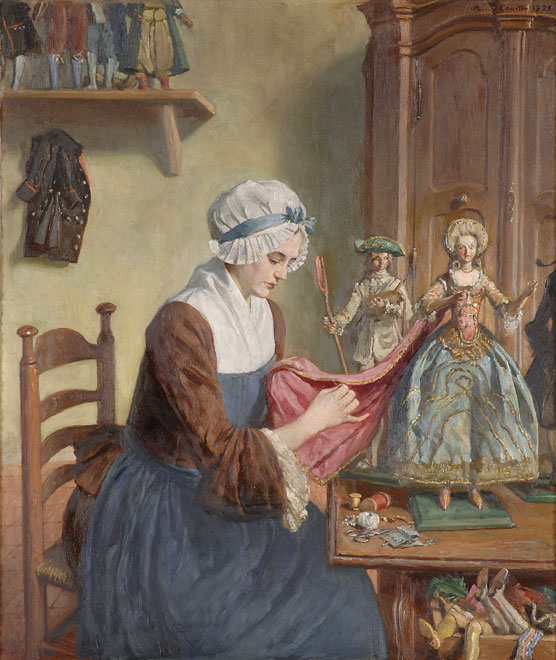


Appearance, parts and materials
Dolls vary widely in scale, realism and complexity. Basic parts include a head, torso, limbs and clothing; more elaborate examples may have moving joints, rooted hair, painted or inset eyes, and electronic features. Traditional and modern materials include:
- Natural materials: wood, cloth, bone, clay and paper.
- Ceramics and composites: porcelain, bisque and china, used for detailed collectible faces.
- Elastomers and plastics: rubber, vinyl and diverse plastics used in mass-produced and articulated dolls.
History and cultural roles
Dolls are among the oldest known human artifacts, appearing in archaeological records across many cultures. Historically they have served not only as playthings but also as teaching tools, votive offerings and ritual objects. Across different societies, dolls have been used in coming-of-age rites, fertility ceremonies, and for storytelling or representing deities. Over time, production evolved from handcrafted figures to industrial manufacture, expanding distribution and variety.
Common types and examples
There are many categories of dolls, some of which overlap. Typical examples include:
- Baby dolls, designed to resemble infants and used for nurturing play.
- Fashion dolls, created to display clothing and evolving styles.
- Articulated and ball-jointed dolls, used by artists and collectors for posing and display; these are a specific collectible form often sought for customization. Ball-jointed dolls
- Action figures, a term for poseable figures that often represent heroes, soldiers or fictional characters. Action figures
- Rag dolls and cloth figures, typically soft and homemade or mass-produced as comforting toys. Rag dolls
- Paper dolls and flat figures used for play and custom dressing-up activities.
Uses beyond play
Beyond childhood play, dolls have practical applications. Medical and nursing education uses anatomically representative dolls and manikins to teach procedures and simulate patient care. Social workers and forensic professionals may use models to assist in sensitive investigations. Artists and illustrators often rely on jointed figures to study human posture and proportions. Collectors preserve historically significant or artistically crafted dolls, sometimes regarding them as valuable antiques or examples of material culture.
Safety, collecting and modern developments
Safety standards for children's dolls address choking hazards, toxic materials and mechanical safety; these regulations have influenced design and materials in the mass market. Collecting is an active hobby and market, from antique bisque dolls to limited-edition artist pieces and licensed character figures. In recent decades, technological advances have produced talking dolls, electronic companions and digitally integrated toys, raising questions about privacy, commercialization and the changing role of toys in child development.
For further reading on basic definitions and cultural context, see general resources on toys and play. Child's toy overview and discussions of infant representation baby dolls offer additional perspectives. For specialized collector and craft communities consult dedicated guides and forums. Rag dolls and ball-jointed dolls communities provide examples of traditional and contemporary practices, while action figure collecting highlights the crossover between toys and popular culture.
Related articles
Author
AlegsaOnline.com Doll: History, Types, Uses, and Cultural Significance Leandro Alegsa
URL: https://en.alegsaonline.com/art/28224