
Dogras: People, language and cultural identity of the Jammu region
Dogras are an Indo‑Aryan community from the Jammu hills of northern South Asia. They speak Dogri, are predominantly Hindu, and have a distinct history, culture, and regional institutions.
Overview
The Dogras are an Indo‑Aryan ethno‑linguistic community concentrated in the hilly districts of Jammu in South Asia. They form a recognizable regional group with a shared language, customs and historical memory. Most Dogras are settled in the Jammu region but communities also live in neighbouring plains and hill areas.
Image gallery
3 Images

Origins and history
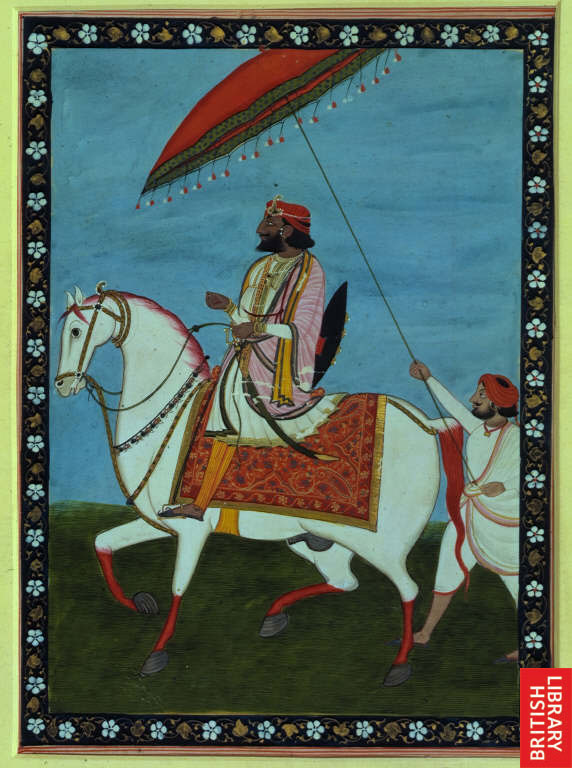
Their origins are commonly associated with northern Indian martial and landed groups; many Dogras trace ancestry to Rajput lineages (Rajput) while their social formation also absorbed local hill populations over centuries. In the 19th century a Dogra dynasty rose to political prominence in the region, creating a princely state centered on the Jammu hills. That period left enduring institutions and symbols connected to the Dogra identity.
Language and identity
Dogri is the principal language of the community. It belongs to the Western Pahari branch of Indo‑Aryan languages and has a rich oral tradition; modern Dogri literature expanded in the 20th century, and the language gained formal recognition in India in recent decades. Historically a Takri script was used locally, though Devanagari is now common for writing.
Geography, religion and society
Dogras are largely concentrated in the Jammu hills and adjacent valleys of Jammu, within the modern state of India. The population is religiously mixed: a Hindu majority is complemented by Sikh and Muslim Dogra communities. Social life blends village and hill practices with features of plains society, producing distinct dress, food and folk arts.
Culture, customs and institutions
- Festivals: local observances align with pan‑Indic festivals (Diwali, Baisakhi) alongside regionally specific fairs and seasonal rites.
- Food and crafts: mountain staples and dairy products (including regional cheeses) feature in Dogra cuisine; traditional embroidery and handicrafts persist.
- Military and civic presence: the name Dogra is also associated with regimental traditions and contributions to regional administration.
Today the Dogra identity remains an active regional culture, expressed through language revival, literature, music and community institutions. Scholarship and local initiatives continue to document their history and folk heritage while situating Dogras within the wider social and political landscape of northern South Asia.
Related articles
Author
AlegsaOnline.com Dogras: People, language and cultural identity of the Jammu region Leandro Alegsa
URL: https://en.alegsaonline.com/art/28195