
Doctors Without Borders (Médecins Sans Frontières): mission, history, and operations
Doctors Without Borders (MSF) is an international medical humanitarian NGO founded in 1971 that provides impartial emergency medical aid in conflicts, epidemics, disasters and areas with limited care.
Overview
Doctors Without Borders, known by its French name Médecins Sans Frontières (MSF), is an independent international medical humanitarian organization founded in 1971 by a group of physicians and journalists to respond rapidly to health crises worldwide. MSF provides urgent medical care to people affected by armed conflict, disease outbreaks, famine, natural calamities and places where health services are absent or inaccessible. Its work is guided by the principles of medical impartiality, independence and neutrality, offering assistance regardless of nationality, race, religion or political affiliation.
Image gallery
10 Images


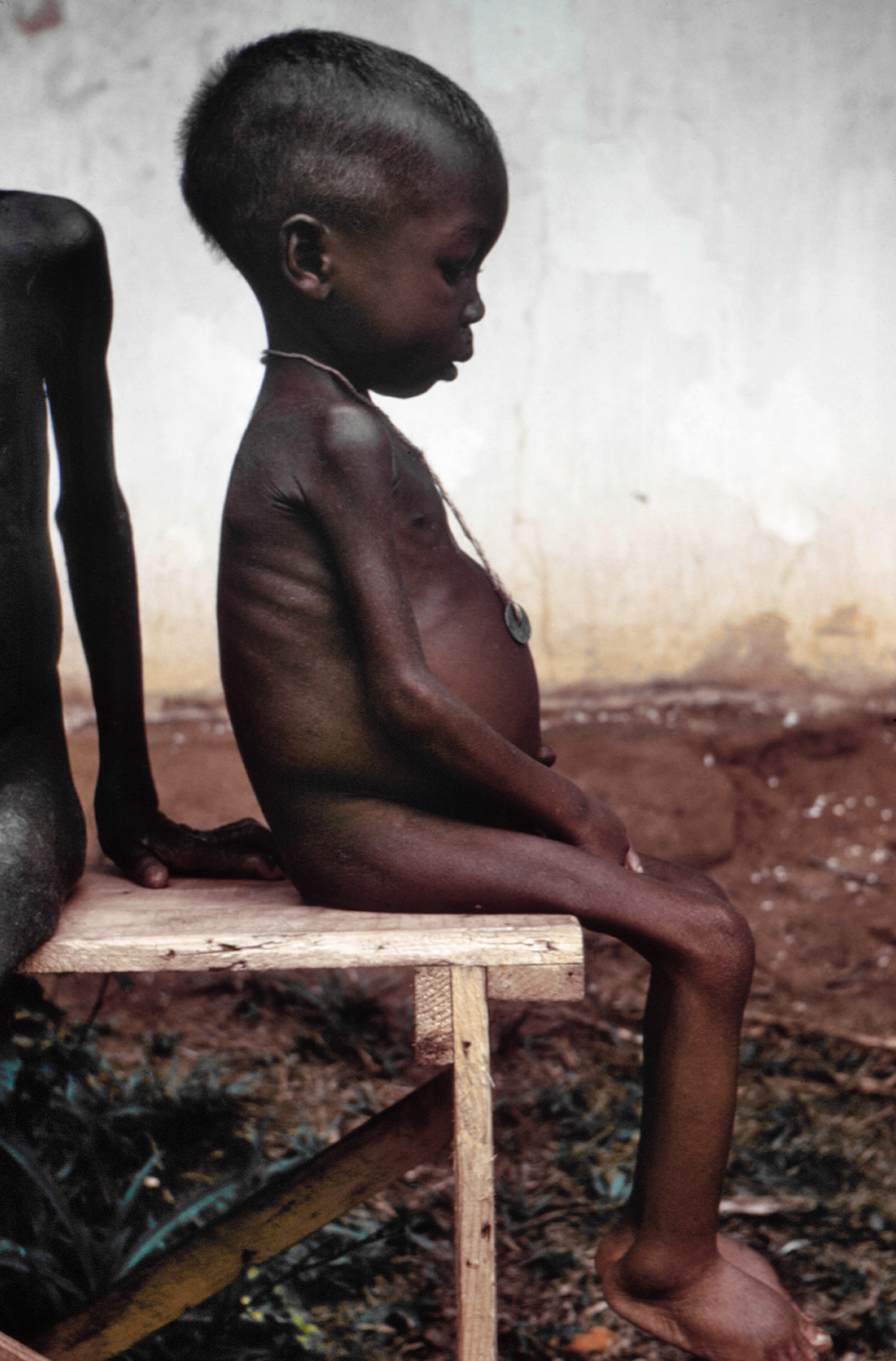


Core characteristics and methods
MSF combines emergency response with longer-term projects where needed. Teams typically include doctors, nurses, logisticians, epidemiologists, mental health specialists and support staff who set up clinics, mobile units and field hospitals. The organization emphasizes rapid deployment and flexible logistics to reach populations in hard-to-access environments.
- Emergency care: rapid response to crises and mass casualty events;
- Outbreak control: surveillance, vaccination campaigns and treatment in epidemics;
- Nutrition and famine relief: therapeutic feeding and community support;
- Reproductive and surgical services: maternity care, trauma surgery and post-operative care;
- Advocacy and bearing witness: public reporting to raise attention to unmet medical needs.
History and development
MSF began in France in 1971 when a small group of clinicians and reporters sought to combine medical relief with testimony about suffering in conflict zones. From those beginnings in France, the movement expanded into a global network that deploys international and locally recruited staff. The organization is funded mostly by private donors to preserve operational independence and avoid reliance on political or governmental funding that might limit access.
Typical contexts and activities
MSF works in a wide range of situations: active wars, sudden natural disasters, long-term humanitarian crises and infectious epidemics. It also addresses chronic shortages of care in underserved areas, provides relief during famine and assists with routine and emergency procedures. The organization is structured to mount immediate interventions (emergency missions) and to sustain projects where continuing presence is required.
Notable recognition and controversies
In recognition of its humanitarian impact and commitment to impartial care, MSF was awarded the Nobel Peace Prize in 1999. The organization has also faced serious challenges: its personnel and facilities have at times been attacked, and health posts have been struck in conflict zones. One highly publicized incident occurred in 2015 when an MSF hospital in Kunduz, Afghanistan, was hit in an airstrike; the strike prompted investigations and officials from the responsible state acknowledged the incident and issued regret, drawing worldwide attention and calls for stronger protection of medical facilities. High-level leaders, including the US president and other officials, addressed the event publicly.
Importance and distinctions
MSF is distinct for its combination of direct medical care and public testimony about humanitarian needs. Its operational independence, emphasis on neutral medical care, and readiness to speak out about causes of suffering set it apart from many service providers that limit advocacy to avoid political complications. Over decades, MSF has become a major actor in global humanitarian response, frequently pioneering approaches to emergency medicine, epidemic control and treatment delivery in resource-poor settings.
Foundational details and the organization's origins are often summarized in accounts of humanitarian aid history; for background on the founders, see references to doctors and journalists involved in its creation. For more on MSF's mission and programs, consult organizational profiles and field reports produced by MSF and independent analyses.
Further resources: conflict response, disease outbreak work, and information about famine relief illustrate the range of MSF activities worldwide.
MSF continues to adapt to changing threats while maintaining the central aim of delivering timely, neutral and independent medical care to populations in greatest need.
Related articles
Author
AlegsaOnline.com Doctors Without Borders (Médecins Sans Frontières): mission, history, and operations Leandro Alegsa
URL: https://en.alegsaonline.com/art/28140
Sources
- doctorswithoutborders.org : "About Doctors Without Borders"
- nobelprize.org : "The Nobel Peace Prize 1999"
- nytimes.com : "Obama Issues Rare Apology Over Bombing of Doctors Without Borders Hospital in Afghanistan"
- worldcat.org : 0362-4331
- wikidata.org : wikidata.org/wiki/Q49330
- catalogue.bnf.fr : cb11877239d
- data.bnf.fr : (data)
- cantic.bnc.cat : a11747717
- ci.nii.ac.jp : DA08640083
- d-nb.info : 5036803-5
- isni.org : 0000 0001 2190 2765
- id.loc.gov : n80059486
- id.ndl.go.jp : 00367357
- aleph.nkp.cz : ko20010087747
- nla.gov.au : 36079791