
Duel: ritualized personal combat to resolve honor disputes
A duel is a formal, often ceremonial combat between two people using comparable weapons under agreed rules to settle matters of honor. It developed in Europe and persisted into the 19th and early 20th centuries.
A duel is a prearranged contest between two individuals who use similar weapons and accept a mutually agreed procedure to settle a dispute of honor. Participants agree to limits and conditions beforehand, and the encounter is distinct from legal or military combat because it is private and governed by social codes rather than state law. Traditionally the aim was to vindicate personal reputation rather than to seek murder, though lethal outcomes were not uncommon.
Image gallery
10 Images


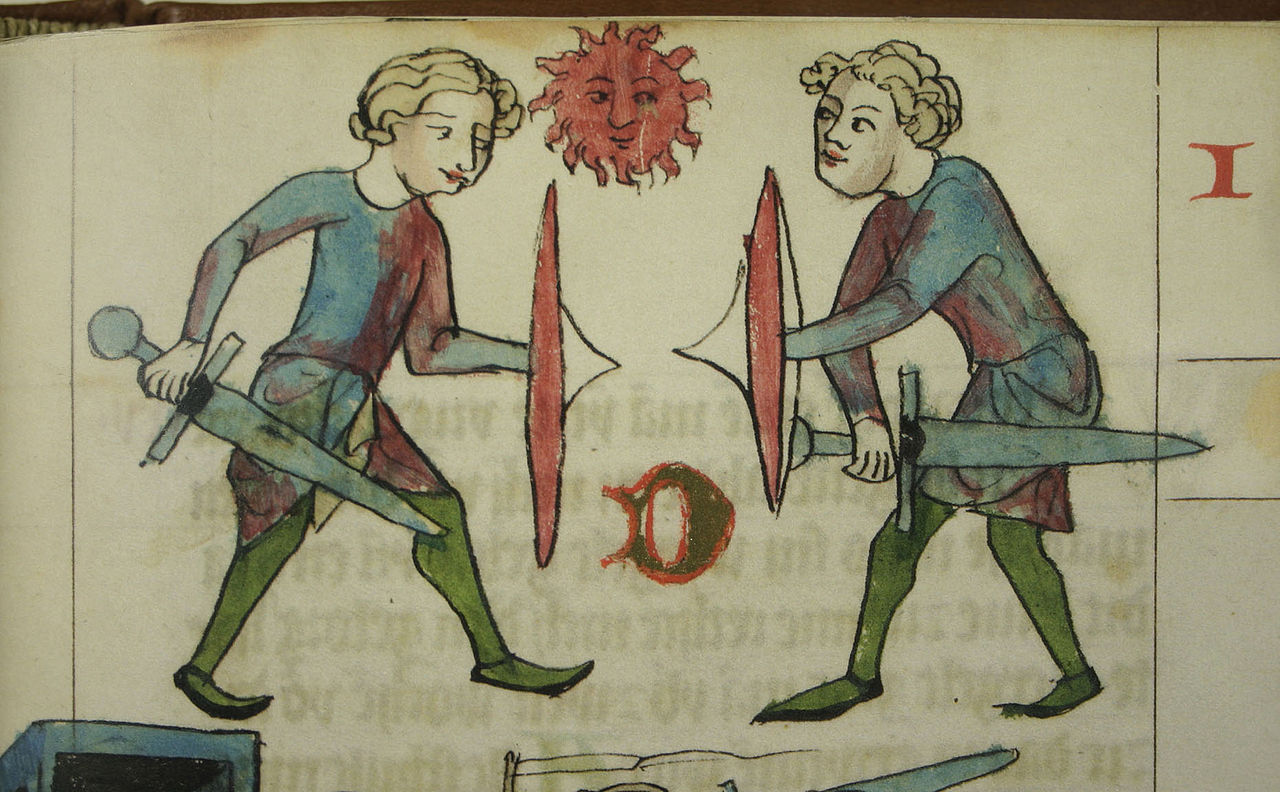


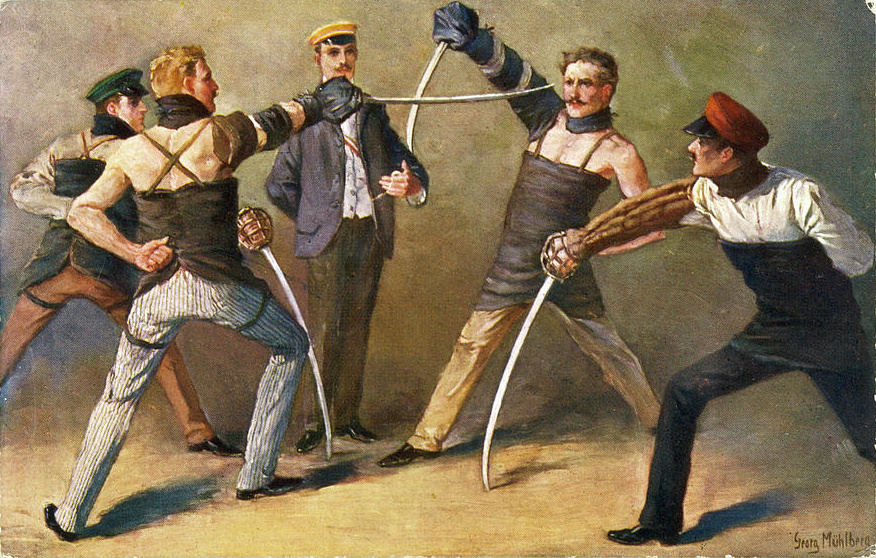
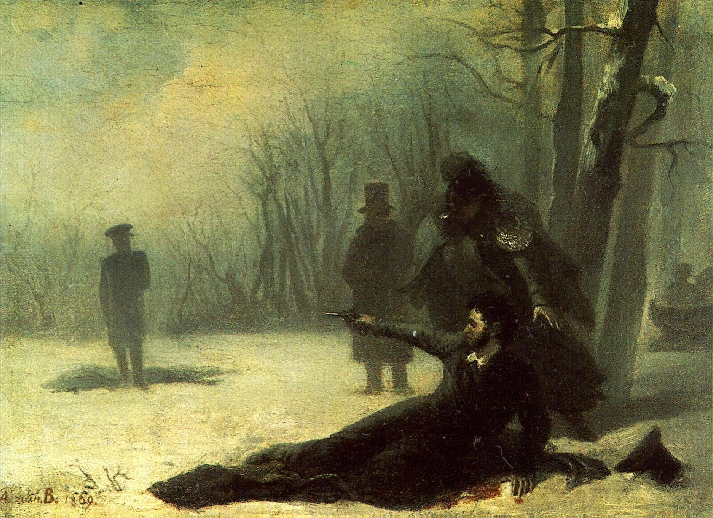
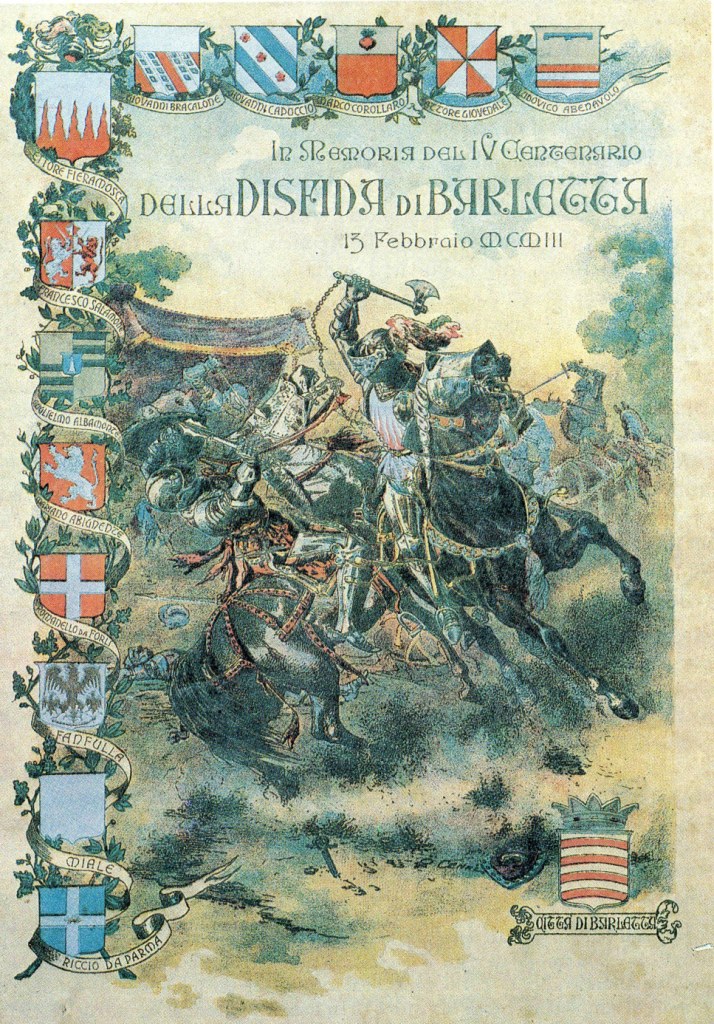
Characteristics and typical procedures
Duels generally share a number of features: the selection of weapons, appointment of intermediaries (often called seconds), a set of rules that define how the meeting proceeds, and an agreed place and time. Common elements include:
- Weapons: matched arms such as pistols or swords chosen for fairness; see weapons.
- Rules: a code or protocol established in advance to govern firing, distance, and conditions for satisfaction; see set of rules.
- Seconds: trusted agents who negotiate, attempt reconciliation, enforce rules and witness the affair.
- Purpose: restoration of honor, public apology, or resolution of a serious insult.
Origins and historical development
The practice evolved from earlier customs of trial by combat and feudal private warfare. In Western Europe dueling became a codified social practice from roughly the 15th century onward and transformed over the centuries into different forms, including sword duels and later pistol duels. By the 20th century institutional opposition and legal prohibition had largely ended the practice in most countries.
Codes, examples and notable incidents
Various manuals—often called codes of dueling—prescribed acceptable causes and procedures. These codes attempted to turn an emotionally charged encounter into a ritual with predictable outcomes. For example, famous historical episodes illustrate how duels intersected with politics and culture; for example, in 1804 the American politicians Aaron Burr and Alexander Hamilton met in a pistol duel that resulted in Hamilton's death, a case frequently cited in discussions of American dueling culture.
Decline, criminalization and modern legacy
Over the 19th and early 20th centuries many states and nations enacted laws banning dueling or penalizing participants. The shift reflected changing social attitudes, campaigns by anti-dueling societies, and the growing authority of state legal systems that sought to replace private violence with public justice. While dueling as a social institution is rare today, it left cultural traces in literature, law, and ceremonial practices; historical dueling pistols and code books are held in museums and private collections, and the term "duel" survives in metaphorical uses.
Distinctions and related practices
It is useful to distinguish duels of honor from other forms of combat: judicial duels or trial by combat were tied to legal claims and often sanctioned by rulers, whereas honor duels were private, socially regulated, and framed around personal reputation. Modern organized combat sports such as fencing have roots in historical swordsmanship but are regulated by sporting institutions rather than personal codes.
Understanding duels involves recognizing their hybrid character as both ritual and violent contest: a structured encounter meant to make an ethical or social statement, carried out with instruments capable of causing grave harm. The subject remains part of legal and cultural history, illustrating how communities have sought to manage conflict where law, honor and violence intersect.
Questions and answers
Q: What is a duel?
A: A duel is a fight between two people who have similar deadly weapons and have agreed to a set of rules before the fight takes place.
Q: What is the goal of a duel?
A: The goal of a duel is not usually to kill the opponent but to restore the honor of the man who declared the duel.
Q: Were duels official laws?
A: No, duels were not official laws. They were carried out by individuals.
Q: When were duels practiced in Western societies?
A: Duels were practiced from the 15th to 20th century in Western societies.
Q: Can you give an example of a duel?
A: In 1804 in the United States, the politicians Aaron Burr and Alexander Hamilton had a duel.
Q: Why were duels outlawed in the US?
A: Duels were outlawed in the US because groups against dueling formed and were successful. Since the American Civil War, all US states have criminalized dueling, with punishments for dueling ranging from not being allowed to run for public office to the death penalty.
Q: What was the main reason for duels to take place?
A: The main reason for duels to take place was usually about a matter of honor.
Related articles
Author
AlegsaOnline.com Duel: ritualized personal combat to resolve honor disputes Leandro Alegsa
URL: https://en.alegsaonline.com/art/29139