
Dunblane massacre (1996 school shooting in Scotland)
On 13 March 1996 a gunman attacked Dunblane Primary School in Scotland, killing 16 children and a teacher; the tragedy prompted national grief and led to tighter firearm controls in Great Britain.
Overview

Image gallery
5 Images
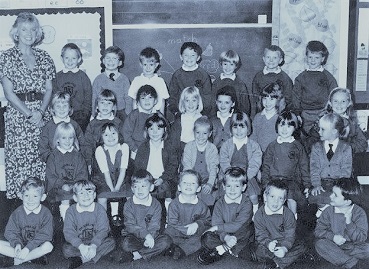



The attack and immediate facts
The shooting took place inside school premises while pupils were gathered for an indoor activity. Emergency services responded quickly, and survivors were treated at nearby hospitals. The scale and nature of the killings prompted extensive media coverage and emergency inquiries. Key facts often noted include:
- Date: 13 March 1996
- Location: Dunblane Primary School
- Fatalities: sixteen children and one teacher
- Perpetrator: Thomas Hamilton (died at the scene)
Perpetrator background and investigations
The attacker was a local man who had been involved with youth groups and community activities. Prior to the shooting there had been concerns and complaints to authorities about his behaviour; those complaints did not result in criminal convictions. The incident prompted formal police investigations and a public inquiry to examine the circumstances that allowed the attack to occur.
Aftermath, inquiry and legislation
In the months after the tragedy a public inquiry examined the events and institutional responses. The massacre generated an intense public campaign for change that included petitions and advocacy by families and community groups. It led directly to new firearms legislation in Great Britain: measures that substantially restricted private ownership of handguns and tightened licensing rules. These laws are commonly referred to collectively as the post‑Dunblane Firearms Acts (legislative reforms).
Memorials and significance
The victims are commemorated by local memorials and annual remembrances. The event had a lasting impact on policing, school security, public attitudes to guns and the legislative landscape for firearms in the United Kingdom. It remains a reference point in discussions about gun control, public safety and the balance between civil liberties and measures intended to prevent mass-casualty incidents.
Notable distinctions
The Dunblane killings are notable both for the age of the victims and for the swift legislative outcome that followed. While other countries have experienced high-profile mass shootings, the combination of the attack's location, the victims involved and the political response marks Dunblane as a pivotal moment in late 20th-century British social and legal history.
Questions and answers
Q: Where did the Dunblane massacre take place?
A: The Dunblane massacre took place at Dunblane Primary School in Dunblane, Stirlingshire, Scotland.
Q: When did the Dunblane massacre take place?
A: The Dunblane massacre took place on 13 March 1996.
Q: Who was responsible for the Dunblane massacre?
A: Thomas Hamilton was responsible for the Dunblane massacre.
Q: How many children and a teacher were killed in the Dunblane massacre?
A: 16 children and a teacher were killed in the Dunblane massacre.
Q: Did the Dunblane massacre lead to any changes in gun laws in Great Britain?
A: Yes, the Dunblane massacre led to two new Firearms Acts being passed in Great Britain. These acts greatly restricted private ownership of firearms.
Q: What is the importance of the Dunblane massacre?
A: The Dunblane massacre is the deadliest mass shooting in British history and led to significant changes in gun laws in Great Britain.
Q: Did the perpetrator of the Dunblane massacre survive?
A: No, the perpetrator of the Dunblane massacre, Thomas Hamilton, committed suicide after killing 16 children and a teacher.
Related articles
Author
AlegsaOnline.com Dunblane massacre (1996 school shooting in Scotland) Leandro Alegsa
URL: https://en.alegsaonline.com/art/29207