
Dublin and Monaghan bombings: 17 May 1974 attacks in the Republic of Ireland
On 17 May 1974 three car bombs in Dublin and one in Monaghan killed 33 people and injured nearly 300. The attack, attributed to the Ulster Volunteer Force, remains the deadliest incident of the Troubles.
Overview
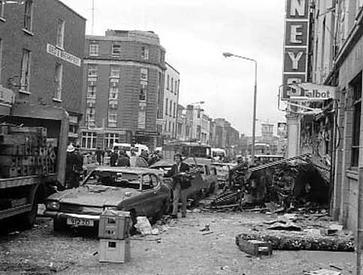
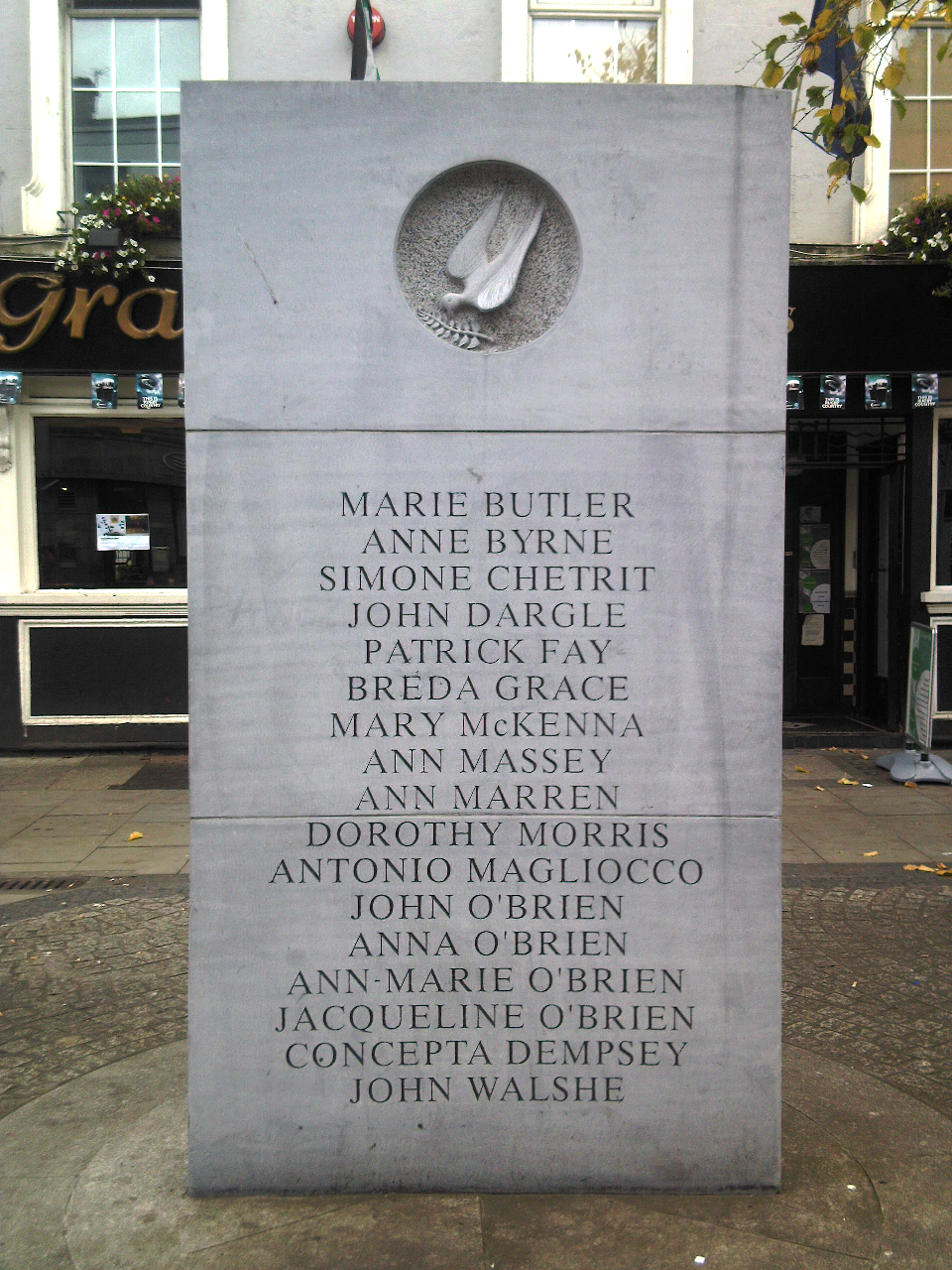
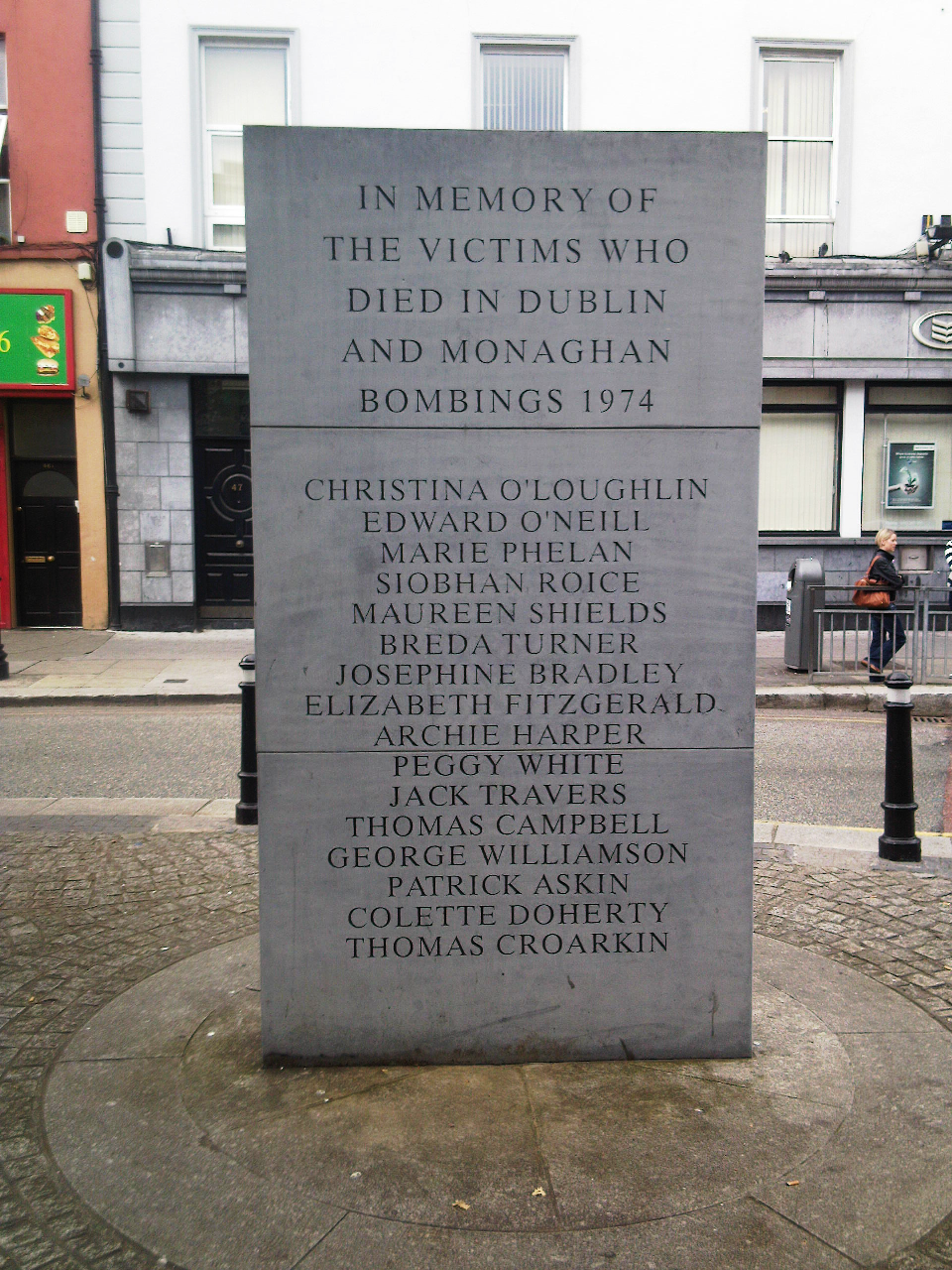
On 17 May 1974 a coordinated set of explosions struck the Republic of Ireland: three devices detonated in central Dublin and a fourth exploded in Monaghan. The bombs were placed in cars and exploded during evening hours when streets were busy, resulting in 33 fatalities and close to 300 wounded. The attack is widely regarded as the single deadliest episode associated with the Troubles and the most lethal attack carried out on the territory of the Republic of Ireland during the period.
Image gallery
8 Images


Perpetrators and method
Responsibility for the bombings is generally attributed to the loyalist paramilitary group the Ulster Volunteer Force. The weapons used were car bombs, concealed in vehicles and left at multiple locations. Detonating improvised explosive devices in busy urban streets magnified casualties and damage. The scale and coordination of the attack distinguished it from many other incidents of the era.
Context and background
The bombings took place against a wider backdrop of political turmoil in Northern Ireland and opposition among loyalist groups to initiatives such as power-sharing arrangements and British government policies. The violence was part of a broader pattern of sectarian and paramilitary activity during the early 1970s, when attacks and counter-attacks occurred across the island of Ireland and in Northern Ireland.
Immediate impact and response
The explosions caused significant loss of life, numerous serious injuries and extensive property damage in city centres. Emergency services, hospitals and volunteer organizations faced an acute casualty burden. Public shock and grief were widespread, and the attacks prompted national mourning and condemnation from political leaders across the island and internationally.
Investigations, controversy and legacy
Investigations by the Republic's police and subsequent public inquiries examined the original Garda inquiry and other intelligence records. Reports and campaign groups have raised questions about investigative shortcomings and possible links or foreknowledge involving security forces; these issues remain controversial and subject to political and legal scrutiny. Families of victims pursued further inquiries and public attention, and annual commemorations remember those killed. The bombings continue to shape discussions about accountability, reconciliation and how states investigate politically motivated violence.
Key facts
- Date: 17 May 1974.
- Locations: central Dublin (three bombs) and Monaghan (one bomb).
- Perpetrator group commonly identified: Ulster Volunteer Force.
- Method: multiple car bombs.
- Casualties: 33 dead and nearly 300 injured; the deadliest attack during the Troubles.
Questions and answers
Q: What are the Dublin and Monaghan bombings?
A: The Dublin and Monaghan bombings were a series of bombings that occurred in Dublin and Monaghan, Republic of Ireland, on 17 May 1974.
Q: Who was responsible for the Dublin and Monaghan bombings?
A: The Ulster Volunteer Force was responsible for the Dublin and Monaghan bombings.
Q: What was the motive behind the Dublin and Monaghan bombings?
A: The motive behind the Dublin and Monaghan bombings was to kill as many people as possible and cause terror in the region.
Q: How many people were killed in the Dublin and Monaghan bombings?
A: 33 people were killed in the Dublin and Monaghan bombings.
Q: How many people were injured in the Dublin and Monaghan bombings?
A: Nearly 300 people were injured in the Dublin and Monaghan bombings.
Q: Why were the Dublin and Monaghan bombings significant?
A: The Dublin and Monaghan bombings were significant because they were the deadliest attack in the Troubles and also the deadliest attack in the Republic of Ireland's history.
Q: When did the Dublin and Monaghan bombings occur?
A: The Dublin and Monaghan bombings occurred on 17 May 1974.
Related articles
Author
AlegsaOnline.com Dublin and Monaghan bombings: 17 May 1974 attacks in the Republic of Ireland Leandro Alegsa
URL: https://en.alegsaonline.com/art/29087
Sources
- rte.ie : "Call for probe of British link to 1974 bombs"
- bbc.co.uk : Dublin-Monaghan bombs
- irishtimes.com : "UK urged to Release Dublin and Monaghan Bombing Files"