
Display (zoology): animal signalling for courtship, rivalry and territory
Behaviours animals use to communicate fitness, intent or ownership—courtship displays, threat rituals, territorial signals and species recognition across taxa.
Animal display refers to a range of evolved behaviours that convey information between individuals. Displays can be visual, auditory, chemical, tactile or multimodal, and they frequently influence reproduction, competition and the maintenance of social boundaries. Ethologists study display as a class of signals that are often ritualized — simplified or exaggerated versions of ordinary actions that reliably provoke predictable responses.
Image gallery
6 Images


Forms and typical components
Displays commonly include conspicuous body parts or movements, sounds, scent marks and sometimes built structures. Common components are:
- Visual ornaments: bright plumage, enlarged tails or antlers used to attract or deter.
- Postures and movements: bows, wing spreads, dances and lunges that emphasize size or agility.
- Acoustic signals: songs, calls or drumming to advertise presence or quality.
- Chemical cues: pheromones and scent deposits that mark territory or reproductive state.
Primary functions
Display behaviours serve several adaptive roles. Sexual selection drives many courtship displays, in which one sex—often males—shows traits or behaviours to influence mate choice (courtship displays). In other cases, displays function in contests among same-sex individuals: ritualized threats and postures reduce the need for injurious fights (agonistic displays). Territorial displays advertise ownership of resources to neighbours and strangers (territorial signalling), while species-recognition displays help prevent hybridization by allowing individuals to identify suitable mates.
Evolutionary background and mechanisms
Displays have been shaped by natural and sexual selection. Darwin highlighted how mate choice can favour extravagant traits; later research emphasized signal reliability and trade-offs. Many displays are costly to produce or maintain, making them honest indicators of quality (a concept often discussed as the handicap principle). Ritualization transforms functional actions—such as fighting movements or feeding gestures—into stereotyped signals that reduce ambiguity and the risk of escalation.
Examples across taxa
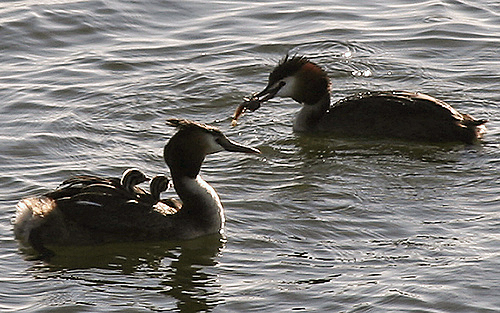
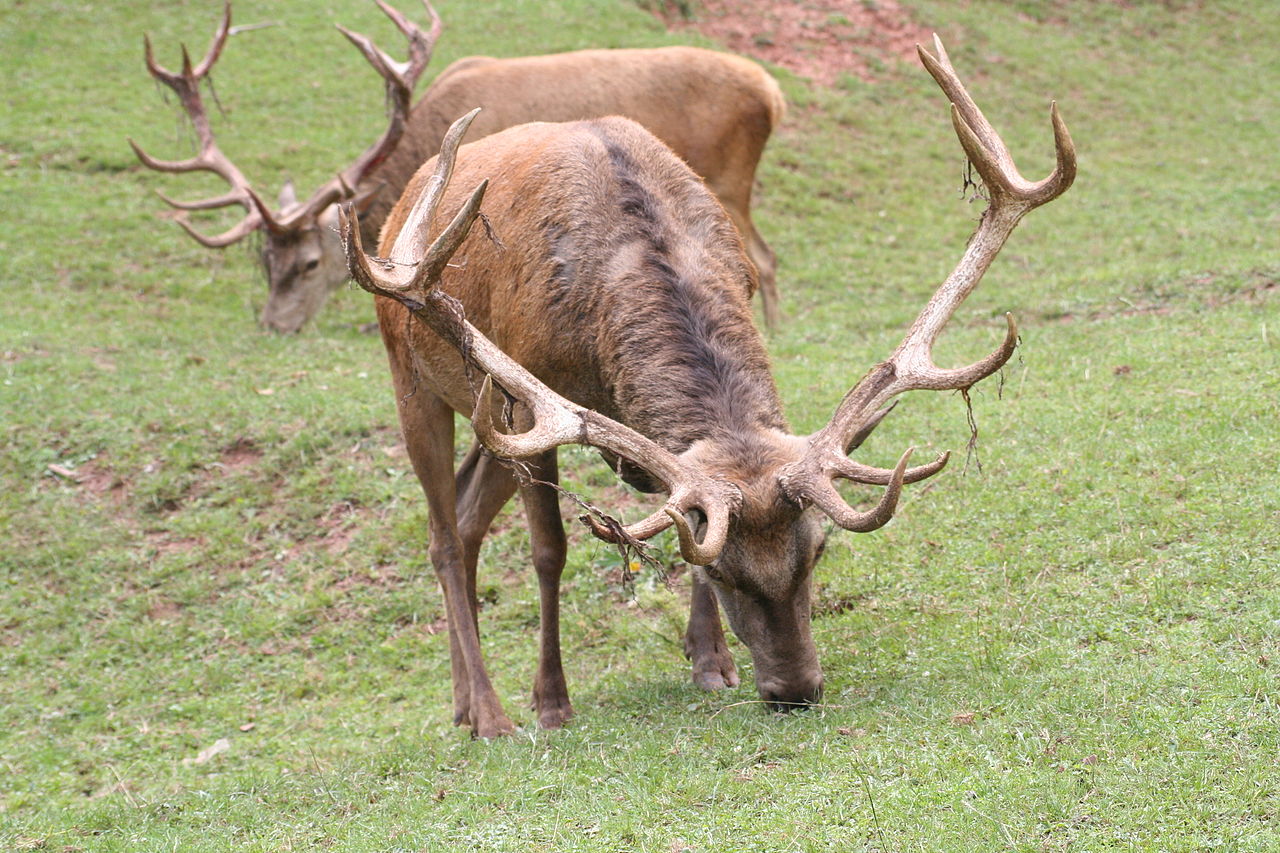
Well-known display examples include the tail fan of peafowl and the dances of birds-of-paradise, which are paradigmatic courtship signals (peafowl displays). Large herbivores and pinnipeds show antlers or body size in contests to establish mating rights (deer and seal contests). Some invertebrates, such as fiddler crabs, wave enlarged claws, while nocturnal fireflies use flashes of light to communicate species identity and reproductive status. Social insects and some birds also use complex communicative acts like the honeybee’s waggle dance to indicate resource location (bee dances).
Ecological importance and notable distinctions
Displays influence mate choice, social hierarchies and space use, and therefore affect gene flow and population structure. They may increase predation risk, so they often balance conspicuousness with survival. Some species switch between showy and cryptic forms seasonally or contextually; others combine modalities (visual plus song) to be effective in different environments (multimodal signalling). Understanding display is important in behavioral ecology, conservation (where signals can be disrupted by habitat change or noise), and in interpreting the evolution of animal communication.
Related articles
Author
AlegsaOnline.com Display (zoology): animal signalling for courtship, rivalry and territory Leandro Alegsa
URL: https://en.alegsaonline.com/art/27709