
Peafowl: species, appearance, behavior, and cultural significance
Peafowl are large pheasants prized for the male’s ornate train. This article covers their taxonomy, physical traits, behavior, distribution, human uses, and conservation, including Asiatic and Congo peafowl.
Overview
Peafowl are large, ground-dwelling birds in the Phasianidae family, closely related to pheasants and other galliforms. The word "peafowl" refers to members of more than one species; males are commonly called peacocks, females peahens, and together they are peafowl. These birds are best known for the male's elongated, iridescent tail coverts—often called a train—which are displayed during courtship and have made peafowl familiar sights in parks and ornamental collections around the world.
Image gallery
10 Images


Species and taxonomy
Peafowl belong to two genera: the Asian genus Pavo, which includes the Indian (blue) and green peafowl, and the African genus Afropavo, represented by the Congo peafowl. In broad terms, peafowl are a type of pheasant, and different species show substantial variation in color, size, and habitat preference. General references often group them by geography: Asiatic peafowl and the solitary African species.
Physical characteristics
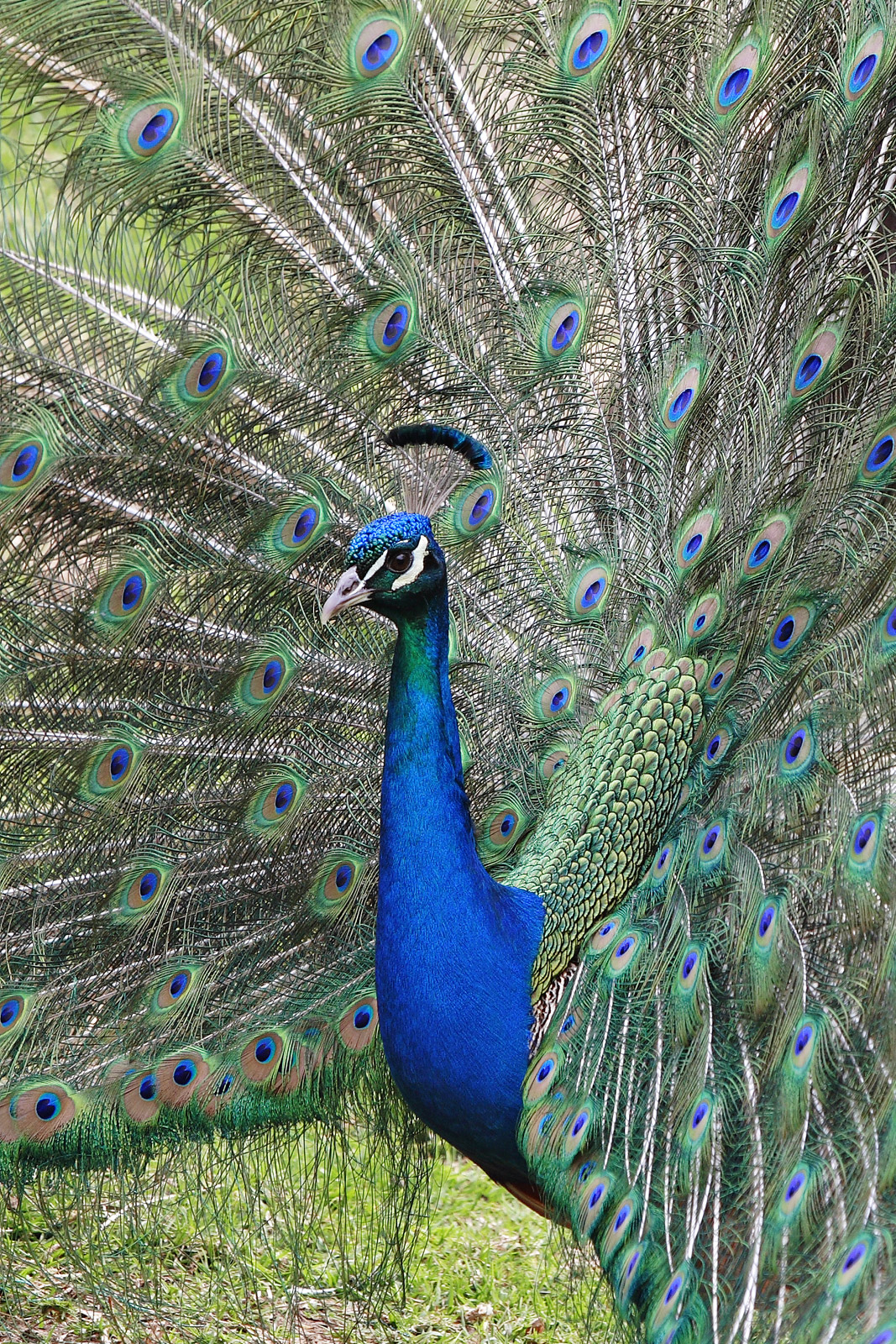
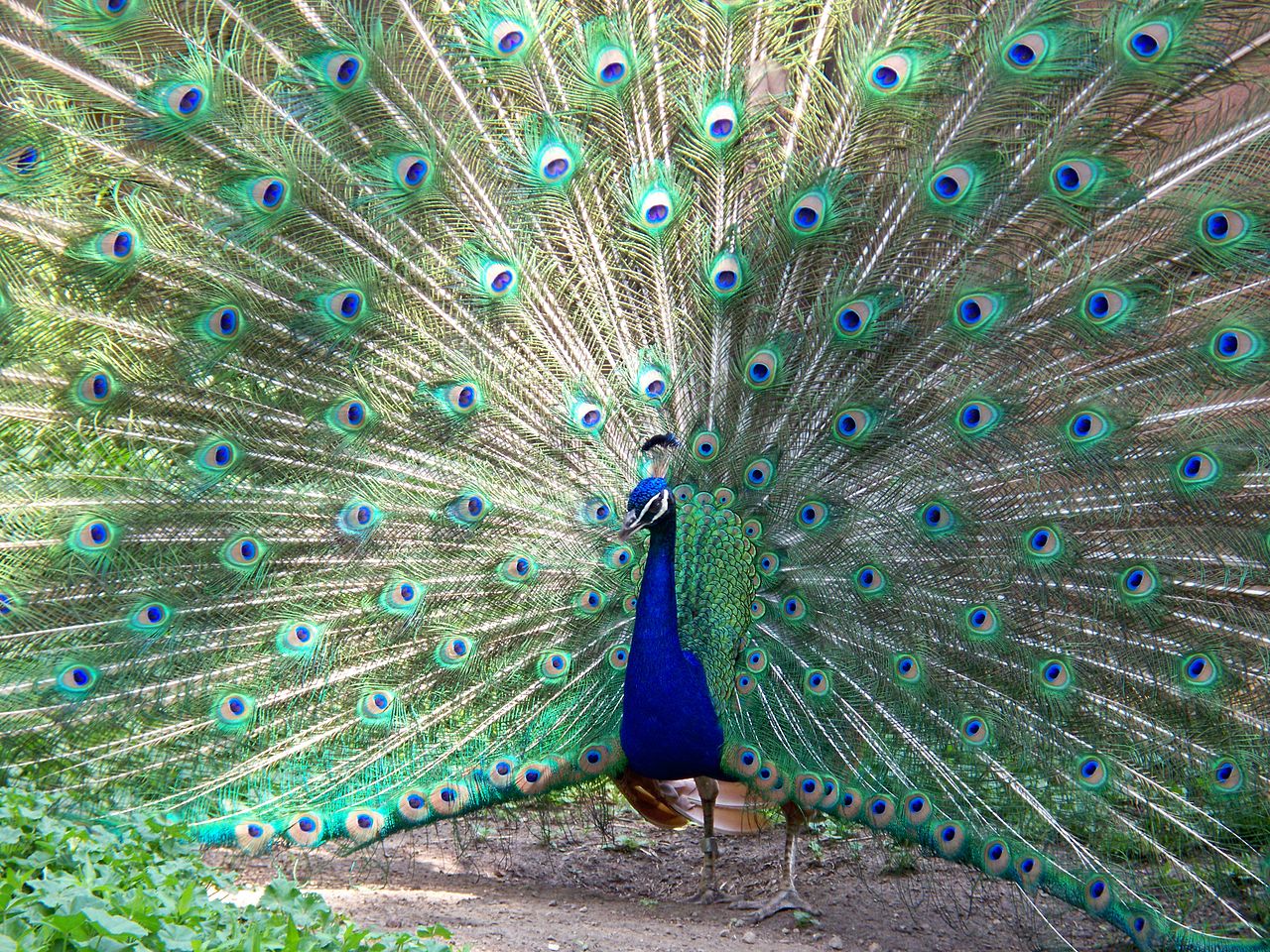
One of the most striking features of peafowl is sexual dimorphism. Males have long upper-tail covert feathers forming a train ornamented with eye-like markings; a mature peacock can have up to around 150 of these decorative feathers. The body plumage of males is typically vivid—metallic blues and greens in the Indian and green peafowl—while females are more subdued, with mottled browns and greens that provide camouflage while nesting. Both sexes carry a small crest on the head and have strong legs adapted for scratching the ground.
Distribution, habitat and behavior
Asiatic peafowl are native to South and Southeast Asia and occupy a range of habitats from open forest to cultivated areas. The Congo peafowl is native to central African forests and is notable as the only member of this group with a primarily African distribution; it is often highlighted for its distinct evolutionary history outside Asia. Peafowl are omnivorous, feeding on seeds, insects, small vertebrates and plant material. Males perform elaborate courtship displays—fanning the train, rattling, and calling—to attract females, and both sexes roost in trees when not foraging.
Human uses and cultural importance
For centuries peafowl have been kept for decoration, symbolism and food. Their striking appearance has made them popular in gardens, parks, and aviaries worldwide. Feathers and motifs derived from peafowl appear in art, textiles and religious iconography in many cultures. Historically they were hunted for meat and prestige; today they remain important in traditional practices and as ornamental birds in private and public collections. Practical care for captive peafowl emphasizes space, protection from predators, and opportunities for natural behaviors.
Conservation and notable facts
Conservation status varies by species and region. The Indian peafowl has been widely protected and is common in parts of its range, while the green peafowl and the Congo peafowl face greater pressures from habitat loss and hunting, and are of conservation concern in some countries. Peafowl illustrate several biological concepts—from sexual selection, through the evolution of extravagant ornaments, to human-driven changes in distribution. For further reading on taxonomy and species lists see species resources and broader family accounts; for natural history and care, consult avian and wildlife guides linked here Phasianidae overview.
- Key genera: Pavo (Asiatic peafowl), Afropavo (Congo peafowl)
- Common names: peacock (male), peahen (female), peafowl (collective)
- Distinctive trait: elaborate male train with eye-spots (up to ~150 feathers)
- Related topics: pheasants, species classification, and distribution outside Asia
Questions and answers
Q: What is a peafowl?
A: A peafowl is a bird of the Phasianide family, which is a relative of the pheasant.
Q: How many species of peafowl are there?
A: There are two species of peafowl: the Asiatic peafowl (Pavo) and the Congo peafowl (Afropavo congensis).
Q: Where did the Congo peafowl originate?
A: The Congo peafowl is the only member of the pheasant family that originated outside Asia.
Q: How many brightly colored feathers can a male peafowl have on its tail coverts?
A: The male peafowl can have up to 150 brightly colored feathers on its tail coverts.
Q: For what have peafowl been admired for centuries?
A: Peafowl have been admired for their beauty for centuries.
Q: What were peafowl hunted for?
A: Peafowl were hunted for their meat.
Q: Why have peacocks become more popular in parks and gardens recently?
A: Peacocks have become more popular in parks and gardens recently as people are admiring their beauty.
Related articles
Author
AlegsaOnline.com Peafowl: species, appearance, behavior, and cultural significance Leandro Alegsa
URL: https://en.alegsaonline.com/art/75342