
Disney's Animal Kingdom — Walt Disney World theme park focused on animals and conservation
A comprehensive overview of Disney's Animal Kingdom: its layout, attractions, conservation mission, history, notable features like the Tree of Life, and its role within Walt Disney World Resort.
Overview
Disney's Animal Kingdom is a major theme park located within the Walt Disney World Resort near Orlando, Florida. Opened on April 22, 1998 as the resort's fourth gate, the park covers more than 500 acres, making it the largest Disney theme park in the world by land area. Rather than centering on fairy tales or movie franchises, the park emphasizes living animals, natural habitats and wildlife conservation, continuing a philosophy inspired by Walt Disney himself.
Image gallery
10 Images


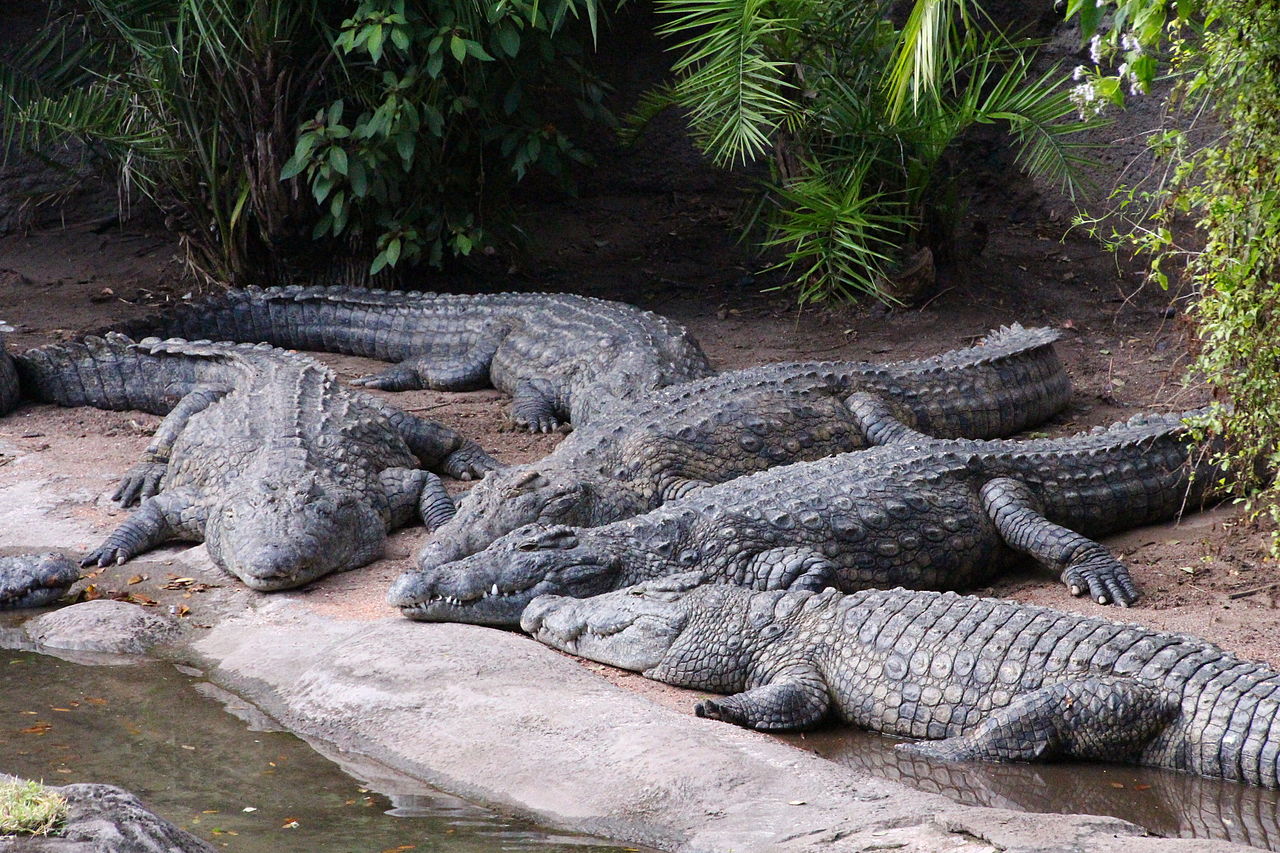


Layout and major features
The park is organized into themed areas that blend rides, animal exhibits and immersive environments. Key lands include Oasis and Discovery Island at the park's center; Africa and Asia with safari and cultural experiences; DinoLand U.S.A. with paleontology-themed attractions; Rafiki's Planet Watch, which focuses on animal care and veterinary science; and the bioluminescent world of Pandora, added later to expand the park's appeal. Prominent landmarks include The Tree of Life, a sculpted artificial tree more than 140 feet tall whose trunk carries hundreds of animal carvings.
Notable attractions and experiences
- Kilimanjaro Safaris — an open-air vehicle tour through replicated African savanna habitats.
- Expedition Everest — a high-speed roller coaster themed to Himalayan adventure and folklore.
- Pandora — The World of Avatar — an immersive land with attractions that showcase nighttime lighting effects and unique scenery.
- Conservation stations — hands-on exhibits and backstage glimpses at animal care work.
Conservation, research and education
From its opening the park has promoted wildlife protection. Disney's Animal Kingdom participates in breeding programs, field research and public education initiatives. It is accredited by the Association of Zoos and Aquariums, a designation that recognizes standards in education and conservation and research. Interpretive signage, guided tours and trained cast members present conservation messages alongside entertainment.
History and identity
At launch, the park was marketed using the coined term "nahtazu" (pronounced "not a zoo") to emphasize that it offered immersive landscapes and attractions beyond a conventional city zoo. The campaign was retired in the mid-2000s, but the idea — that the site is both a park and a conservation campus — endures. The park's artwork and construction used diverse materials; for example, many of the sculpted leaves are made from synthetic materials such as resin and detailed surface work on the Tree of Life evokes bark where stylized animal figures are carved into the surface (bark motifs).
Visitor numbers and cultural impact
Disney's Animal Kingdom quickly became one of the most visited parks in the United States. In 2009 it hosted roughly 9.6 million guests, ranking among the top attractions nationally and globally. Beyond attendance figures, the park influenced how themed entertainment integrates living collections with storytelling. It combines traditional attractions with active animal care, making wildlife stewardship a visible part of a leisure destination. For practical information such as tickets, hours and seasonal events, consult official sources associated with the resort and park operations (animals, conservation, leaves, United States).
Distinctive facts and visitor tips
The park's identity rests on several distinctive elements: naturalistic habitats, live animal encounters, evening shows and landmark design. Known historical touches include the park's opening date and its status as the resort's fourth gate. Guests often plan safaris and popular attractions early in the day to avoid long waits, and nighttime lighting—especially in Pandora—adds a very different atmosphere. For further reading about the park's design, conservation work and guest services, official park materials and professional conservation organizations provide reliable detail (theme park, Walt Disney World Resort, Orlando, Disney, philosophy, nahtazu, Conservation and Research, resin, leaves, Walt Disney, Education, not a zoo, bark, animal, conservation, United States).
Questions and answers
Q: What is Disney's Animal Kingdom?
A: Disney's Animal Kingdom is a theme park at the Walt Disney World Resort near Orlando, Florida, United States. It was the fourth park built there and opened on April 22, 1998. It is the largest Disney theme park in the world, covering more than 500 acres (202 ha).
Q: When did it open?
A: Disney's Animal Kingdom opened on April 22, 1998.
Q: What philosophy does it follow?
A: The park follows a philosophy of animal conservation that was pioneered by Walt Disney himself.
Q: Is it accredited by any organizations?
A: Yes, Disney's Animal Kingdom is accredited by the Association of Zoos and Aquariums meaning they have met or exceeded standards in Education, Conservation and Research.
Q: What is the symbol of this park?
A: The symbol of Disney's Animal Kingdom is The Tree of Life which is a sculpted 14-story (145-foot-tall [44 m]), 50-foot-wide (15 m) tree made out of resin with 325 animals carved into its bark.
Q: How many visitors does this park receive annually?
A: In 2009, the park had around 9.59 million guests ranking it as the fifth most visited amusement park in the United States and eighth most visited in the world.
Q: What was "nahtazu" used to advertise this park?
A:"Nahtazu" was a fictional word used to advertise this park when it first opened stating that it was more than just a city zoo but has since been discontinued in January 2006.
Related articles
Author
AlegsaOnline.com Disney's Animal Kingdom — Walt Disney World theme park focused on animals and conservation Leandro Alegsa
URL: https://en.alegsaonline.com/art/27696
Sources
- wdwinfo.com : "Disney's Animal Kingdom"
- disney.go.com : "Environmentality: Disney and the Environment"
- aza.org : "List of Accredited Zoos and Aquariums" · web.archive.org
- teaconnect.org : "TEA/ERA Theme Park Attendance Report 2009"
- allears.net : "Dinoland U.S.A. - Disney's Animal Kingdom"