
Discoglossidae — disc‑tongued frogs: overview, genera, distribution and biology
A concise encyclopedia entry on Discoglossidae, the traditional group of disc‑tongued frogs: their defining features, genera (Alytes and Discoglossus), distribution, life cycle, and conservation notes.
Overview
The name Discoglossidae refers to a traditional family of primitive frogs sometimes called the disc‑tongued frogs. The group is best known for two small genera and several species with life histories tied to temperate habitats. Modern classifications have revised amphibian families, but the term remains useful in historical and comparative contexts. For a general reference on the family concept see family and for the broader amphibian context see frogs. The common English name is often written as Disc‑Tongued Frogs.
Image gallery
8 Images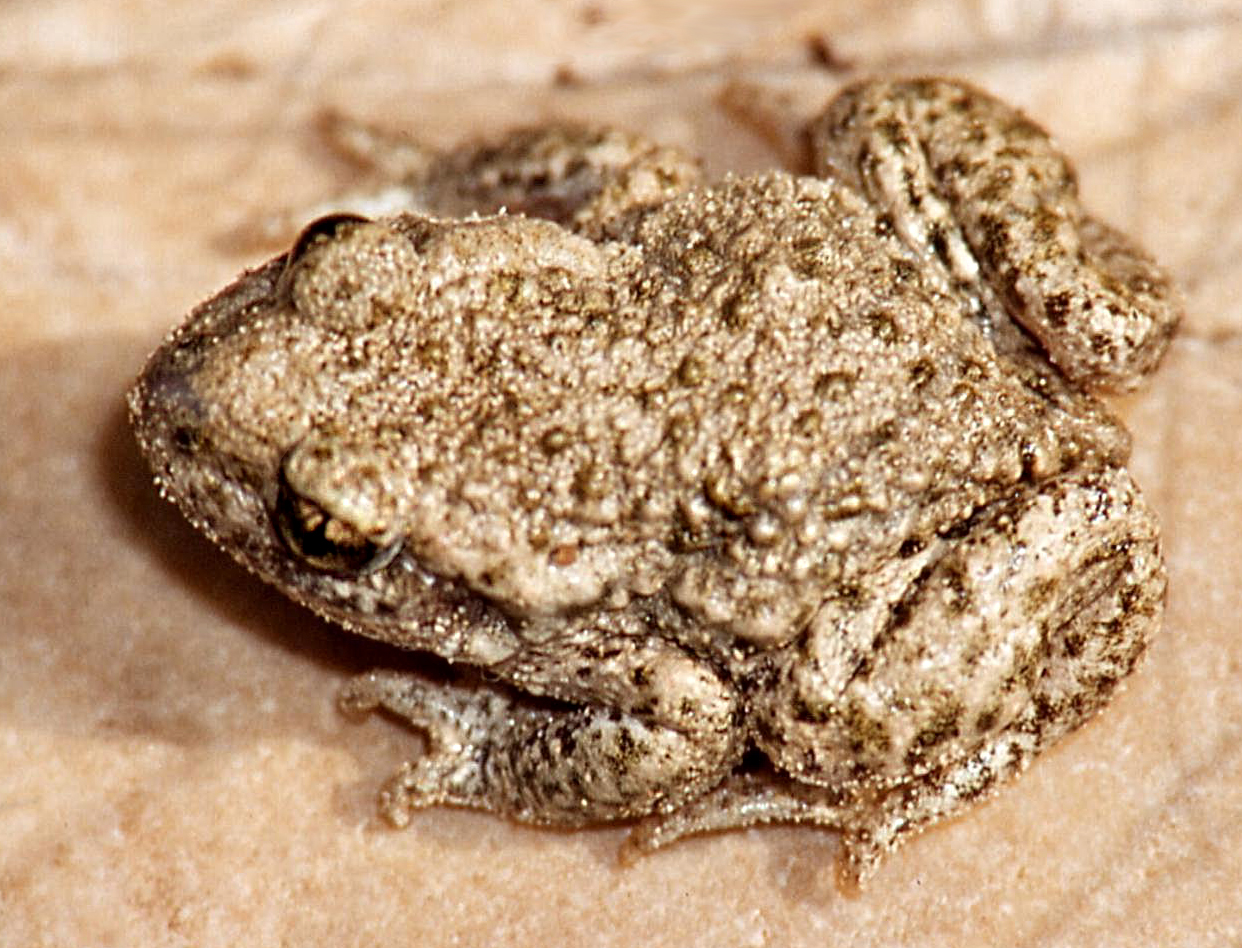




Key characteristics
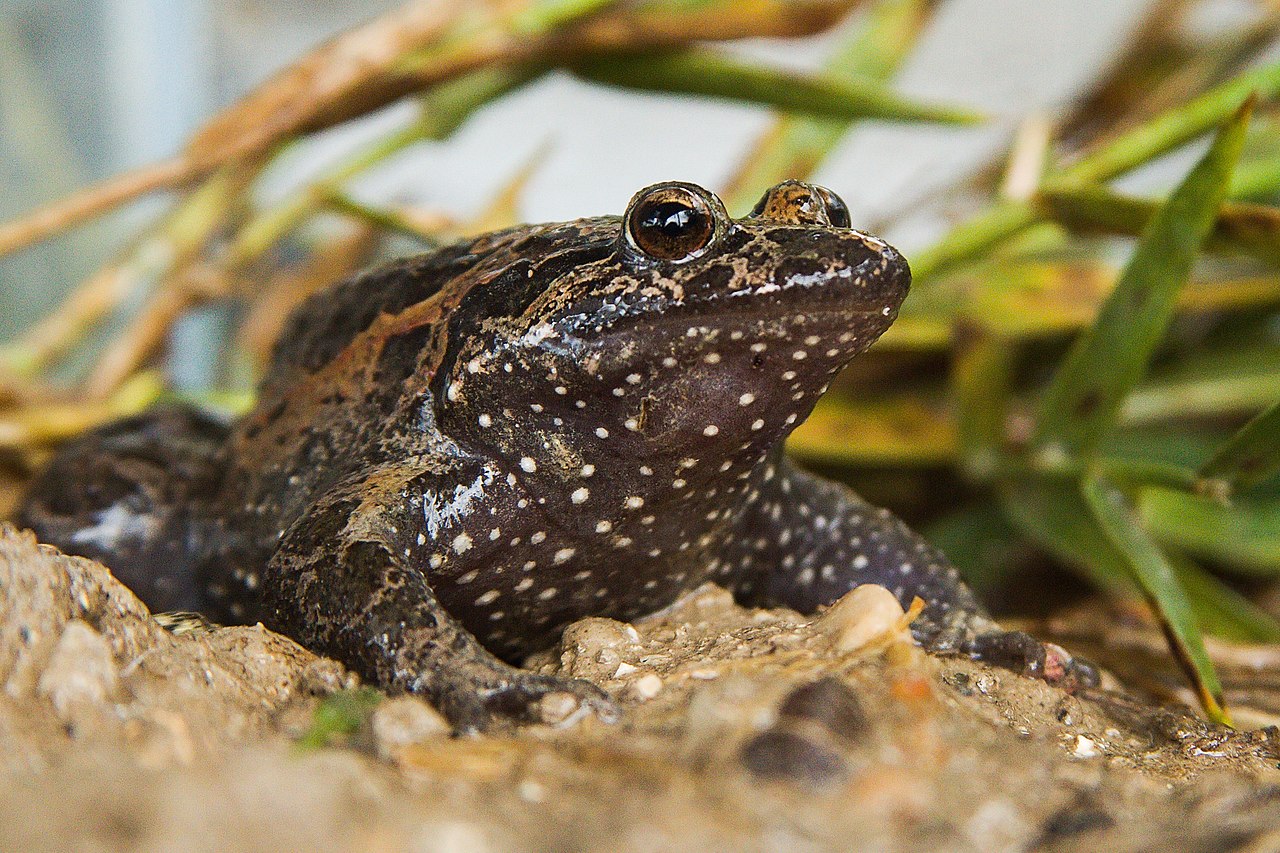
Members traditionally assigned to Discoglossidae share a mix of primitive skeletal and soft‑tissue characters and a generally squat body form. Typical traits include short limbs, a rounded head, and a tongue structure that inspired the name. In habit and appearance some species resemble toads, while others are more frog‑like.
- Body: compact, often warty or smooth skin depending on genus.
- Limbs: relatively short—adapted for walking or short hops.
- Reproduction: eggs laid in water and an aquatic tadpole stage.
Genera and notable differences
The traditional family contains two principal genera: Alytes and Discoglossus. Alytes are the midwife toads; they are generally terrestrial, have smoother skin, and males famously transport eggs wrapped around their hind legs until hatching. Discoglossus species tend to live closer to water, have a more rounded, toad‑like look, and deposit their eggs directly in aquatic sites.
Distribution and fossil record
Species historically placed in this family occur mainly across southern and western Europe and parts of North Africa. Contemporary records show populations in Europe and isolated occurrences in northeastern Africa. The fossil record also preserves extinct relatives; paleontological finds indicate past occurrences in regions such as the Levant, with at least one extinct species reported from what is today Israel.
Life cycle and ecology
Most species lay eggs in still or slow‑moving water such as ponds and pools. Eggs are deposited as strings or clumps and develop into free‑swimming tadpoles that metamorphose into terrestrial or semi‑aquatic juveniles. Suitable breeding sites (shallow ponds, ditches, seasonal pools) are essential; many accounts mention reliance on ponds for reproduction.
Conservation and significance
Habitat loss, water pollution, disease and climate change threaten amphibians broadly, and species associated with the traditional Discoglossidae are no exception. Because of their restricted ranges and specific breeding requirements, local populations may be vulnerable. Understanding their natural history—body form, reproductive strategies such as the Alytes male egg‑carrying behavior, and habitat needs—helps guide conservation actions.
For additional resources and species lists consult general amphibian references and taxonomic databases via family summaries, field guides on frogs, and regional conservation assessments (common name overview). Other useful starting points include regional checklists (Europe, North Africa) and paleontological reports (Levant fossils).
Related articles
Author
AlegsaOnline.com Discoglossidae — disc‑tongued frogs: overview, genera, distribution and biology Leandro Alegsa
URL: https://en.alegsaonline.com/art/27646