
Dogue de Bordeaux (French Mastiff) — characteristics, history and care
Large French mastiff breed noted for its massive head, muscular build and calm loyalty. Overview of appearance, temperament, history, health concerns and practical care.
Overview
The Dogue de Bordeaux, often called the French Mastiff or Bordeaux Mastiff, is a heavy, muscular molosser-type dog originating in southwestern France. Bred for strength and presence, the breed is known for its huge head, solid bone structure and dignified but relaxed manner. Today it is kept as a family companion, guardian and show dog.
Image gallery
10 Images





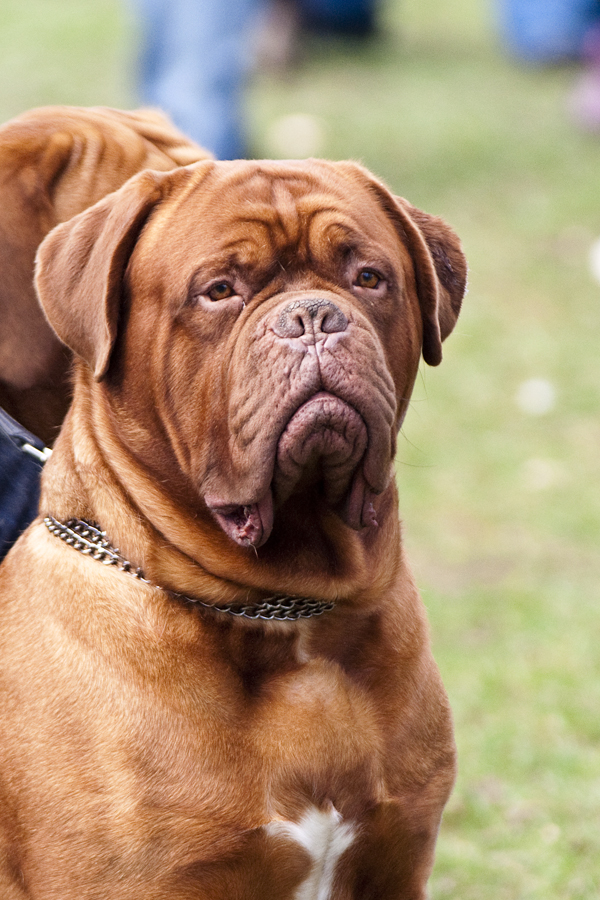
Physical characteristics
Dogues are among the most powerfully built domestic dogs. Adults commonly stand well over 50 cm at the shoulder and may reach 60–70 cm (about 24–28 inches) or more; body weight is substantial, often exceeding 50 kg (100+ lb) in large males. Coat color tends toward shades of fawn, from pale to deep mahogany. The coat is short and low-maintenance, while the breed’s most striking feature is its broad, heavy head with loose facial skin and pronounced wrinkles.
Temperament and training
Despite an imposing appearance, the Dogue de Bordeaux is typically affectionate and loyal with known people. It can be protective and reserved with strangers, which makes firm, consistent training and early socialization important. They respond best to patient, positive methods; their independent streak means training should be engaging and regular. When raised and socialized properly they are often gentle with children, though supervision is recommended because of the dog’s large size.
Health, lifespan and care
As a very large, short-nosed breed, the Dogue de Bordeaux is predisposed to a number of health issues common to mastiffs. Lifespan is shorter than for many smaller breeds. Common concerns include:
- Joint conditions such as hip and elbow dysplasia
- Cardiac problems, including certain forms of heart disease
- Brachycephalic (short-nosed) breathing difficulties and heat sensitivity
- Obesity-related issues if calorie intake and exercise are not balanced
Care focuses on controlled exercise, careful feeding to avoid rapid growth and excess weight, regular veterinary screening for hips and heart, and routine cleaning of facial wrinkles. Their coat needs only occasional brushing, but drooling and skin folds require hygienic attention.
History and development
The breed descends from ancient mastiff-type dogs once common throughout Europe. In southwestern France the type was adapted for guarding estates, pulling carts and assorted heavy work on farms and around towns. Over time the Dogue de Bordeaux developed a distinct local identity linked to the Bordeaux region. Like many large European breeds it faced decline in the 20th century but was preserved through the efforts of enthusiasts and kennel clubs; it is now acknowledged by major national and international canine organizations.
Uses and notable facts
Modern Dogues often serve as companions, family guardians and show entries. Their combination of calmness and strength makes them effective deterrents, but they are not suited to a high-energy working role. Prospective owners should consider the breed’s size, health needs and relatively short lifespan when deciding if a Dogue is an appropriate companion. For more breed standards and official guidance consult breed clubs and registries linked through regional kennel organizations.
Related articles
Author
AlegsaOnline.com Dogue de Bordeaux (French Mastiff) — characteristics, history and care Leandro Alegsa
URL: https://en.alegsaonline.com/art/28199