
Dolly Varden (Salvelinus malma)
A comprehensive overview of the Dolly Varden char: appearance, life cycle, distribution across the North Pacific, taxonomy issues, human uses, and conservation considerations.
Overview
The Dolly Varden (Salvelinus malma) is a cold-water salmonid fish native to tributaries and coastal waters of the North Pacific Rim in Asia and North America. It belongs to the true chars in the genus Salvelinus, a group closely related to trout and salmon. Dolly Varden occur in both freshwater, landlocked populations and anadromous forms that migrate between rivers and the sea. Their presence is an important part of northern river and coastal ecosystems, where they function as both predator and prey.
Image gallery
10 Images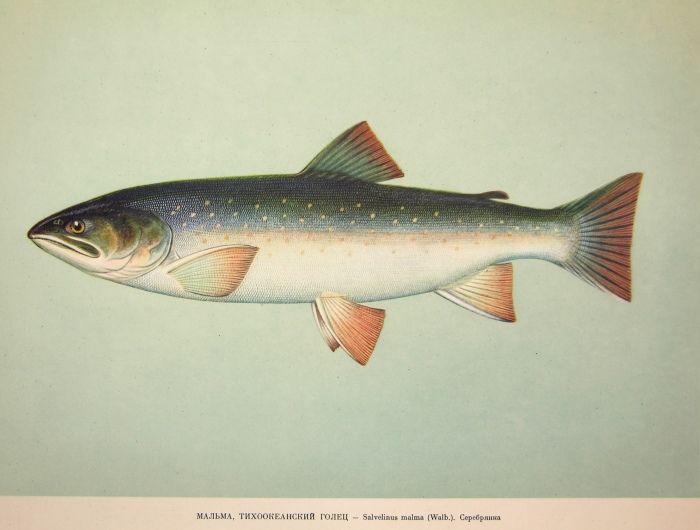




Identification and variation
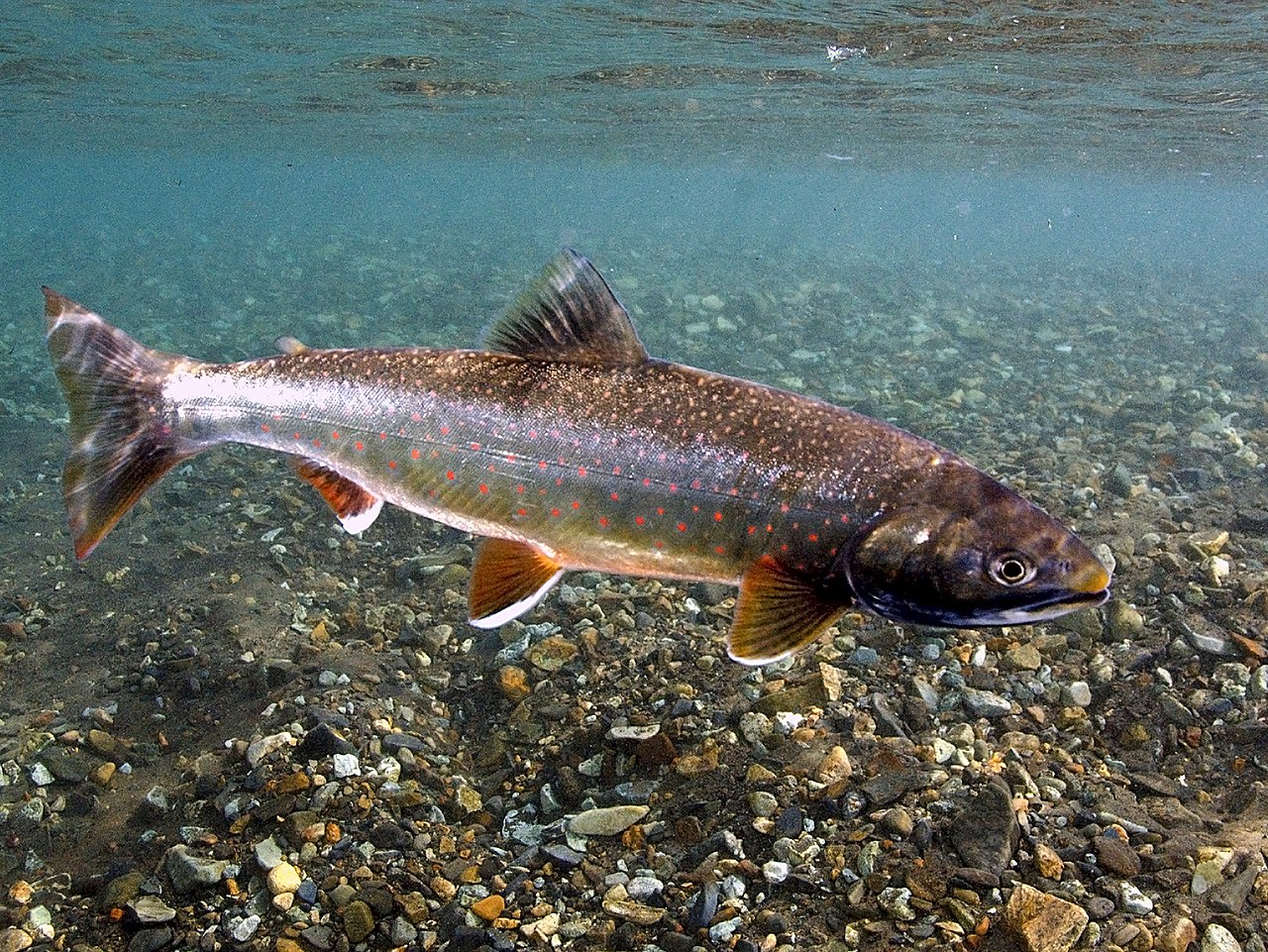
Dolly Varden are characterized by light-coloured spots set against a darker body, a pattern typical of chars and contrasting with many trout species that often show dark spots on lighter background. Body colour varies with habitat and life history: anadromous individuals commonly show darker blue to green tones on the head and upper sides, while freshwater, resident fish are often brown to olive. Breeding colours can become more vivid, and both size and shape vary across populations. Key identification features include the presence of an adipose fin, the parr marks seen on juveniles, and the light spotting.
Life cycle and habitat
Dolly Varden inhabit cold, well-oxygenated waters of rivers, streams, and coastal shelves. Anadromous fish typically rear in freshwater, migrate to the sea to feed and grow, and return to spawn in natal streams. Landlocked populations complete their life cycle entirely within lakes and rivers. Diets are opportunistic and include aquatic insects, crustaceans, smaller fish, and fish eggs. Spawning occurs in gravel-bottomed streams, and young fish often spend their early years in shallow, sheltered reaches before dispersing.
Uses, importance, and human interactions
For people, Dolly Varden have cultural, subsistence, and recreational importance. Indigenous communities throughout the species' range have long harvested them as part of traditional fisheries. Anglers value anadromous runs for sport fishing. The species also contributes to nutrient cycling: migrating fish transport marine-derived nutrients into freshwater systems. Because they occupy diverse habitats, Dolly Varden are useful indicators of watershed and coastal health.
Conservation, threats, and management
Populations of Dolly Varden face pressures common to cold-water fishes: habitat alteration (including degradation of spawning and rearing streams), barriers to migration, competition and predation from introduced species, overfishing in some areas, and the long-term effects of climate change on water temperature and stream flow. Management measures emphasize habitat protection and restoration, connectivity of river systems, monitoring of anadromous runs, and sustainable harvest practices. Conservation status varies by region and population; many jurisdictions monitor Dolly Varden as part of broader salmonid management programs.
Taxonomy and notable distinctions
The taxonomy of Dolly Varden has been historically complex. They are part of a species complex of chars with several regional forms, and identification has sometimes been confounded with closely related species such as bull trout and other Salvelinus taxa. Molecular studies and regional surveys have refined understanding of population structure, but nomenclature and subspecific divisions can differ among authorities. One clear distinction remains the char-type spotting pattern and the behavioural split between resident and migratory life histories.
Identification summary and threats (lists)
- Identification features: light spots on dark body, adipose fin, parr marks in juveniles, variable breeding colours.
- Habitats: cold streams, rivers, lakes, and nearshore coastal waters of the North Pacific.
- Diet: insects, crustaceans, small fish, and fish eggs.
- Main threats: habitat loss, migration barriers, introduced species, overharvest, and climate impacts.
Further reading and resources
- Species profile and overview
- Distribution around the Pacific Rim
- Asian range details
- North American range details
- Historical confusion with trout
- Comparisons with trout species
- Genus Salvelinus overview
- Anadromy and migratory behaviour
- Colour variation and ecology
- Marine phase characteristics
- Head and body morphology
- Freshwater resident forms
- Olive and brown colour variants
- Feeding ecology and prey
- Interactions with other fish species
- Conservation and management resources
Questions and answers
Q: What is a Dolly Varden?
A: A Dolly Varden is a species of salmonid.
Q: Where is the Dolly Varden native to?
A: The Dolly Varden is native to cold-water tributaries of the Pacific Ocean in Asia and North America.
Q: Has the Dolly Varden ever been mistaken for a species of trout?
A: Yes, in the past, the Dolly Varden has been mistaken for a species of trout.
Q: What genus does the Dolly Varden belong to?
A: The Dolly Varden belongs to the genus Salvelinus of true chars.
Q: What is the difference between the spots on a Dolly Varden and a trout?
A: Dolly Varden are covered with light spots on a dark background, while trout have dark spots on a light background.
Q: Can Dolly Varden either be landlocked or anadromous?
A: Yes, Dolly Varden may either be landlocked or anadromous, meaning they migrate to the sea.
Q: What do Dolly Varden feed on?
A: Dolly Varden feed on aquatic insects, other fish, and their eggs.
Related articles
Author
AlegsaOnline.com Dolly Varden (Salvelinus malma) Leandro Alegsa
URL: https://en.alegsaonline.com/art/28238
Sources
- commons.wikimedia.org : Dolly Varden
- adfg.alaska.gov : "Dolly Varden (Salvelinus malma)"
- gofishbc.com : "B. C. Fish Facts: Dolly Varden"