
Dodo (Raphus cucullatus): flightless bird of Mauritius and emblem of extinction
The dodo, Raphus cucullatus, was a large flightless bird native to Mauritius. Extinct by the late 17th century, it is notable for its biology, rapid disappearance after human contact, and its cultural symbolism.
Overview
The dodo (Raphus cucullatus) was a large, flightless bird that lived only on the island of Mauritius in the Indian Ocean. It is often cited as a clear example of extinction following human arrival. Scientists classify the dodo as a distinct species closely related to pigeons and doves; it developed flightlessness after evolving in an environment without mammalian predators.
Image gallery
10 Images



Appearance and biology
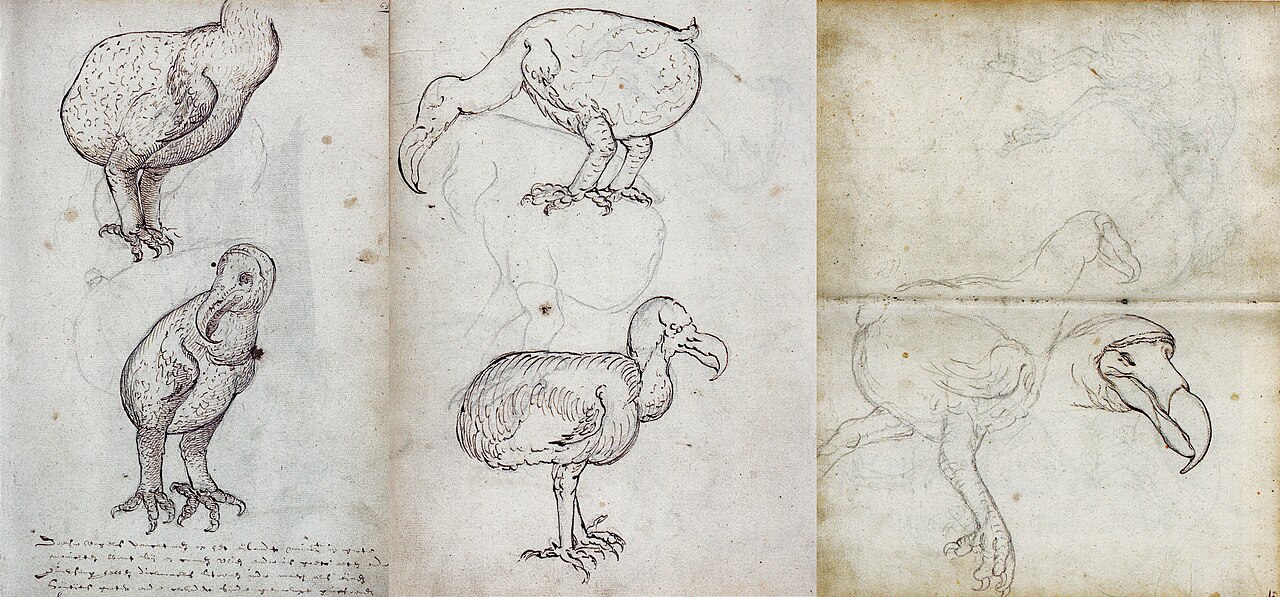
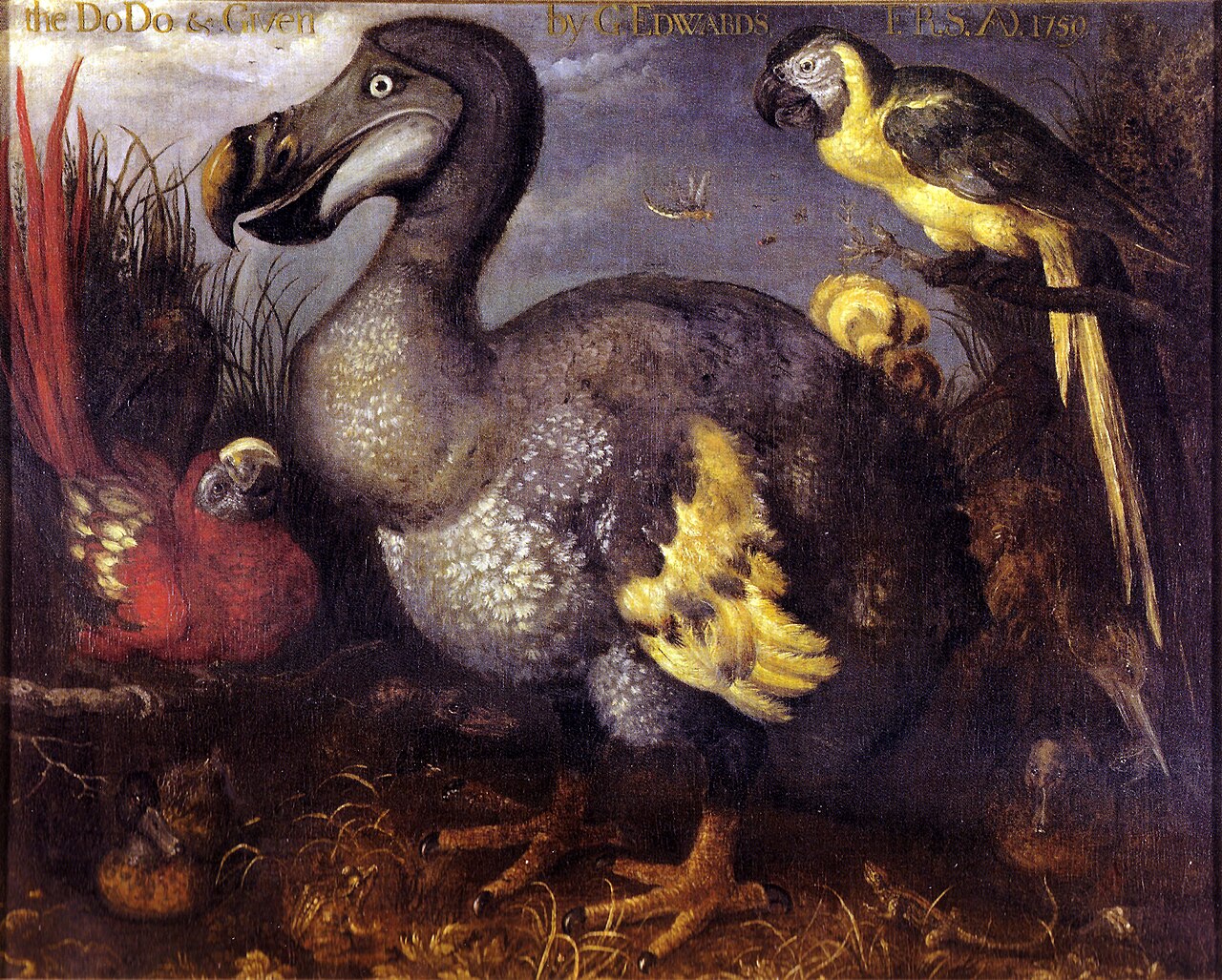
Contemporary descriptions and later studies of subfossil bones indicate the dodo had a heavy, rounded body, stout legs, and a large hooked beak. Plumage accounts vary, but most reconstructions show grayish or brownish feathers. As a ground-dwelling bird it nested on the forest floor and likely fed on fruits, seeds and possibly invertebrates. Much of what is known comes from skeletal remains and a handful of seventeenth-century illustrations and written reports.
Taxonomy and habitat
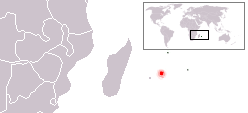
Taxonomically the dodo is placed in the family that includes pigeons; its nearest relatives were other island pigeons. The species was endemic to Mauritius, meaning it evolved and lived only on that island, where a lack of terrestrial predators and abundant vegetation favored large, flightless birds.
Extinction: causes and timeline
The dodo disappeared within decades after humans began visiting and settling Mauritius in the 1600s. Contributing factors included direct hunting by sailors, the destruction of habitat, and the introduction of non-native mammals such as rats, pigs and monkeys that ate eggs and competed for food. The exact year of final extinction is uncertain, but the species was gone by the late seventeenth century. Scientific study emphasizes that a combination of pressures, rather than a single cause, led to the rapid loss.
Legacy and significance
Beyond its biological interest, the dodo has become a widely recognized symbol of human-driven extinction and vulnerability of island ecosystems. It appears in literature and popular culture as a reminder of irreversible loss, and the phrase "dead as a dodo" entered common language to denote obsolescence. Ongoing research into dodo remains has refined understanding of its anatomy, life history and evolutionary relationships.
Notable facts
- Known only from limited contemporaneous accounts, paintings and subfossil material.
- Illustrates how isolation can produce flightlessness and unusual body forms in birds.
- Extinction resulted from a mix of direct human impact and introduced species.
For further reading on classification, paleontology and conservation lessons drawn from the dodo, consult specialized resources and collections that discuss island extinctions and avian evolution. See also related entries on island ecology and historical accounts of early European exploration.
Species overview · Island context · Endemism and conservation
Questions and answers
Q: What is the dodo?
A: The dodo is an extinct species of flightless bird from Mauritius.
Q: Why did the dodo lose the power of flight?
A: The dodo lost the power of flight because it was no advantage where they lived.
Q: What family was the dodo in?
A: The dodo was in the same family as the pigeon.
Q: Where did the dodo live?
A: The dodo was endemic to (only lived on) the island of Mauritius.
Q: When did the dodo become extinct?
A: The dodo became extinct in the late 17th century.
Q: What is the dodo a symbol of?
A: The dodo has become a symbol of extinction caused by the arrival of humans in ecosystems where humans had never before lived.
Q: How did the dodo become extinct?
A: The exact reason for the dodo's extinction is unknown, but it is believed that it was due to hunting by humans and the introduction of non-native species to the island.
Related articles
Author
AlegsaOnline.com Dodo (Raphus cucullatus): flightless bird of Mauritius and emblem of extinction Leandro Alegsa
URL: https://en.alegsaonline.com/art/28173
Sources
- potomitan.info : HTML fulltext
- bbc.co.uk : "BBC - h2g2 - The Dodo - an extinct bird"
- amnh.org : "Dodo"
- petermaas.nl : "Recently Extinct Animals - Species Info - Dodo"
- davidreilly.com : "Background: the tragedy of the Dodo (1598-1681)"