
Dobermann (Doberman Pinscher) — Breed overview and history
Profile of the Dobermann (Doberman Pinscher): origin, physical and behavioral traits, common roles, health and care, and notable distinctions about cropping, training, and temperament.
Overview
The Dobermann, often called the Doberman Pinscher in some countries, is a medium-to-large working dog valued for intelligence, loyalty and athleticism. Bred to be alert and responsive, the Dobermann combines strength and speed with a short, smooth coat and a lithe, muscular build. The breed is commonly associated with protection and service roles but is also kept as a companion for experienced owners.
Image gallery
9 Images




Appearance and temperament
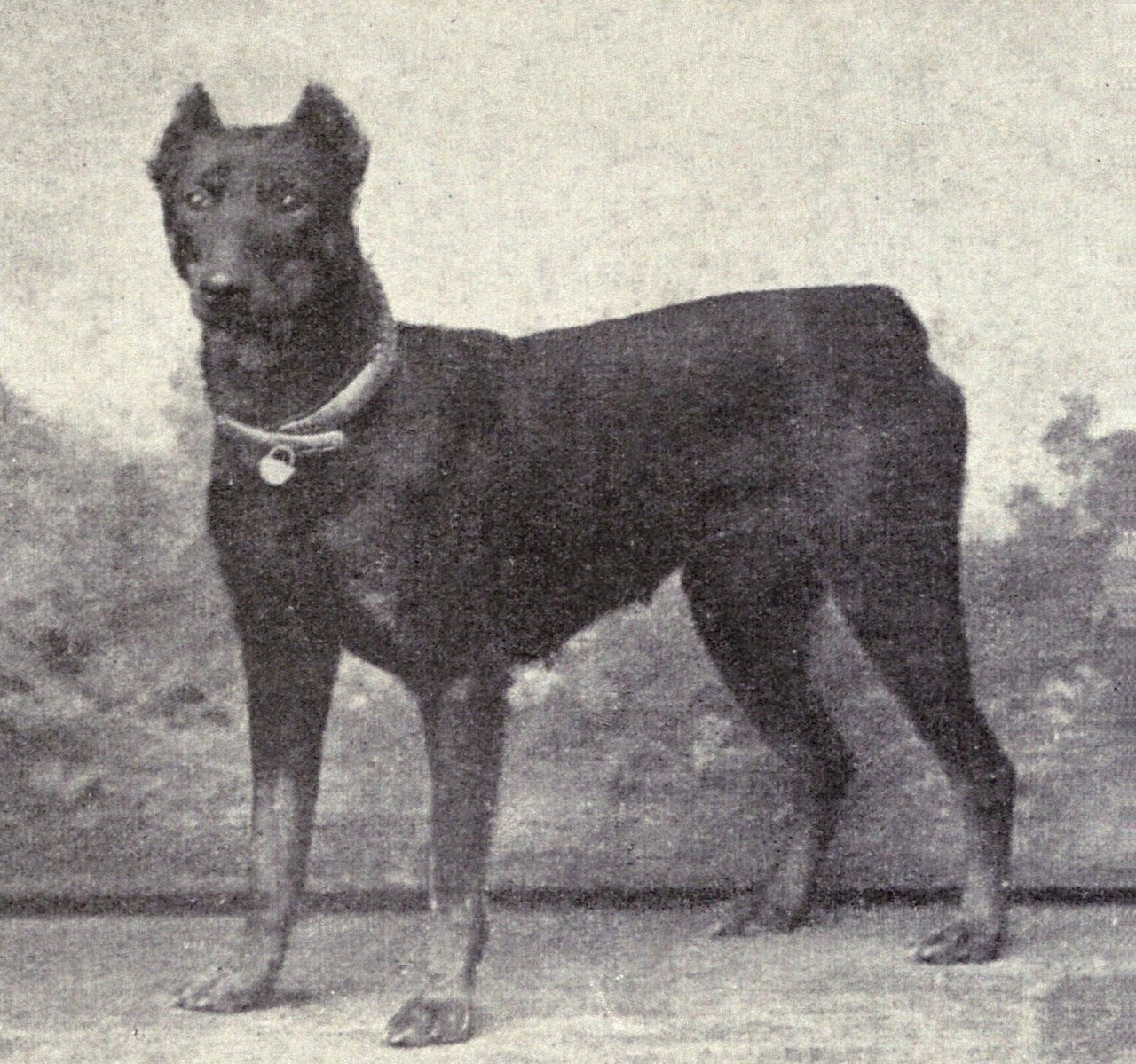
Typical Dobermanns have a sleek coat that comes in several standard colors and a distinct, wedge-shaped head. They are energetic and highly trainable, showing a strong desire to work with handlers. Temperamentally they tend to be confident, watchful and devoted; with early socialization and consistent training they are affectionate family dogs as well as effective guardians. Some Dobermanns have historically had their ears cropped and tails docked; these practices are now banned or discouraged in many jurisdictions.
History and development
The breed emerged in Germany around 1890 and was named for Friedrich Louis Dobermann, a tax collector who sought a versatile companion and protector. Early breeders crossed several local types to produce a dog combining speed, courage and tractability. Over the following decades the Dobermann was refined into a reliable working breed used in civilian and military contexts across Europe and beyond. For origin context see Germany and for the person after whom the breed was named see Friedrich Louis Dobermann.
Common roles and uses
- Protection and guarding: Dobermanns are widely used as guard dogs and personal protection animals (guard duties).
- Service and public safety: Their trainability suits police work (police), search and rescue (search and rescue) and, in some cases, guide work (guide dogs).
- Companionship: With proper socialization they are loyal family companions (loyal).
Care, health and lifespan
Dobermanns need regular exercise, mental stimulation and structured training. Average lifespan is commonly cited around 10–13 years. Owners should be aware of breed-prone conditions such as cardiac issues, orthopedic problems and certain bleeding disorders; reputable breeders screen for health problems and maintain good breeding practices.
Notable distinctions
The Dobermann occupies a space between working-dog functionality and companion temperament. Responsible ownership emphasizes socialization, positive training methods and attention to health screening. Cultural portrayals sometimes exaggerate the breed's aggression; in reality behavior depends heavily on breeding, training and environment.
Questions and answers
Q: What is a Dobermann?
A: A Dobermann is a medium to large dog breed that originated in Germany and was named after a tax collector, Friedrich Louis Doberman.
Q: When did the Dobermann breed originate?
A: The Dobermann breed originated in Germany about 1890.
Q: Who was Friedrich Louis Doberman?
A: Friedrich Louis Doberman was a tax collector who wanted a dog as a companion and for protection.
Q: What are some characteristics of Dobermanns?
A: Dobermanns are known for being intelligent, loyal, and fearless dogs.
Q: What are some of the roles that Dobermanns play?
A: Dobermanns are used as police dogs, search and rescue dogs, guard dogs, and guide dogs for blind people.
Q: Are Dobermanns a popular breed?
A: Yes, Dobermanns are a popular breed of dog.
Q: How are Dobermanns perceived by society?
A: Dobermanns are perceived as loyal, intelligent, and fearless dogs and are highly valued for their roles as police dogs, search and rescue dogs, guard dogs, and guide dogs for blind people.
Related articles
Author
AlegsaOnline.com Dobermann (Doberman Pinscher) — Breed overview and history Leandro Alegsa
URL: https://en.alegsaonline.com/art/28099
Sources
- fci.be : "Dobermann breed standard"
- akc.org : "Meet the Doberman Pinscher"
- thekennelclub.org.uk : "UK Kennel Club: Doberman Pinscher breed standard"
- gentledoberman.com : "The Truth About the Doberman"
- dogchannel.com : "Training Secrets for Doberman Pinschers"
- commons.wikimedia.org : Dobermann