
DIN connector: round multi‑pin electrical connectors, types and uses
Overview of DIN connectors: origin, common pin layouts, typical uses (audio, MIDI, keyboards), mini‑DIN variants, advantages and limitations, and historical development.
A DIN connector is a family of circular multi‑pin electrical connectors originally standardized in Germany. The name comes from the Deutsches Institut für Normung, the German national standards body. These connectors share a round metal shell and a keyed pin pattern that helps align and protect contacts. Because of their simple mechanical design and reliable shielding, DIN connectors have been widely used for audio equipment, control signals and some digital interfaces.
Image gallery
6 Images
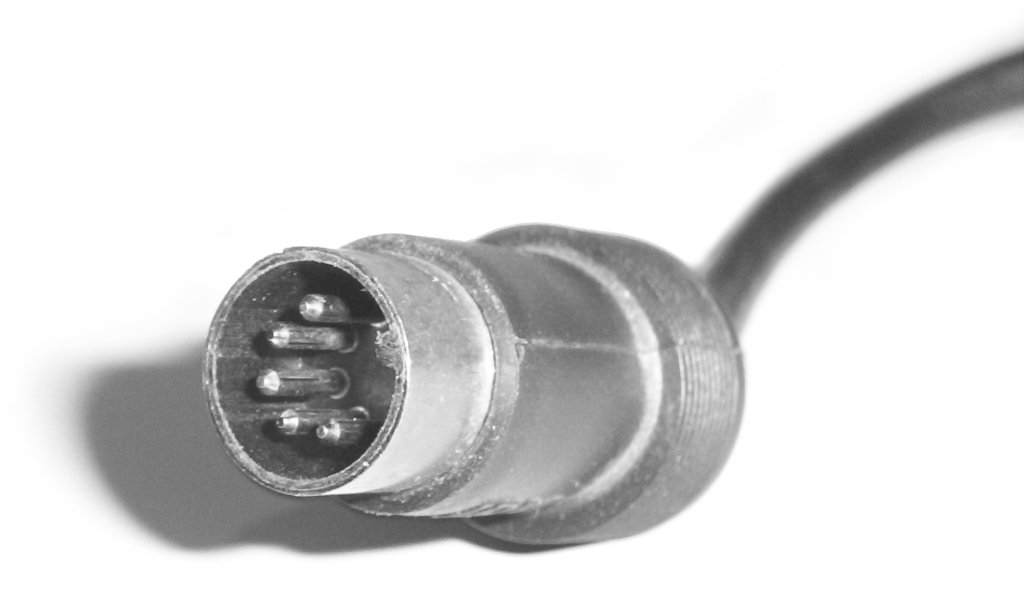


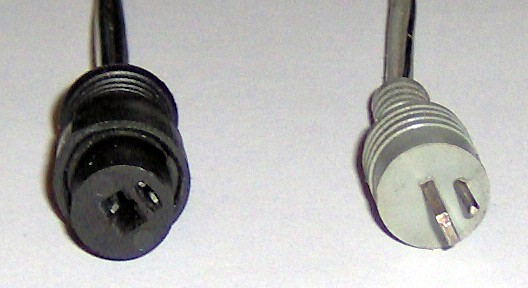
Design and characteristics
Typical DIN connectors have a metal outer shell that provides mechanical strength and can be connected to a cable shield, plus an insulating insert that holds several pins in a fixed pattern. Variants differ by pin count and arrangement; common layouts are three‑, five‑ and six‑pin versions, among others. The mating mechanism is friction‑fit rather than a threaded or locking coupling, so careful alignment is required to avoid bending pins. See general connector background for related types: round multi‑pin connectors.
Common variants and everyday uses
- 5‑pin DIN – widely known for analog audio interconnections on Hi‑Fi equipment and as the original physical connector for the MIDI digital musical interface: MIDI devices commonly use the 5‑pin layout.
- Mini‑DIN – a smaller family with similar circular form; examples include the 6‑pin mini‑DIN used for PS/2 keyboard and mouse ports and the 4‑pin mini‑DIN used for S‑Video. Learn more about the smaller format: mini‑DIN variants.
- Keyboard and mouse interfaces – older PC keyboards originally used larger DIN plugs, while many later designs adopted 6‑pin mini‑DIN (PS/2). Modern USB interfaces largely replaced them: keyboards and mice moved to USB in most systems.
History and development
The connector family grew from mid‑20th century European standardization efforts under the DIN organization (Deutsches Institut für Normung). Different industries adapted the basic round connector form to meet specific needs: audio equipment used fewer pins with robust shielding, musical instrument manufacturers settled on the 5‑pin layout for MIDI signaling, and computer vendors later developed miniaturized versions for space‑constrained PC ports.
Advantages, limitations and notable facts
Advantages of DIN connectors include straightforward mechanical alignment, durable metal shells and good electromagnetic shielding when properly grounded. Limitations include vulnerability of exposed pins to bending when misaligned, modest contact counts compared with rectangular multi‑pin connectors, and relatively large size compared with modern USB or board‑level connectors. Today DIN and mini‑DIN types remain in use where legacy equipment or particular mechanical characteristics are important, even as many consumer devices have transitioned to smaller, higher‑density interfaces.
For historical equipment restoration or interfacing with older audio and musical instruments, recognizing the different DIN layouts and availability of adapters can be useful. Manufacturers and standards bodies documented the original specifications; hobbyists and professionals continue to rely on these connectors for specific tasks where their features remain advantageous.
Related articles
Author
AlegsaOnline.com DIN connector: round multi‑pin electrical connectors, types and uses Leandro Alegsa
URL: https://en.alegsaonline.com/art/27466