
Dietary supplement
A dietary supplement is a concentrated source of nutrients or other ingredients taken to add to the diet. This article explains forms, common ingredients, uses, regulation, benefits and risks.
Overview
A dietary supplement (also called a food supplement or nutritional supplement) is a product taken by mouth intended to add, concentrate, or enhance nutrients in the diet. Supplements are available in many forms and are used to address nutrient shortfalls, support specific health or performance goals, or complement ordinary food intake. The term is used differently in different countries and may be framed as a type of food, a drug, or a natural health product in various regulatory systems; see drug vs supplement distinctions and natural health product rules.
Image gallery
7 Images




Forms and common ingredients
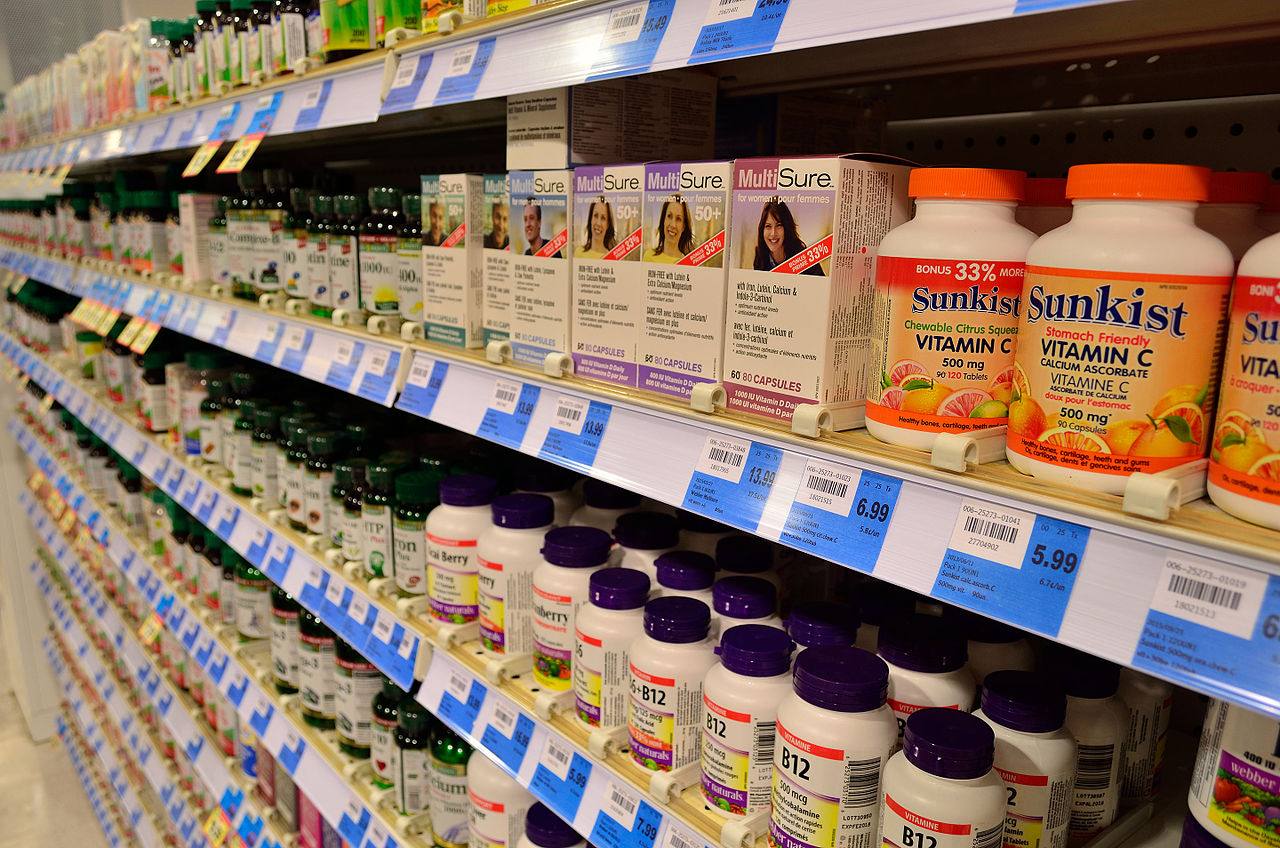
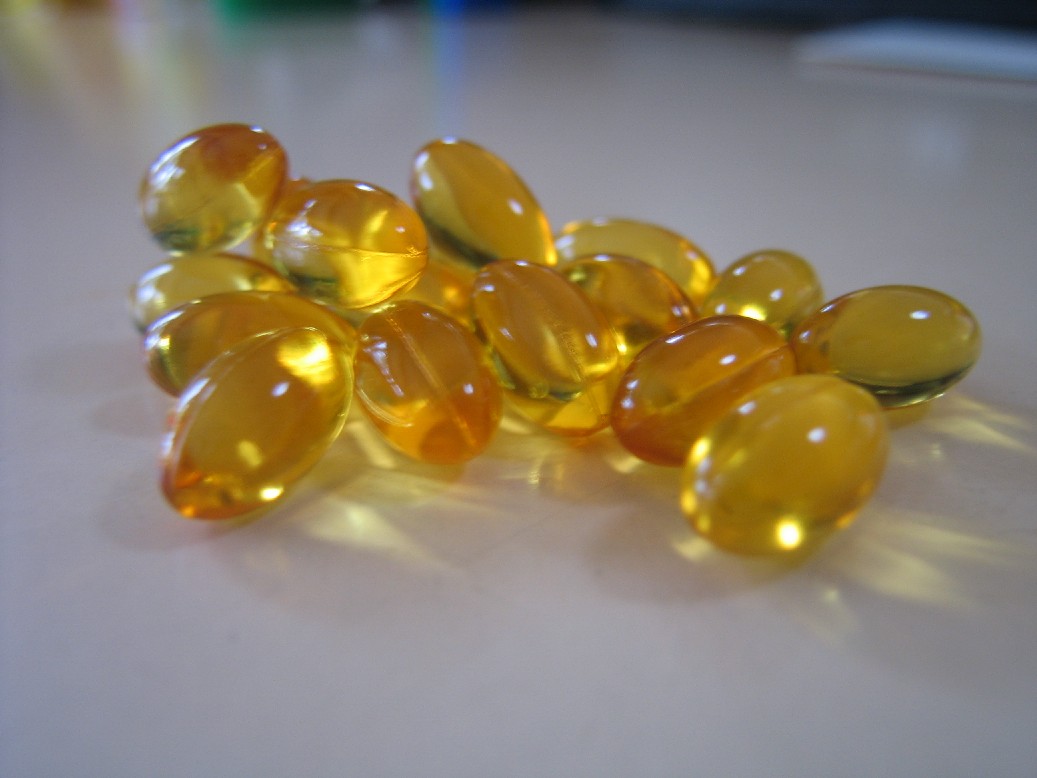
Supplements are produced as tablets, capsules, powders, liquids, gummies and other preparations. Typical forms include powder mixes and liquid concentrates. They supply single nutrients or combinations such as:
- Vitamins (for example vitamins D, B12, folic acid)
- Minerals (for example calcium, iron, magnesium)
- Dietary fiber and plant extracts
- Fatty acids such as omega‑3s
- Amino acids or protein powders
- Herbal preparations, probiotics, and specialty compounds
History and regulation
Historically, isolated vitamins and minerals were introduced in the early 20th century after deficiencies were linked to disease. Over time, industry and consumer demand widened the market to include botanicals, metabolites and performance aids. Regulatory approaches differ: some jurisdictions treat supplements as a category of food with safety and labeling rules, while others apply drug- or health-product frameworks. Consumers should note that claims, testing and required disclosures vary by region.
Uses, benefits and evidence
Supplements can be useful when dietary intake falls short or when needs increase (for example during pregnancy, in older age, or with restricted diets). Well-supported uses include preventing specific deficiency conditions and supporting clinical nutritional therapy. People often take supplements to try to improve general health, athletic performance or body composition. A notable subgroup is bodybuilding and sports supplements, formulated to influence muscle growth, recovery and energy; some claim to enhance performance.
Safety, interactions and quality
Although many supplements are safe when used appropriately, they are not risk‑free. Excessive intake can cause toxicity, and some products interact with prescription medicines. Quality varies between manufacturers; contamination, inaccurate labeling, or unlisted ingredients have been reported. Consumers can reduce risk by choosing products that have been independently tested or certified, consulting healthcare professionals, and following recommended dosages rather than assuming "more is better." If a supplement is being considered to replace a medical therapy or to treat a condition, professional guidance is important.
Choosing and using supplements
When deciding whether to use a supplement, consider the nutrient gap, the strength of evidence for benefit, possible interactions, and legal status in your country. Common examples include multivitamins, vitamin D, iron for diagnosed deficiency, omega‑3 fatty acids for certain heart and brain health discussions, and protein or amino acid formulas for sports nutrition. Reliable information is available from government health agencies, professional associations and peer‑reviewed sources; seek references or testing seals when evaluating products. For more background, see general resources on dietary intake and nutrition guidance, clinical nutrient roles explained, and consumer safety tips here and here.
In summary, dietary supplements can fill real nutritional needs and support health goals, but their benefits and risks depend on the specific ingredient, dose, and user circumstances. Informed choice and professional advice help ensure safe and effective use.
Related articles
Author
AlegsaOnline.com Dietary supplement Leandro Alegsa
URL: https://en.alegsaonline.com/art/27318
Sources
- naturalstandard.com : Natural Standard Research Collaboration
- nlm.nih.gov : Dietary Supplements Labels Database
- ods.od.nih.gov : International Bibliographic Information on Dietary Supplements database
- cfsan.fda.gov : Dietary Supplement Information
- nccam.nih.gov : What's in the Bottle? An Introduction to Dietary Supplements
- iom.edu : Use of Complementary and Alternative Medicine (CAM) by the American Public
- ahrq.gov : EPC Evidence Reports on Dietary Supplements
- nal.usda.gov : Dietary Supplements: General Resources for Consumers (PDF|131 KB)
- nutrition.gov : Questions to Ask Before Taking Vitamin and Mineral Supplements
- nutrition.gov : Nutrition.gov