
Die Toten Hosen — German punk band from Düsseldorf
Die Toten Hosen are a long-running German punk rock band formed in Düsseldorf in 1982, known for energetic live shows, German-language songs, international fans and a major role in German popular music.
Die Toten Hosen are a punk rock group formed in Düsseldorf in 1982 that became one of Germany's best-known rock acts. The band emerged from the local scene and built a reputation for high-energy concerts, melodic yet raw songwriting, and a strong connection with working‑class audiences. Their origin in Düsseldorf and continued presence in Germany shaped a musical identity rooted in punk attitudes and accessible hooks. The group's long career spans multiple decades and has moved them from underground clubs into stadiums and mainstream charts without abandoning punk's directness.
Image gallery
5 Images

Musical style and language
Musically, Die Toten Hosen combine classic punk energy with elements of rock, pop and occasional balladry. Their catalogue includes short, fast songs as well as more elaborated arrangements and anthemic numbers. Most lyrics are performed in German, which helped them connect deeply with local audiences, but they have also recorded songs in English and in other languages, including occasional tracks in Spanish. This linguistic variety has aided their reach beyond German-speaking territories.
History and members
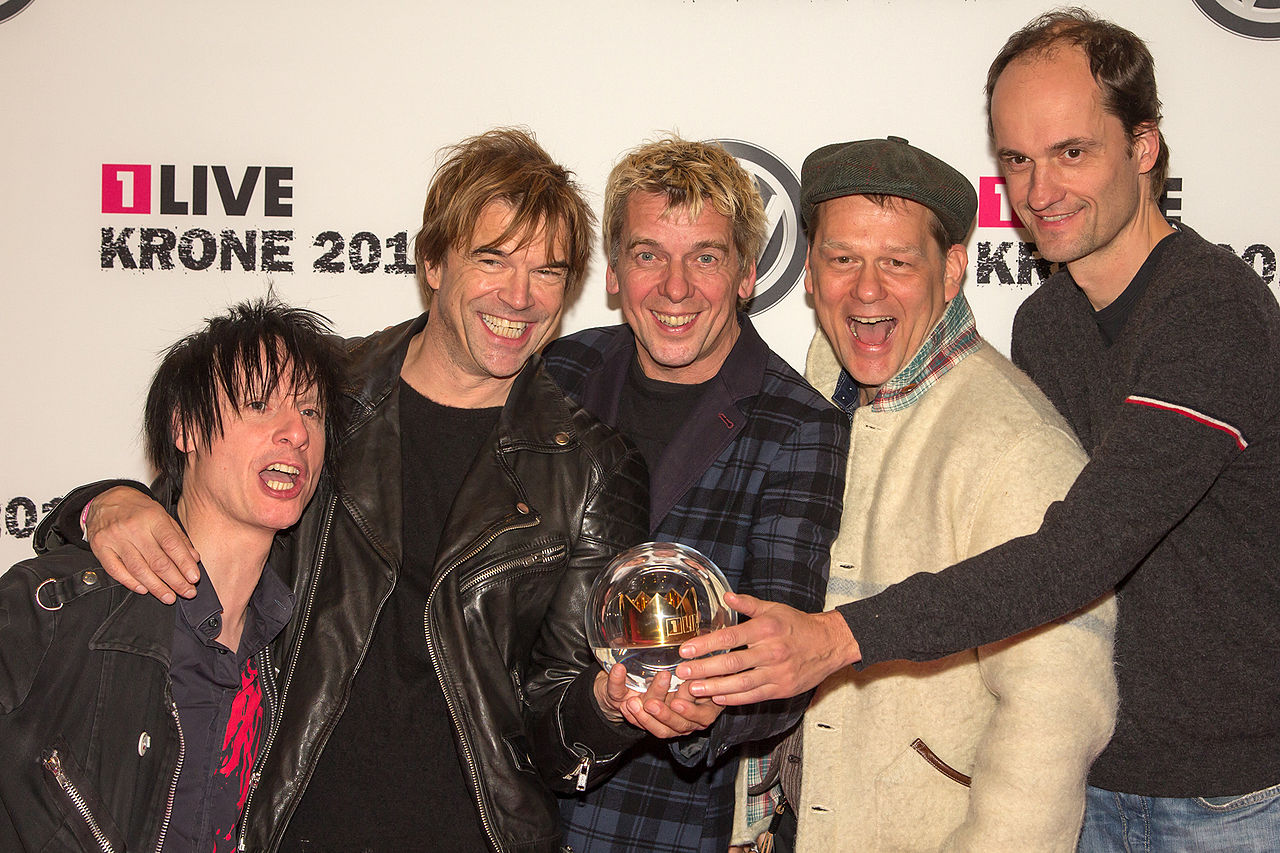
The band coalesced in the early 1980s and released their debut album, Opel‑Gang, during that period. Over the years the group kept a remarkably consistent core lineup: frontman Campino (Andreas Frege) on vocals, guitarists such as Michael Breitkopf and Andreas von Holst, bassist Andreas Meurer and, after earlier changes, drummer Vom Ritchie. Personnel changes were relatively few compared with many long-running groups, which helped maintain a steady public identity and musical continuity.
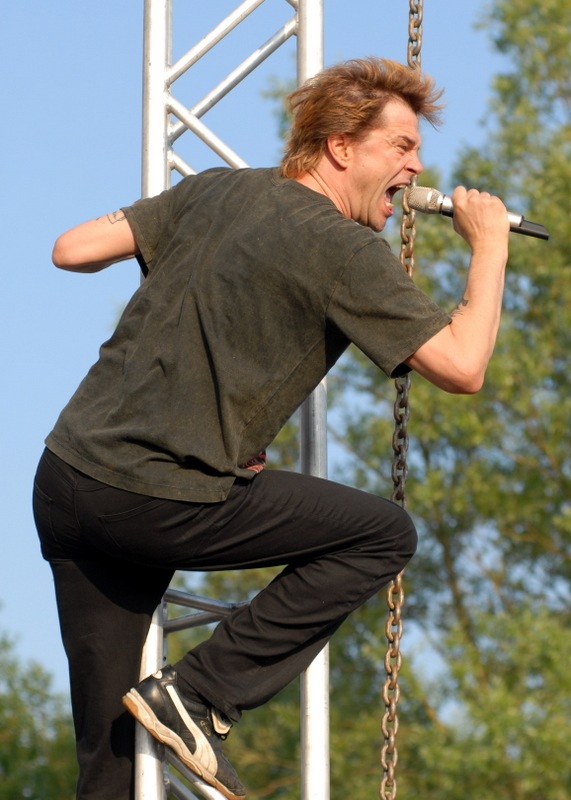
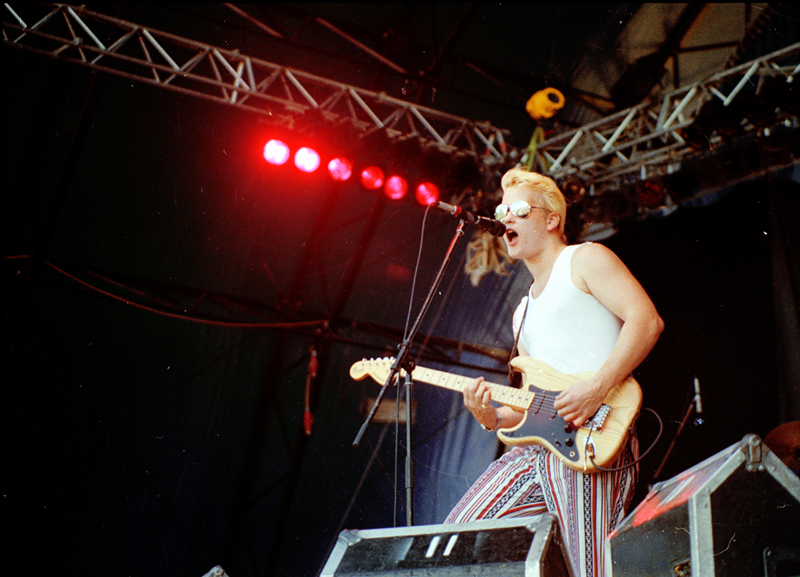
Die Toten Hosen developed through a progression from local punk gigs to national prominence. They became known for well-crafted studio albums and celebratory live shows; many of their concerts emphasize singalongs and audience participation, turning songs into communal anthems. Alongside original material, the band has recorded covers and worked on concept pieces that display influences beyond straightforward punk.
Impact, audience and notable songs
The band commands a broad fanbase in German-speaking countries and significant followings abroad, notably in South America and in other parts of Europe. Songs such as "Hier kommt Alex" and the modern stadium hit "Tage wie diese" are widely recognized and often cited as examples of how the group bridged punk roots and popular appeal. Their concerts and festival appearances have made them fixtures on the European live circuit.
- Artistic range: From ferocious punk tracks to melodic, radio-friendly songs.
- Language use: Predominantly German, with selected recordings in English, Spanish and other tongues.
- Live reputation: Energetic performances and strong audience involvement.
- Longevity: Sustained presence in the public eye across decades.
Beyond music, members of Die Toten Hosen have occasionally participated in social and charitable projects, reflecting how the band’s public platform has been used for causes and cultural engagement. For readers seeking an entry point into their work, early releases such as Opel‑Gang, a mid‑career selection of singles and later hits provide a cross-section of their development. For more detailed timelines, interviews and discographies, consult specialized music resources and archives linked below.
Further reading and resources: Band overview, genre context, discography summaries, local scene history, career milestones, album details, language notes, English recordings, multilingual songs, Spanish tracks, fan regions, South America connections, European tours.
Related articles
Author
AlegsaOnline.com Die Toten Hosen — German punk band from Düsseldorf Leandro Alegsa
URL: https://en.alegsaonline.com/art/27263