
Dimmu Borgir
Norwegian symphonic black metal band formed in 1993, known for orchestral arrangements, theatrical presentation, a shift from Norwegian to English lyrics, and landmark chart success in Norway and abroad.
Dimmu Borgir is a Norwegian symphonic black metal band formed in 1993. The group blended traditional black metal elements—harsh vocals, tremolo-picked guitars and blast beats—with prominent keyboards and later extensive orchestral arrangements. Their name comes from an Icelandic term often rendered in English as "dark fortress" or "dark castle"; the choice reflects the band’s interest in bleak, dramatic imagery and mythic themes. Early recordings used native-language lyrics, while later albums shifted toward English.
Image gallery
7 Images


Musical style and defining characteristics
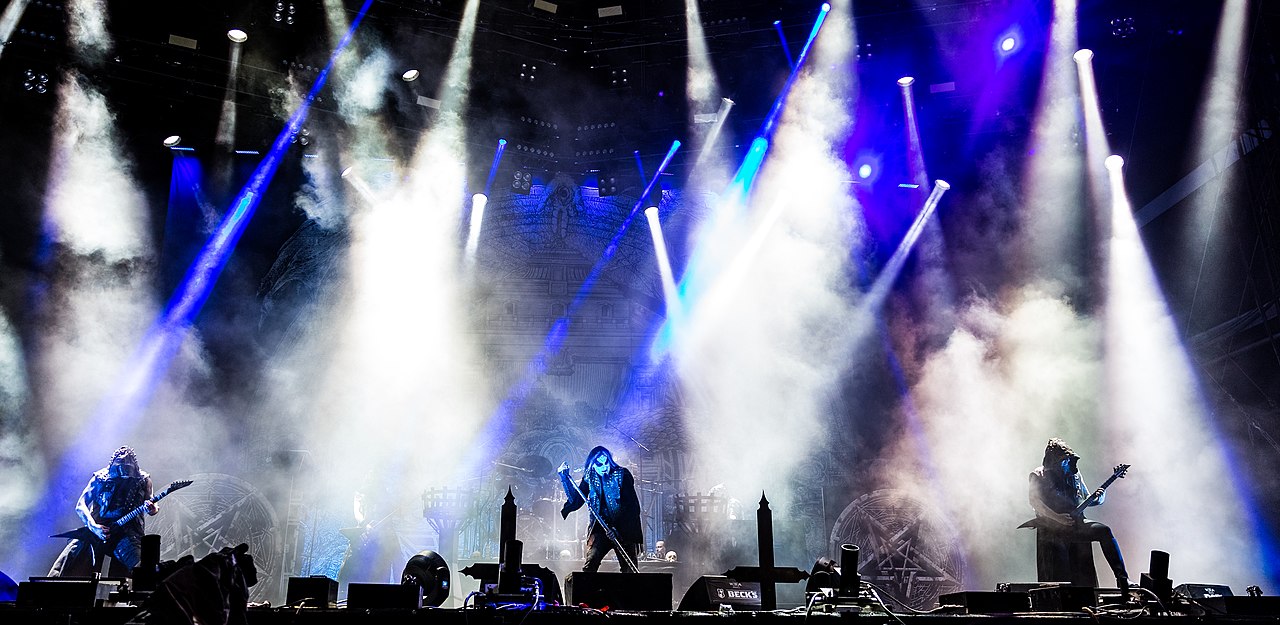
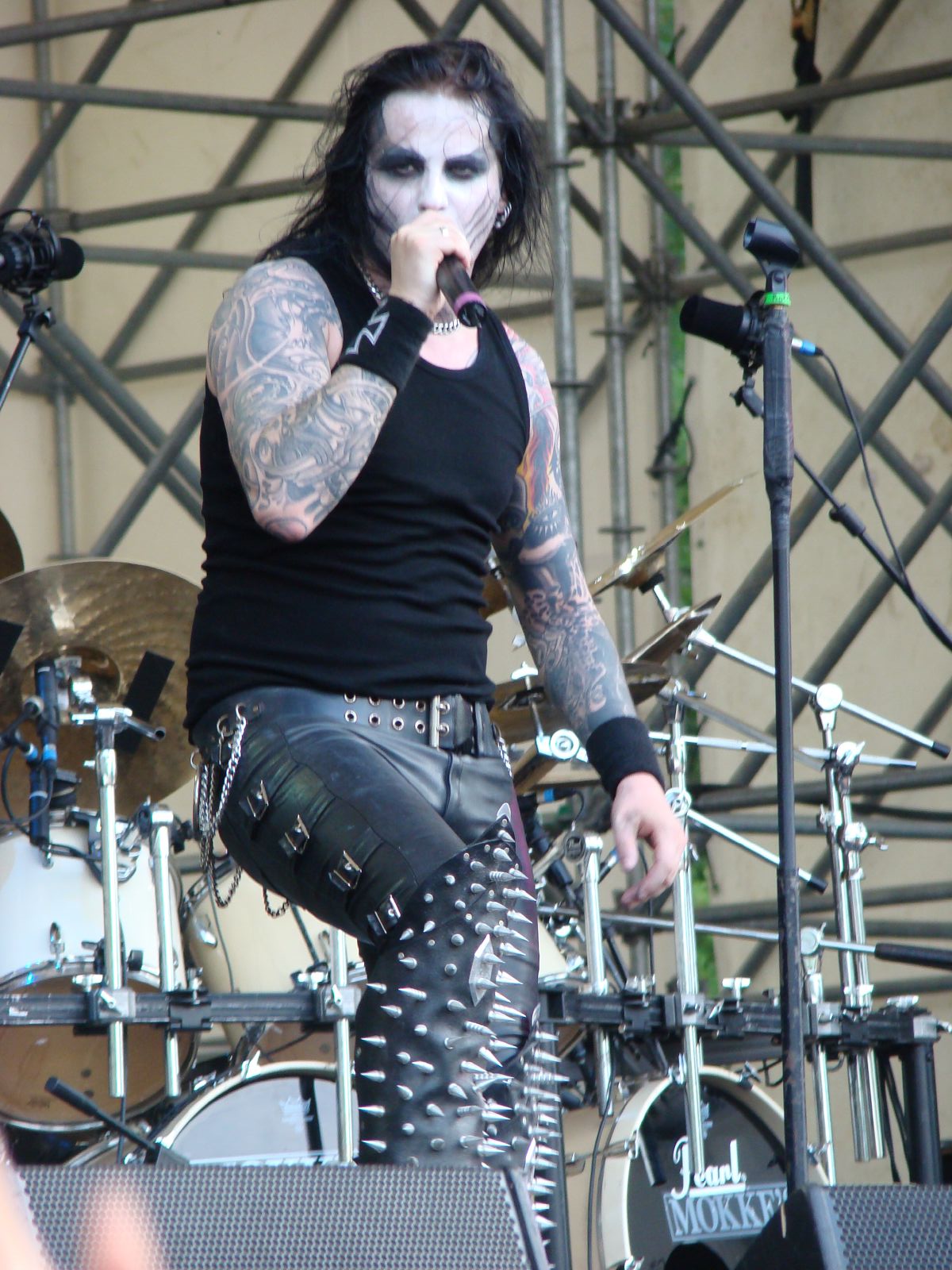
The band is notable for combining aggressive metal instrumentation with layered keyboard lines and symphonic textures, creating a grand, cinematic sound that broadened black metal’s sonic palette. Typical features include high-contrast dynamics (intense metal passages alternating with orchestral or choral sections), theatrical vocal delivery, and polished studio production. Staging and visual presentation often use corpse paint, costumes and elaborate lighting to reinforce the music's dark atmosphere.
History and development
Formed in the early 1990s amid Norway’s flourishing underground extreme-metal scene, the lineup and musical direction of the band evolved steadily. Initial releases were recorded in Norwegian, but from the late 1990s onward most lyrics were in English to reach a wider international audience. Across successive albums the band moved from rawer black-metal foundations to increasingly ambitious, symphonic arrangements and larger production budgets.
Notable albums and achievements
- Key studio albums include For All Tid (1994), Stormblåst (1996), Enthrone Darkness Triumphant (1997), Spiritual Black Dimensions (1999), Puritanical Euphoric Misanthropia (2001), Death Cult Armageddon (2003), In Sorte Diaboli (2007) and Abrahadabra (2010).
- In Sorte Diaboli reached number one on the Norwegian album chart, a milestone for a band from the black metal genre, and also charted in the United States. The album incorporated orchestral elements recorded with established musicians, demonstrating the group's continued interest in combining metal and classical sounds.
Controversies and reception
As the band embraced bigger productions and more accessible arrangements, reviewers and sections of the metal community debated whether that approach diluted black metal’s underground ethos. The band has also been involved in disputes over chart eligibility and release formats: one major album was excluded from a national chart for reasons some observers described as controversial or unclear. Despite this, Dimmu Borgir has remained one of the most commercially recognizable names to emerge from Scandinavian extreme metal.
Legacy and influence
Dimmu Borgir played a significant role in popularizing symphonic elements within extreme metal and showed that bands from this scene could achieve mainstream chart success while retaining a distinct aesthetic. Their blend of orchestration and metal influenced numerous subsequent acts that sought to expand black metal’s timbral and compositional range. The band's origins in Norway and their name’s reference to Icelandic language and imagery emphasize a regional connection to northern landscapes and mythic motifs, which remains a recurrent theme in their visual and lyrical material.
Questions and answers
Q: When was Dimmu Borgir created and where are they from?
A: Dimmu Borgir was created in 1993 in Norway.
Q: What does the name Dimmu Borgir mean?
A: Dimmu Borgir means "dark castle" in Icelandic.
Q: What language were their first recordings in?
A: Dimmu Borgir's first recordings were in Norwegian.
Q: Which album of Dimmu Borgir entered the Norwegian album chart at No. 1?
A: The studio album In Sorte Diaboli (2007) entered the Norwegian album chart at No. 1.
Q: What is the name of Dimmu Borgir's newest studio album and when was it released?
A: Dimmu Borgir's newest studio album is "Abrahadabra" (2010).
Q: Which Norwegian band entered the U.S. Top 50 before Dimmu Borgir?
A: The Norwegian pop group 'A-HA' was the last Norwegian band to enter the U.S. Top 50 before Dimmu Borgir.
Q: What orchestra is featured in Dimmu Borgir's album called "In Sorte Diaboli"?
A: The London Philharmonic Orchestra is featured in Dimmu Borgir's album called "In Sorte Diaboli".
Related articles
Author
AlegsaOnline.com Dimmu Borgir Leandro Alegsa
URL: https://en.alegsaonline.com/art/27463
Sources
- allmusic.com : Dimmu Borgir