
Die Walküre — Wagner’s Second Drama in the Ring Cycle
Die Walküre, the second opera of Richard Wagner’s Ring cycle, is a three-act music drama known for its human drama, leitmotifs and the famous “Ride of the Valkyries.” Premiered in 1870.
Overview
Die Walküre is the second of four music dramas that make up Der Ring des Nibelungen. Composed and written by Richard Wagner, it concentrates more on intense personal relationships and moral conflict than on the cosmic beginnings sketched in the cycle's prelude. The work is best known outside the opera house for the orchestral passage popularly called the "Ride of the Valkyries."
Image gallery
9 Images
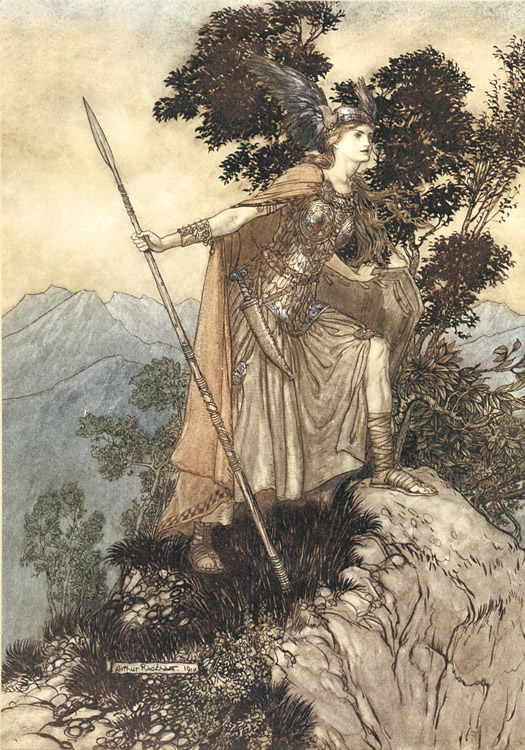


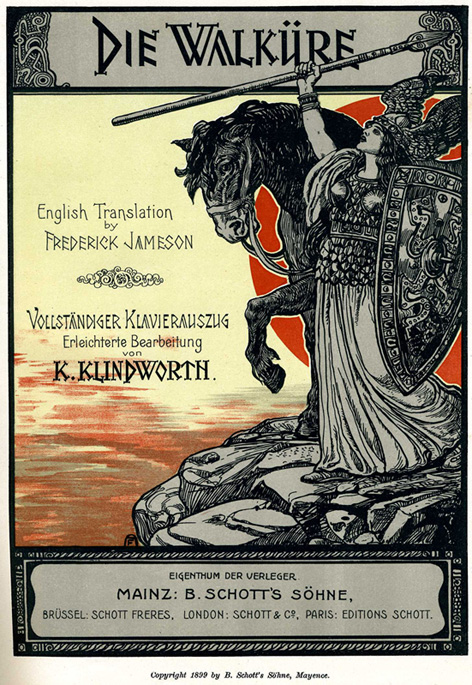
Plot, Characters and Structure
The drama unfolds in three acts and follows human and semi-divine figures whose lives intersect through violence, love and fate. Principal characters include the twins Siegmund and Sieglinde, the god Wotan, his daughter Brünnhilde and the warrior Hunding. Themes include loyalty and betrayal, the limits of divine authority, and the power of compassion. The libretto, written by the composer himself, moves continuously between recitative-like music and fully scored arias, avoiding clear-cut number forms.
Musical Style and Techniques
Wagner employs his mature technique of leitmotifs—short musical ideas associated with characters, objects or concepts—which recur and transform across scenes to shape narrative continuity. The orchestration is rich and often dominant, providing psychological undercurrents that support vocal lines. Frequent harmonic tension, long unfolding phrases and orchestral interludes characterize its sound world.
History and Early Performances
The opera received its first performance on 26 June 1870 in Munich. The complete Ring cycle in staged sequence, with Die Walküre as its second part, was presented in the summer festival that opened the composer's purpose-built theatre in 1876. The cycle's staged debut in that festival set a new model for performance and production of large-scale operatic works.
Significance and Reception
Die Walküre is admired both as part of the Ring's overarching philosophical arc and as an independent dramatic work. It has influenced later composers and filmmakers and remains a staple of the repertoire. Excerpts such as the opening of Act III have entered popular consciousness and appear frequently in concert programmes and media.
Notable Facts and Distinctions
- The opera bridges mythic and domestic drama, shifting emphasis from cosmic exposition in Das Rheingold to intimate human choices.
- Its central heroine, Brünnhilde, becomes one of Wagner's most complex and enduring figures.
- Performances and recordings vary widely in interpretation, reflecting diverse approaches to tempo, orchestral weight and staging.
For readers seeking further detail on the cycle, performance history and key recordings, specialized music histories and dedicated reference works provide extended analysis and context. Some accessible introductions and program notes are available online and in major opera guides for those new to Wagner's dramatic method and vocabulary.
More on the opera • About the composer • Complete Ring cycle • Das Rheingold • Premiere city
Questions and answers
Q: Who composed Die Walküre?
A: Richard Wagner composed Die Walküre.
Q: What is Die Walküre?
A: Die Walküre is an opera.
Q: What is the story that Die Walküre tells a part of?
A: Die Walküre tells a story called Der Ring des Nibelungen (The Ring of the Nibelung).
Q: Which opera is the prequel to Die Walküre?
A: Das Rheingold is the prequel to Die Walküre.
Q: When was Die Walküre first performed?
A: Die Walküre was first performed on 26 June 1870 in Munich.
Q: When was the first performance of Die Walküre as part of the whole Ring cycle?
A: The first performance of Die Walküre as part of the whole Ring cycle took place on 14 August 1876.
Q: How would you describe Die Walküre?
A: Die Walküre is a very beautiful piece.
Related articles
Author
AlegsaOnline.com Die Walküre — Wagner’s Second Drama in the Ring Cycle Leandro Alegsa
URL: https://en.alegsaonline.com/art/27264