
Detritus: non-living organic particulate matter in ecosystems
Detritus is dead organic matter — fragments, feces and decaying tissue — that fuels decomposition, nutrient cycling and food webs in terrestrial and aquatic environments.
In biology, detritus refers to non-living particulate organic material derived from once-living organisms. This broad category includes the bodies and fragments of dead plants and animals as well as faecal material and other organic residues. The source of that material is its organic origin, and its fate is largely governed by physical breakdown and biological decomposition.
Image gallery
2 Images
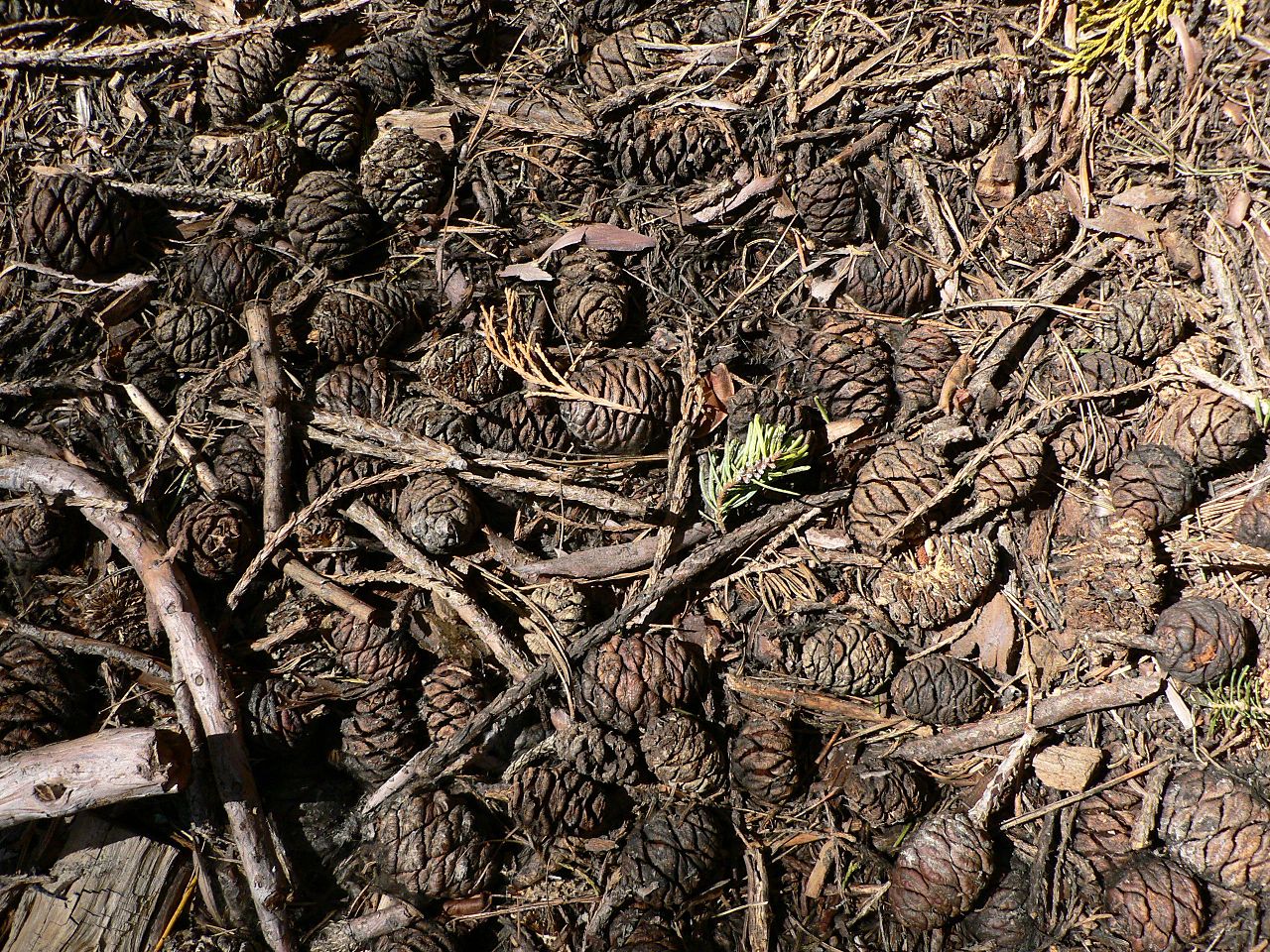
Characteristics and components
Detritus can vary widely in size, composition and chemical complexity. Typical components include:
- Leaf litter, twigs and other plant debris that fall to the ground or into water.
- Dead animal tissue and exoskeletons, ranging from microscopic fragments to large carcasses.
- Faecal pellets and organic slimes produced by animals and microbes.
- Particulate organic aggregates formed when smaller particles stick together.
These materials differ in how easily they are broken down: simple carbohydrates and proteins decompose relatively quickly, while lignin and chitin resist decay and persist longer in the environment.
Decomposition and biological colonization
Detritus is rapidly colonized by communities of fungi, bacteria and other microorganisms, which together carry out the biological processes that decompose complex organic molecules. Fungi and microbial biofilms secrete enzymes that oxidize, hydrolyze and mineralize organic matter; larger detritivores — such as earthworms, insects and crustaceans — fragment material and increase its surface area, accelerating microbial action. The interaction between microbes and detritivores creates a dynamic continuum from coarse particulate material to finely decomposed organic matter.
This microbial and faunal activity is often studied in ecology to understand energy flow and nutrient transformations. Studies of detrital pathways emphasize that much of an ecosystem's productivity is recycled through detritus rather than moving directly through live-consumer food chains.
Terrestrial detritus: litter, soil and humus
In terrestrial ecosystems, fallen leaves and plant remains — commonly called litter — mix with mineral material to form soil layers. Repeated decomposition and mixing by organisms and physical processes produce humus, a dark, stable fraction of soil rich in complex organic compounds. Soil structure, moisture retention and fertility are strongly influenced by the amount and quality of detrital inputs. The gradual transformation of surface litter into humus is central to long-term carbon storage and nutrient availability in terrestrial habitats, and it underpins agricultural and forestry practices that manage organic residues.
Aquatic detritus and marine snow
In aquatic ecosystems, detritus occurs as suspended particulates, microscopic fragments and organic aggregates drifting through the water column. In oceans and large lakes these particles often clump into flocculent aggregates known as marine snow. Marine snow slowly sinks and supplies food to organisms living on the seabed, forming the basis of many deep-water food webs. Filter-feeding animals, detritivorous benthos and microbial communities exploit these falling particles, linking surface primary production with deeper habitats.
Ecological importance and distinctions
Detritus is a foundational component of nutrient cycling and energy flow. It supports decomposer food webs, recycles nitrogen, phosphorus and other elements, and contributes to soil formation and carbon sequestration. Important distinctions include the difference between detritus (non-living organic matter) and living organic matter such as phytoplankton or macrophytes, and between particulate detritus and dissolved organic matter, which can follow different pathways through ecosystems.
Human activities — such as agriculture, forestry, pollution and waste management — alter detrital inputs and decomposition rates, with consequences for soil health, aquatic clarity and greenhouse gas exchanges. Understanding detritus and its pathways remains a core topic in ecosystem ecology and practical resource management, bridging basic biological processes with applied conservation and land-use planning.
Further reading and resources: origin of organic material, microbial colonizers, decomposition processes, terrestrial ecosystems, leaf litter, soil, humus, aquatic ecosystems, marine snow, biology context, faecal matter.
Related articles
Author
AlegsaOnline.com Detritus: non-living organic particulate matter in ecosystems Leandro Alegsa
URL: https://en.alegsaonline.com/art/26916