
Deuterostomes
Deuterostomes are a major clade of bilaterian animals in which the blastopore usually becomes the anus; includes chordates, echinoderms and hemichordates and encompasses all vertebrates.
Overview
Deuterostomes form one of the principal subdivisions of bilaterian animals. The name means "second mouth" and refers to a characteristic pattern of early embryonic development. This grouping sits within broader concepts such as the nephrozoan superphylum and the larger set of bilaterian animals. In practice deuterostomes include many familiar organisms, from humans and other vertebrates to sea stars and acorn worms, and are an important category in animal biology and comparative anatomy.
Image gallery
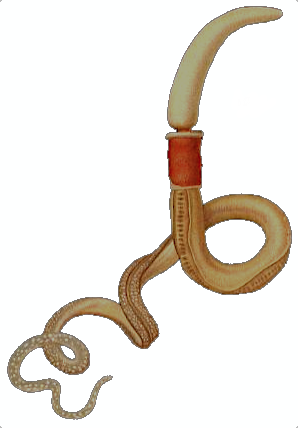
8 Images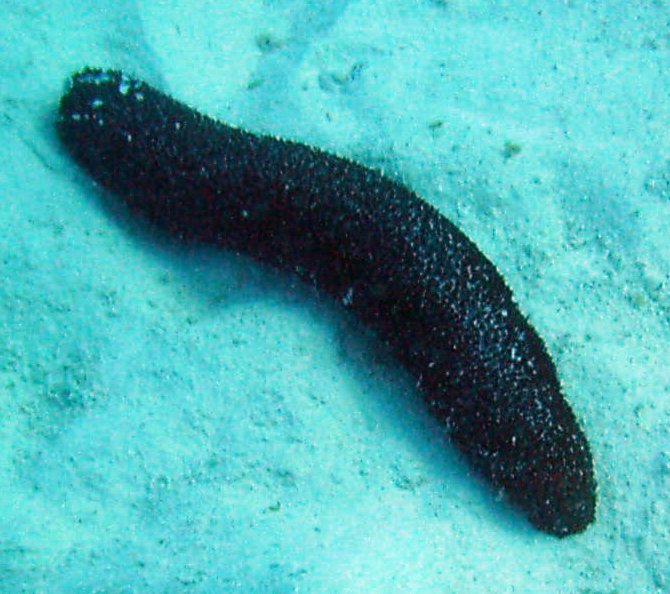


Key characteristics
Classical developmental features used to define deuterostomes include the fate of the blastopore (the first embryonic opening), patterns of cleavage, and how the body cavity forms. Typically the blastopore becomes the anus, a trait that contrasts with some other animal groups. Many deuterostomes show radial, indeterminate cleavage and form their coelom by outpocketing of the gut (enterocoely). These features are cited in texts on taxa above phylum and at the phylum level, but developmental modes are variable and not absolute.
Major groups
- Chordata — includes vertebrates (fish, amphibians, reptiles, birds, mammals) and several closely related invertebrate lineages.
- Echinodermata — sea stars, sea urchins and relatives, notable for radial symmetry in adults and a water vascular system.
- Hemichordata — acorn worms and pterobranchs, worms with features linking them to echinoderms and chordates.
Because the deuterostome grouping occupies a rank above individual phyla, it is often discussed in contexts of higher-level classification and deep evolutionary relationships among animals.
Development and evolutionary context
Embryological features that traditionally distinguished deuterostomes from protostomes have been refined by molecular phylogenetics. Modern analyses support deuterostome monophyly, but they also reveal exceptions and evolutionary changes in developmental processes. Fossil evidence and genetic data together inform hypotheses about when deuterostome lineages diverged and how traits such as the notochord and complex nervous systems evolved.
Distinctions and significance
The principal contrast is with protostomes, which typically form the mouth from the blastopore and often show spiral, determinate cleavage. The term blastopore is central in these comparisons; in deuterostomes it usually gives rise to the anus rather than the mouth, unlike in many protostome taxa. Beyond embryology, deuterostomes are important because they include vertebrates, making their study directly relevant to human anatomy, development, and evolution.
For further reading and systematic treatments, consult modern overviews of animal phylogeny and developmental biology as represented in textbooks and curated online resources: nephrozoan context, bilateria summaries, and species-focused accounts available through major biological repositories.
Questions and answers
Q: What is a deuterostome?
A: A deuterostome is a nephrozoan superphylum of bilaterian animals, which is not part of the usual system of classification.
Q: How are deuterostomes and protostomes distinguished from each other?
A: Deuterostomes and protostomes are distinguished by their embryos. In deuterostomes, the first opening (the blastopore) becomes the anus, while in protostomes it becomes the mouth.
Q: What level of taxon do deuterostomes belong to?
A: Deuterostomes belong to a taxon above the level of phylum.
Q: Are deuterostomes bilateral animals?
A: Yes, deuterotstomes are bilateral animals.
Q: What happens to the blastopore in a deuteroastome embryo?
A: In a deuteroastome embryo, the blastopore becomes the anus.
Q: Is there an opposite process for protostome embryos?
A: Yes, for protostome embryos, the blastopore becomes the mouth.
Related articles
Author
AlegsaOnline.com Deuterostomes Leandro Alegsa
URL: https://en.alegsaonline.com/art/26940