
Debutante: social introduction of young women into adult society
Overview of the debutante tradition: origins, ceremonies, regional variations, dress, modern adaptations, social significance and controversies.
Overview
A debutante is traditionally a young woman officially presented to wider society when she reaches an age regarded as appropriate for adult responsibilities and, historically, marriage. The presentation signalled public introduction to social circles, networks and potential partners. In broader use the term may refer to any young person making a formal social entrance. See the basic notion of a young woman being introduced into society in ceremonial contexts.
Image gallery
8 Images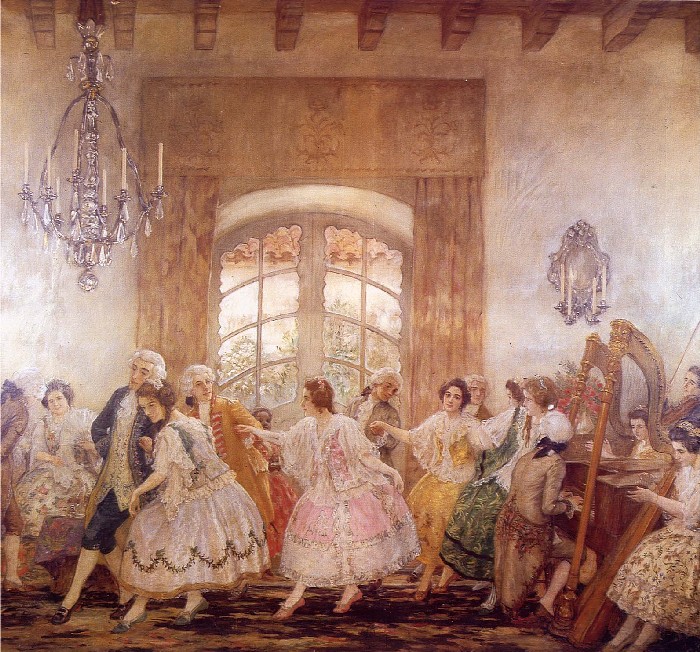




Origins and etymology
The English word derives from the French term meaning 'one who makes a debut' or 'beginner'. The custom developed in early modern Europe among aristocratic and landed families where court life and arranged alliances structured marriageable age, inheritance and status. Prominent among these groups were the nobility and the upper classes, who used formal seasons and entertainments to display social networks and family rank.
Historical practice and the social season
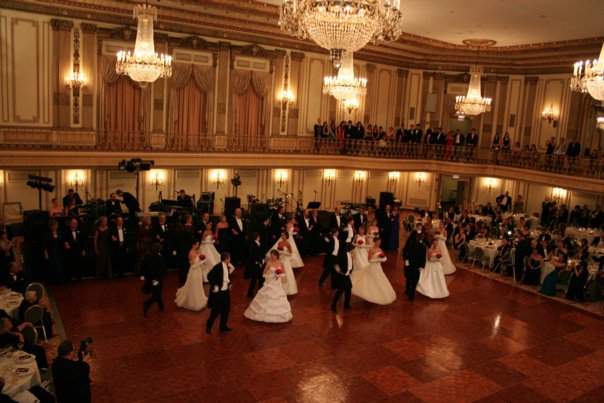
Historically, formal introductions were regulated by etiquette and by the calendars of court and city life. Debutantes typically appeared at a ball or similar event during a social "season" when assemblies, operas and receptions enabled eligible families to meet. The practical aim was to make a young person visible to eligible bachelors and their kin and to advertise a family's connections and standing. In some countries this culminated in an official audience or a court presentation, as practiced in the United Kingdom where the formal presentation to the monarch was once a central ritual.
Ceremony, dress and etiquette
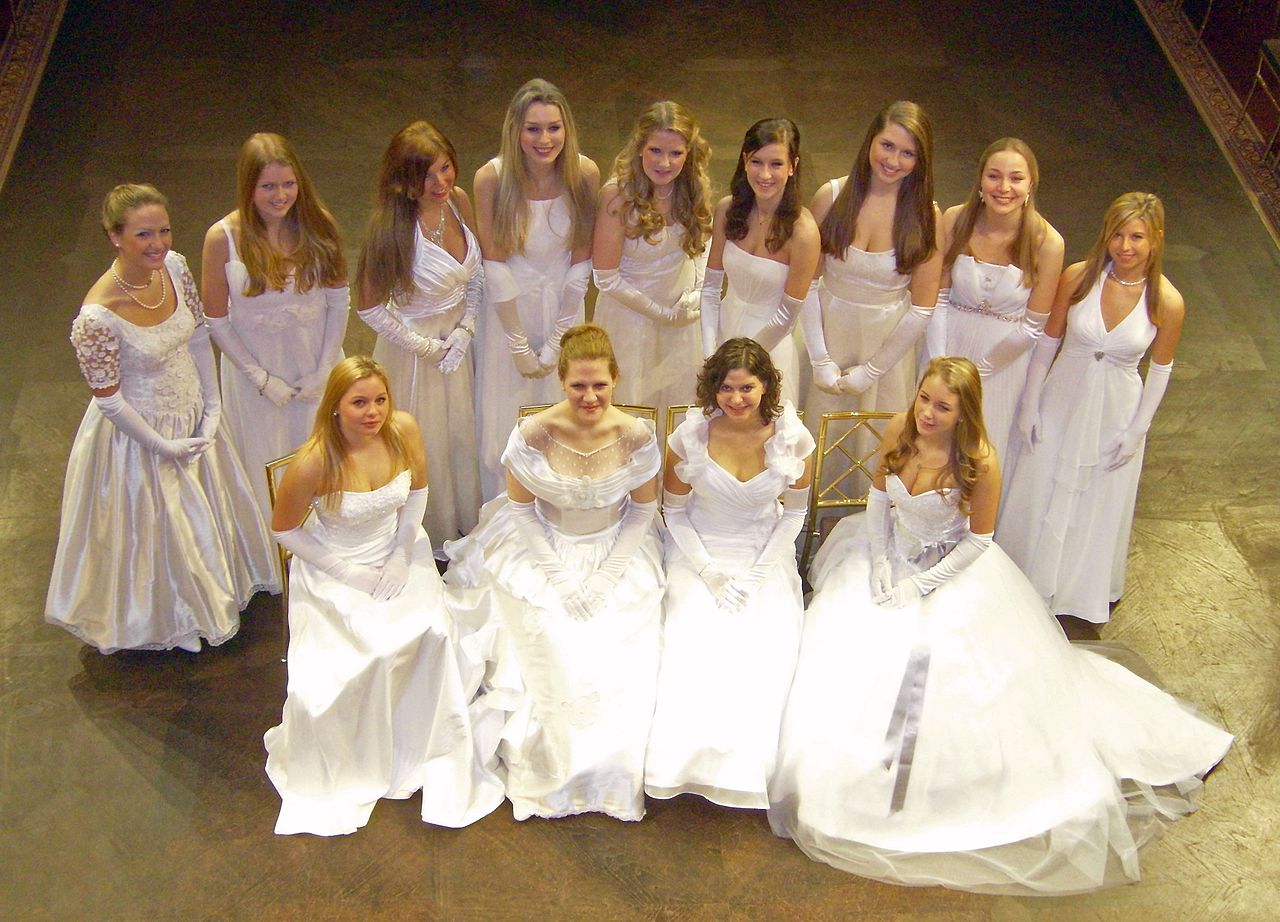
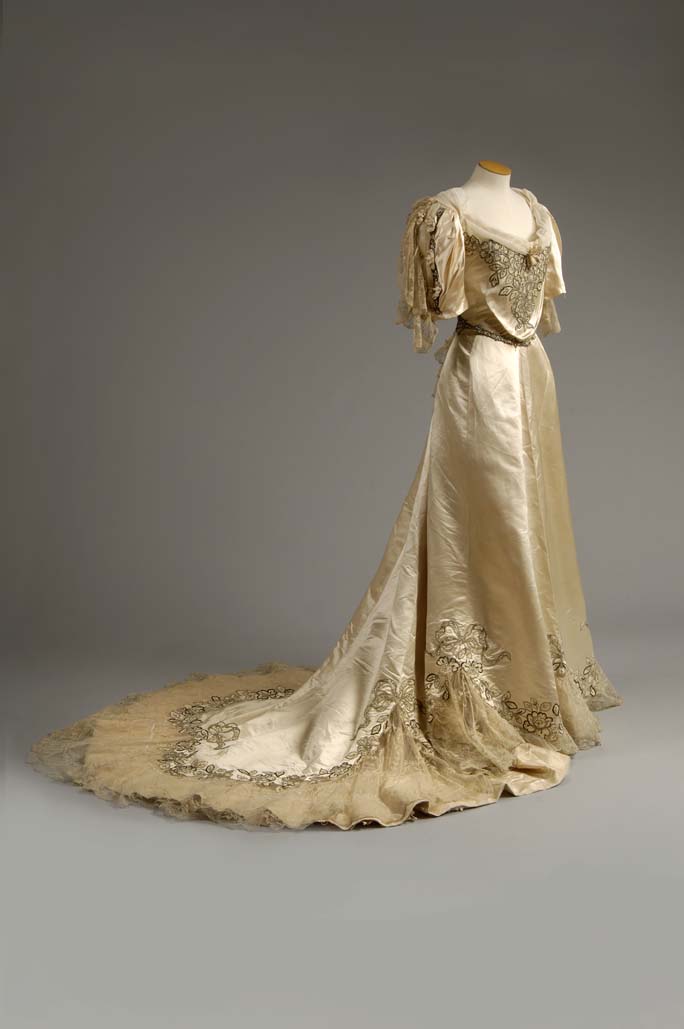
Ceremonial elements have included choreographed entries, accompaniment by sponsors or chaperones, curtsies or bows before hosts, and sequences of dances. Traditional attire in many Western forms has been a white evening gown with long gloves, reflecting ideals of youth and formality and codified under a specific dress code. Court presentation in Britain was discontinued in 1957 when the Queen Elizabeth II ended the practice of formal presentations; reference guides such as Debrett's recorded the conventions of the season.
Regional variations
- United Kingdom: historically centred on court presentation and a defined social season in spring and summer; later moved to private balls and charitable events.
- United States: many cities and regions maintain debutante balls and cotillions, sometimes connected to schools, social clubs or fundraising.
- Other countries: similar coming-of-age or presentation traditions exist with local forms, rituals and ages; some cultural equivalents emphasise family, religion or ethnic heritage rather than aristocratic rank.
Modern adaptations and purposes
Today many debutante events emphasize charitable fundraising, community service, dance and social-skill education, or the preservation of family tradition. Some programs have revised rules of eligibility, dress and ceremony to be more inclusive and to focus on leadership and volunteering rather than matchmaking. Cotillions and similar organisations often provide youth training in etiquette and dance as part of modern civic programming.
Criticism and cultural significance
The tradition has been criticised for perpetuating class divisions, gendered expectations and exclusivity. Defenders argue that contemporary forms can offer social networking, cultural continuity and support for charitable causes. Scholars of social history view debutante rituals as indicators of changing norms about gender, marriage, status and public performance: the form and function of these rituals have evolved as societies changed.
Practical features and participation
- Organization: events are usually organised by family groups, clubs or philanthropic committees and require planning for invitations, rehearsals and program order.
- Sponsorship: debutantes commonly have sponsors or escorts who assist with presentation and introductions.
- Training: many participants undertake lessons in dancing, public deportment and speaking prior to public appearance.
- Costs and fundraising: modern balls may charge fees or raise funds for charity, shifting emphasis from private display to public benefit.
Further reading
Readers interested in etiquette, regional histories or the contemporary role of presentation rituals should consult social histories and guides to ceremonial practice. Materials that treat the subject comparatively can illuminate how similar rites have different meanings across time and place. For specific national or local practices, specialised accounts and community sources provide the most detailed coverage.
See related topics and institutions for context: upper-class customs, the nobility, and dance traditions centred on the ball and the season. The term originates in French usage and has been used in many languages to describe this form of social debut.
Questions and answers
Q: What is a debutante?
A: A debutante is a young woman who is first introduced into society.
Q: Who would be part of nobility in former times?
A: Young ladies who were part of nobility or the upper class.
Q: What did the term debutante originally mean?
A: The term debutante originally meant that a young person was now old enough to be married.
Q: What was the purpose of coming out for debutantes in former times?
A: The purpose of coming out was to display the young lady to eligible bachelors and their families.
Q: Where did the term debutante come from?
A: The term debutante comes from French and means "beginner".
Q: How could a young lady of quality meet someone in former times?
A: A young lady of quality could not meet anyone unless they were introduced to her at an event such as a ball which was part of the social season.
Q: What is the dress code for debutantes?
A: The dress code for debutantes is traditionally a pure white ball gown and white evening gloves.
Related articles
Author
AlegsaOnline.com Debutante: social introduction of young women into adult society Leandro Alegsa
URL: https://en.alegsaonline.com/art/26094
Sources
- debretts.com : "Traditional Season"