
Bullying of people with disabilities
Bullying of people with disabilities is repeated behavior that exploits power differences, occurring in schools, workplaces and online; it causes social, educational and health harms and requires prevention and legal responses.
Overview
Bullying of people with disabilities refers to repeated actions that exploit a social, physical, cognitive or other imbalance of power and target someone because of an impairment or perceived disability. It is often described as a pattern of behavior involving aggression, exclusion or coercion rather than a single incident. This form of bullying can take many shapes — verbal, physical, social, or digital — and can occur in classrooms, workplaces, care settings, neighbourhoods and online.
Image gallery
1 Image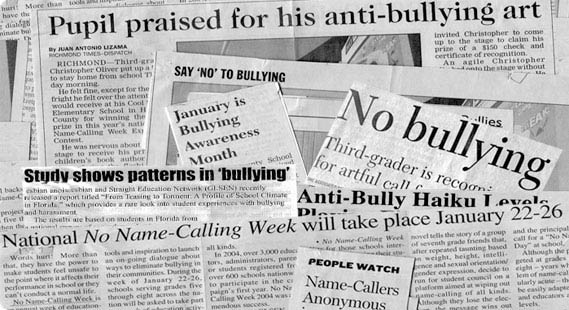
Characteristics and common forms
Typical features include an ongoing power disparity between the aggressor and the target, intent to harm or control, and repetition over time. Examples include name-calling and taunts about a person’s abilities, deliberate social isolation, theft or damage of assistive equipment, threats or physical intimidation, and targeted harassment using technology. People with intellectual, developmental, sensory or mobility impairments may experience different patterns of targeting depending on setting and visibility of their disability.
Prevalence and contributing factors
Research and reports consistently indicate that people with disabilities experience bullying at higher rates than those without disabilities. Factors that increase risk include social marginalization, lack of disability awareness among peers and staff, inadequate supervision, and environments that do not support inclusion. Stereotypes, stigma and ableist attitudes contribute to hostile behaviours and reduce bystander intervention.
Consequences
Bullying can produce short- and long-term harms to mental and physical health, academic or job performance, and social participation. Targets may suffer lowered self-esteem, anxiety, depression, sleep problems, withdrawal from activities, or avoidance of necessary services. Damage to assistive devices or refusal to accommodate needs can create additional barriers to independence and safety.
Response, prevention and legal context
Effective prevention combines clear institutional policies, inclusive education, staff training, accessible reporting procedures and supports for targets. Interventions that involve bystander education and disability awareness reduce incidents. Many jurisdictions address bullying through school rules, workplace policies, anti-harassment laws and disability rights legislation; remedies can include disciplinary measures, reasonable accommodations and restorative approaches. For guidance on definitions and reporting, see materials on bullying and disability from advocacy groups and public agencies.
Notable distinctions and practical steps
Disability-related bullying overlaps with general bullying but often involves specific harms such as tampering with mobility aids or mocking communication differences. Practical steps for individuals and institutions include documenting incidents, seeking support from counselors or disability services, enforcing accessibility and supervision standards, and using formal complaint routes. For broader context see resources on disability and bullying prevention and research summaries about the prevalence of bullying and protections for a person or group who has a disability.
Related articles
Author
AlegsaOnline.com Bullying of people with disabilities Leandro Alegsa
URL: https://en.alegsaonline.com/art/27628
Sources
- simple.wiktionary.org : headlines
- ncd.gov : "Briefing Paper, 'Bullying and Students with Disabilities',"
- bbc.co.uk : "Four arrests after patient abuse caught on film,"