
Ball (formal dance): history, customs, and modern forms
A ball is a formal social dance event with prescribed etiquette, music, dress codes and programming. Historically a site of courtship and display, balls continue today as charity, debutante, and cultural gatherings.
Overview
A ball is a formal social occasion centered on dancing, typically held in a specially appointed room or ballroom. Traditionally it implied invitation-only attendance, evening dress and a program of set dances. Balls combined music, choreography and social ritual to create an event where people met, displayed fashion and observed etiquette. Attendance was often restricted to particular social circles and served both entertainment and social functions.
Image gallery
10 Images



Characteristics and structure
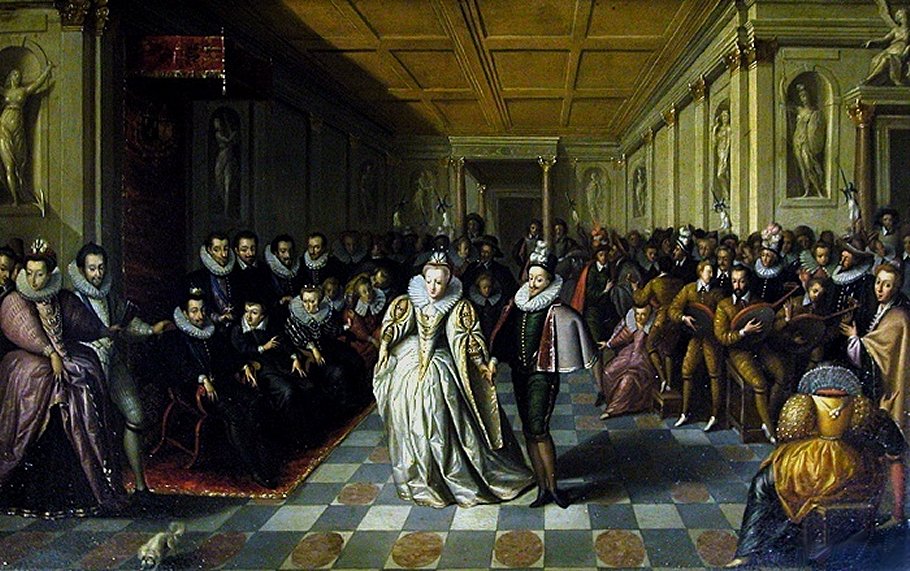
Balls are distinguished by a number of customary elements. These commonly include a printed or announced order of dances, a dress code (white tie for the most formal, black tie for less formal), introductions led by a master of ceremonies, and a seating plan at the perimeter of the floor where non-dancing guests sit and watch. Dance cards or lists allowed women to record the names of partners for specific dances, a practice that formalized invitations to dance. Music was provided by an orchestra or band and followed a sequence of quadrilles, waltzes, minuets or other popular ballroom forms.
Historical development
Balls evolved from courtly dances and communal festivities. In early modern Europe they became fixtures of aristocratic life, where monarchs, diplomats and landed gentry gathered. By the 18th and 19th centuries, public and private balls were important urban social institutions; they shaped fashion, manners and patterns of courtship. The word itself derives from Latin roots associated with dancing. Though once largely the province of the elite, regional and civic balls later opened to broader participation as cities grew.
Uses and modern examples
Today the ball survives in several forms. Traditional masked balls, charity balls, military and service academy balls, university balls, and debutante presentations maintain the ceremonial language of earlier eras. Contemporary nightlife also borrows the term for themed fundraisers and cultural gatherings. Balls continue to serve as occasions for formal networking, charitable fundraising, theatrical costume and the public display of ritualized dance.
Etiquette, roles and notable facts
- Etiquette: formal invitations, punctual arrival, respectful behavior on the dance floor and adherence to dress codes.
- Roles: hosts, master or mistress of ceremonies, musicians, chaperones and ushers who manage the flow of partners and seating.
- Notable distinctions: some balls emphasize debutantes and seasonal presentation, others focus on fundraising or historical reenactment.
Historically balls were associated with wealth and high rank; attendance was a marker of social standing. In that context many events were attended primarily by the affluent and connected see social strata. At the same time they were public spectacles and cultural touchstones for wider society see social occasion. The ball remains an enduring form of organized social dance that links music, fashion and public ritual.
Questions and answers
Q: What is a ball?
A: A ball is a formal dance occasion.
Q: How would you describe a formal ball?
A: People were invited, wore their best clothes ('evening attire'), and the ball was held in a splendid ballroom.
Q: Who used to attend balls?
A: In former times, everyone danced, but only the wealthy would attend balls.
Q: What were dance cards for?
A: Girls had dance cards: men had to sign up to dance with them.
Q: Who would typically sit around the sides during a ball?
A: Older people would typically sit around the sides and watch the younger people dance.
Q: What kind of occasion was a ball?
A: A ball was a society occasion.
Q: Was ball dancing a common practice in the past?
A: Yes, in former times everyone danced.
Related articles
Author
AlegsaOnline.com Ball (formal dance): history, customs, and modern forms Leandro Alegsa
URL: https://en.alegsaonline.com/art/8512