
Dress code: norms, types, history and social roles
An overview of dress codes: what they are, common types (formal, business, uniform, religious, safety), their social functions, enforcement, history, and practical considerations.
Overview
A dress code is a set of expectations, written or unwritten, that guides what people should, may or may not wear in a given place or situation. Some codes are informal social customs that vary by culture and location; others are formal rules issued by institutions, employers or organizers. Cultural differences shape acceptable clothing and grooming, so local context matters: see cultural variations.
Image gallery
10 Images






Common types and components
Dress codes can be categorized by purpose and strictness. Typical categories include formal and ceremonial attire, business and business-casual standards, casual wear, uniforms, religious or modest dress, and protective clothing required for health and safety. Private venues such as some religious buildings or entertainment establishments may post specific requirements to enter—examples include houses of worship and nightclubs. Employers and schools frequently adopt policies to set consistent expectations; some of these take the form of a uniform.
- Formal/ceremonial: tuxedos, evening gowns, national dress for ceremonies.
- Professional: suits or business-casual ensembles for workplaces.
- Uniforms: standardized garments for identification or branding.
- Religious/modesty: garments or coverings tied to faith or cultural norms.
- Safety/PPE: helmets, hi-vis vests, masks required for protection.
History and development
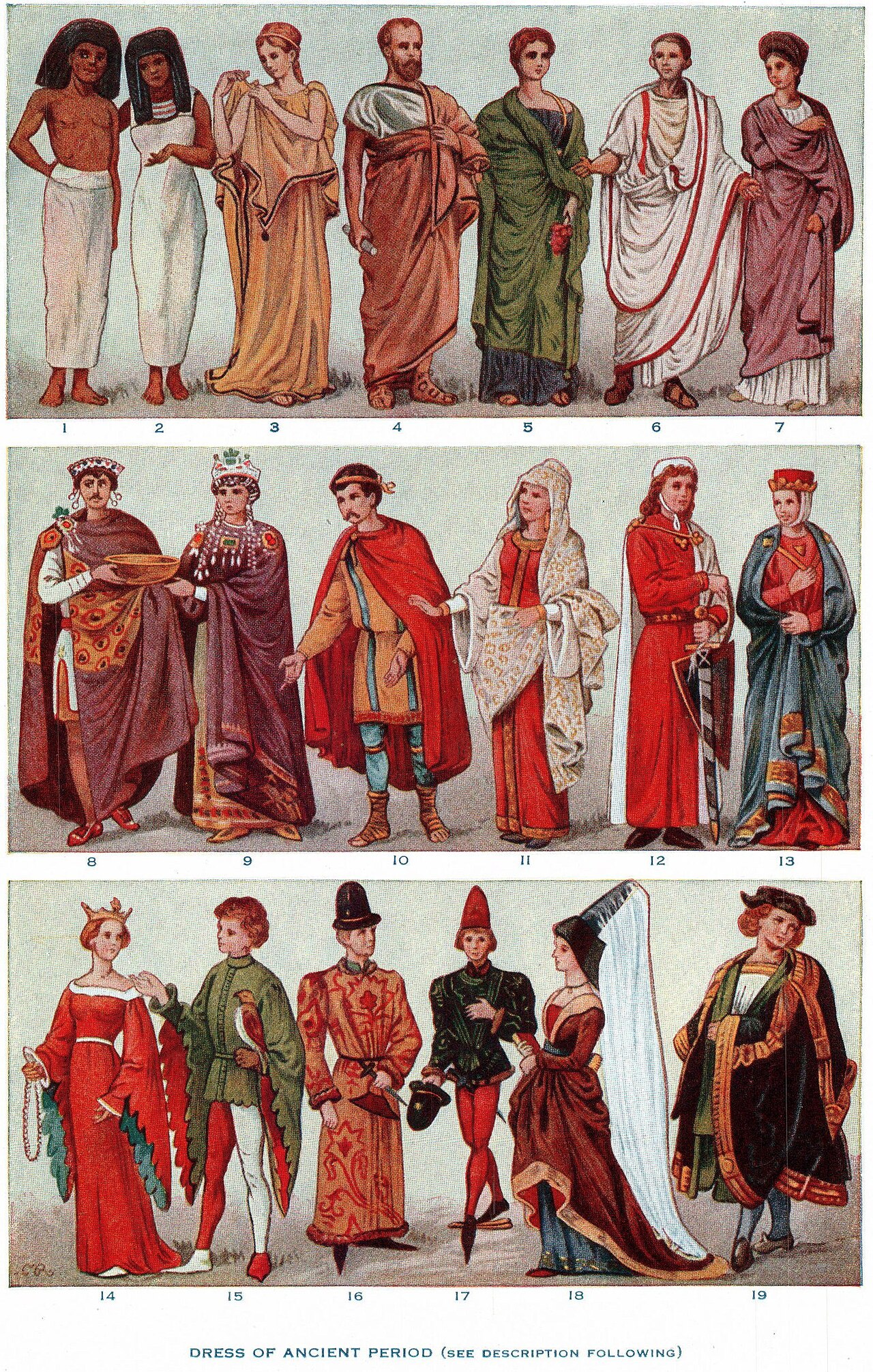
Dress codes have existed in some form for centuries. Traditional dress often indicated social rank, occupation or community membership. Industrialization, institutional schooling, bureaucracy and modern workplaces led to more standardized styles and written policies. Contemporary dress codes continue to evolve with fashion, changing gender roles and legal frameworks that address equality and discrimination.
Functions, enforcement and controversies
Dress codes serve several functions: they can communicate professionalism, group identity, adherence to religious or cultural norms, or practical safety requirements. Clothing also acts as a social signal about wealth or social position—see social signals—and can indicate religious affiliation (religious dress) or personal status such as marital cues in some societies (marital markers).
Enforcement ranges from polite reminders to formal sanctions like denial of entry, disciplinary action or fines. Because dress rules intersect with personal expression and protected characteristics, they can prompt legal and ethical debates about discrimination, gender bias and religious accommodation. Many jurisdictions and organizations now balance uniformity and safety with reasonable accommodations for faith, disability or cultural practices.
Practical considerations
When encountering a dress code, interpret it in context: the event or location, local customs and any written guidance. If a policy seems unclear or restrictive for religious, gender or medical reasons, ask about possible accommodations. Clear, respectful communication and awareness of local norms help individuals comply without compromising safety, identity or rights.
For more information on cultural differences, institutional policies and legal perspectives, consult resources specific to your region or institution: cultural variations, uniform policies, and venue rules.
Questions and answers
Q: What is a dress code?
A: A dress code is a rule about what people should, must or mustn't wear.
Q: Do dress codes need to be written down?
A: Dress codes do not always need to be written down; sometimes they are obvious.
Q: When might there be a written dress code?
A: There might be a written dress code for important events.
Q: What are some examples of places that have a dress code?
A: Some examples of places that have a dress code are churches and nightclubs.
Q: Are uniforms required by some organizations?
A: Yes, many organizations require a uniform.
Q: Can a person's clothing choices be important in a social environment?
A: Yes, the way a person chooses their clothes can be very important in a social environment.
Q: What are some things that clothing choices can communicate about a person?
A: Different types of clothes can give an idea of how much money a person has, what religion he follows, marital status, etc.
Related articles
Author
AlegsaOnline.com Dress code: norms, types, history and social roles Leandro Alegsa
URL: https://en.alegsaonline.com/art/28928