
Witchcraft: beliefs, practices, history, and cultural roles
Witchcraft encompasses practices and beliefs about magic, healing, divination and ritual. This article explains common features, historical development, uses, and how witchcraft differs across cultures and modern contexts.
Overview
Witchcraft is a broad term for systems of belief and practice that invoke unseen forces, ritual actions, plant preparations, or spiritual agency to produce effects in the world. These effects are variously described as healing, protection, divination, cursing, or securing good fortune. People who work with these methods are commonly called witches; other terms in different traditions include sorcerer, magician, or practitioner. Language and labels vary by culture and time.
Image gallery
10 Images





Characteristics and common elements
Practices associated with witchcraft often draw on a combination of practical knowledge and symbolic ritual. Common elements include:
- Use of herbs, minerals or other substances, together with an experiential understanding of their effects; some traditions emphasize an empirical herbal knowledge similar to folk pharmacology (herbal chemistry, pharmaceutical uses).
- Ritual speech, gestures or objects intended to focus attention or alter social relations.
- Divinatory methods such as scrying or reading signs to gain information about the future or hidden causes.
- Belief in relationships with spirits, ancestors or nature-spirits that can be petitioned or negotiated with.
History and regional diversity
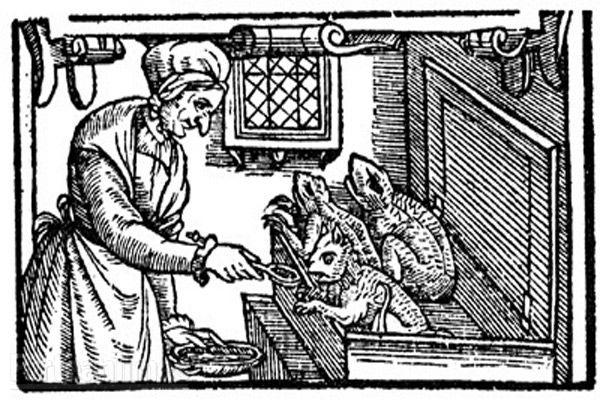
Concepts of witchcraft have long histories and differ widely by region. In parts of Europe, folklore and legal records shaped debates about witches; some terms have specific regional origins, for example words traced to Northern Europe. In many non-European societies, comparable roles exist under other names and social contexts: for instance, the term shaman is used in anthropology to describe spirit-mediated healers, while related magico-religious practices appear across Asia and elsewhere. Historical episodes such as early-modern witch trials and later folkloric revival influenced how witchcraft was perceived and policed.
Uses, social roles, and contemporary movements
Witchcraft can be a personal craft practiced for family or community wellbeing, a set of techniques for healing and protection, or an organized religious identity. Modern movements such as contemporary pagan and witchcraft revival traditions emphasize ethical frameworks, seasonal rituals and environmental concerns, often framing practice as positive and restorative. In other contexts, alleged witchcraft has been the focus of conflict, accusation, or persecution.
Distinctions and notable facts
Witchcraft overlaps with but is distinct from other categories: sorcery is often used to suggest instrumental magic for specific ends; shamanic practices emphasize trance and soul-journeying; and organized religions with magical elements may claim priesthood rather than witchcraft. Practical craft knowledge about plants and remedies remains an important feature in many traditions—common plants and shrubs continue to be used in folk preparations and charms (common herbs).
Understanding witchcraft requires attention to cultural context: what counts as magic in one society may be ordinary medicine or religion in another. For further general reading see introductory sources and region-specific studies (terminology, comparative roles).
Related articles
Author
AlegsaOnline.com Witchcraft: beliefs, practices, history, and cultural roles Leandro Alegsa
URL: https://en.alegsaonline.com/art/108712
Sources
- merriam-webster.com : "Definition of WARLOCK"
- worldcat.org : Witchcraft, oracles and magic among the azande
- dx.doi.org : Witchcraft Continued
- dx.doi.org : "Postcolonial Discourses and the Equivocation of Expertise"
- doi.org : 10.5840/philafricana20131524
- worldcat.org : 1539-8250
- dx.doi.org : "The Salem Witch Trials"
- doi.org : 10.1093/acrefore/9780199329175.013.324
- bible-history.com : "International Standard Bible Encyclopedia: Witchcraft"
- dx.doi.org : "Diogenis Laertii Vitae philosophorum, Volume III, Indices"
- doi.org : 10.1515/9783110961072