
Death of Osama bin Laden
Osama bin Laden was killed on May 2, 2011 in Pakistan by U.S. special forces. The raid, intelligence background, and its political and legal aftermath had wide global impact.
Overview
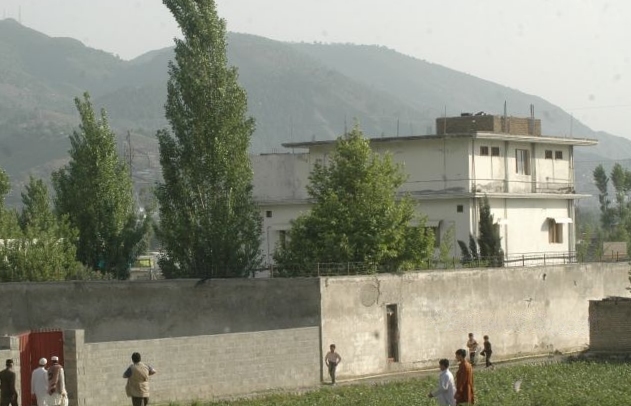
The death of Osama bin Laden was announced by the United States in May 2011 after a covert assault on a compound in Pakistan. Bin Laden, founder and long-time leader of the al-Qaeda network, had been the subject of an international manhunt since the September 11, 2001 attacks. U.S. officials said the operation was carried out shortly after 1:00 a.m. local time (PKT, approximately UTC) by a team of Navy SEALs from the unit commonly known as SEAL Team Six or DEVGRU (Navy SEALs).
Image gallery
10 Images








Operation and identification
The mission, publicly described as a targeted raid, followed years of intelligence-gathering that reportedly tracked members of bin Laden’s support network and household couriers. U.S. officials said personnel entered a fortified compound and engaged occupants; bin Laden was killed during the assault. Identification was reported to rely on multiple methods including visual confirmation by the assault team and corroborating DNA tests. The U.S. government later stated the body was buried at sea in accordance with stated religious and operational considerations.
Immediate aftermath
News of the killing prompted rapid domestic and international reaction. The announcement by American authorities and political leaders was followed by expressions of relief, celebrations, and skepticism in different quarters. Governments, media outlets, and analysts debated operational details, the reliability of intelligence, and the implications for ongoing counterterrorism efforts. The raid also produced strained relations and questions about how the compound was maintained in close proximity to a military academy.
Legal, political and ethical issues
The operation prompted discussion on several fronts: the legality of a cross-border raid on sovereign territory without explicit host-nation approval; the use of lethal force against a wanted militant; and the handling and non-release of certain operational materials such as photographs. Critics and supporters debated whether the mission set precedents for counterterrorism policies and executive authority during armed conflicts.
Significance and longer-term effects
Bin Laden’s death was an important symbolic moment in the campaign against al-Qaeda but did not mark the end of extremist violence. Analysts note that leadership decapitation can disrupt organizations yet also encourage decentralization and adaptation. The event influenced U.S. political discourse, regional diplomacy, and public perceptions of the broader fight against violent extremism.
Further reading and resources
- Background on the militant movement often described as an Islamist organization.
- Reports on U.S. special operations and elite units (Navy SEALs).
- Contextual accounts of the raid in Pakistan and international responses (Pakistan, Osama bin Laden).
Related articles
Author
AlegsaOnline.com Death of Osama bin Laden Leandro Alegsa
URL: https://en.alegsaonline.com/art/26038
Sources
- thelede.blogs.nytimes.com : "Obama Announces Killing of Osama bin Laden" · webcitation.org
- jpost.com : "A New Strategy Against ISIS"
- israelhayom.com : Back to the ground?
- pewresearch.org : "Public 'Relieved' By bin Laden's Death, Obama's Job Approval Rises"
- gallup.com : "Americans Back Bin Laden Mission; Credit Military, CIA Most"
- gallup.com : Pakistanis Criticize U.S. Action That Killed Osama Bin Laden
- amnesty.org : "Questions around operation against Osama bin Laden"
- news.yahoo.com : "US tells court bin Laden photos must stay secret"
- dailytimes.com.pk : "Abbottabad Commission given 30 days to submit report"
- aljazeera.com : "Leaked report shows Bin Laden's 'hidden life'"