
Decapitation (beheading): definition, methods, history and legal status
Decapitation, or beheading, is the removal of the head from the body. This article covers causes (intentional and accidental), methods, physiological effects, historical practice, legal status and cultural aspects.
Overview
Decapitation, commonly called beheading, is the separation of the head from the remainder of the body. The term covers both deliberate acts, such as judicial executions or ritual killings, and accidental events that cause traumatic separation. When performed deliberately under legal authority it is usually described as an execution; when it results from unintended violence, for example a workplace disaster or a major traffic collision, it is typically described as accidental decapitation.
Image gallery
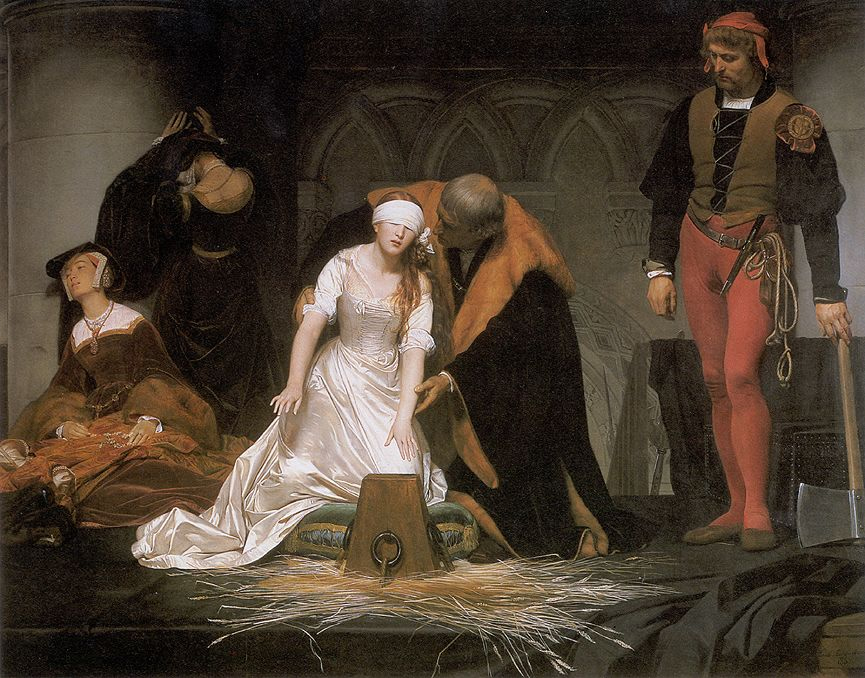
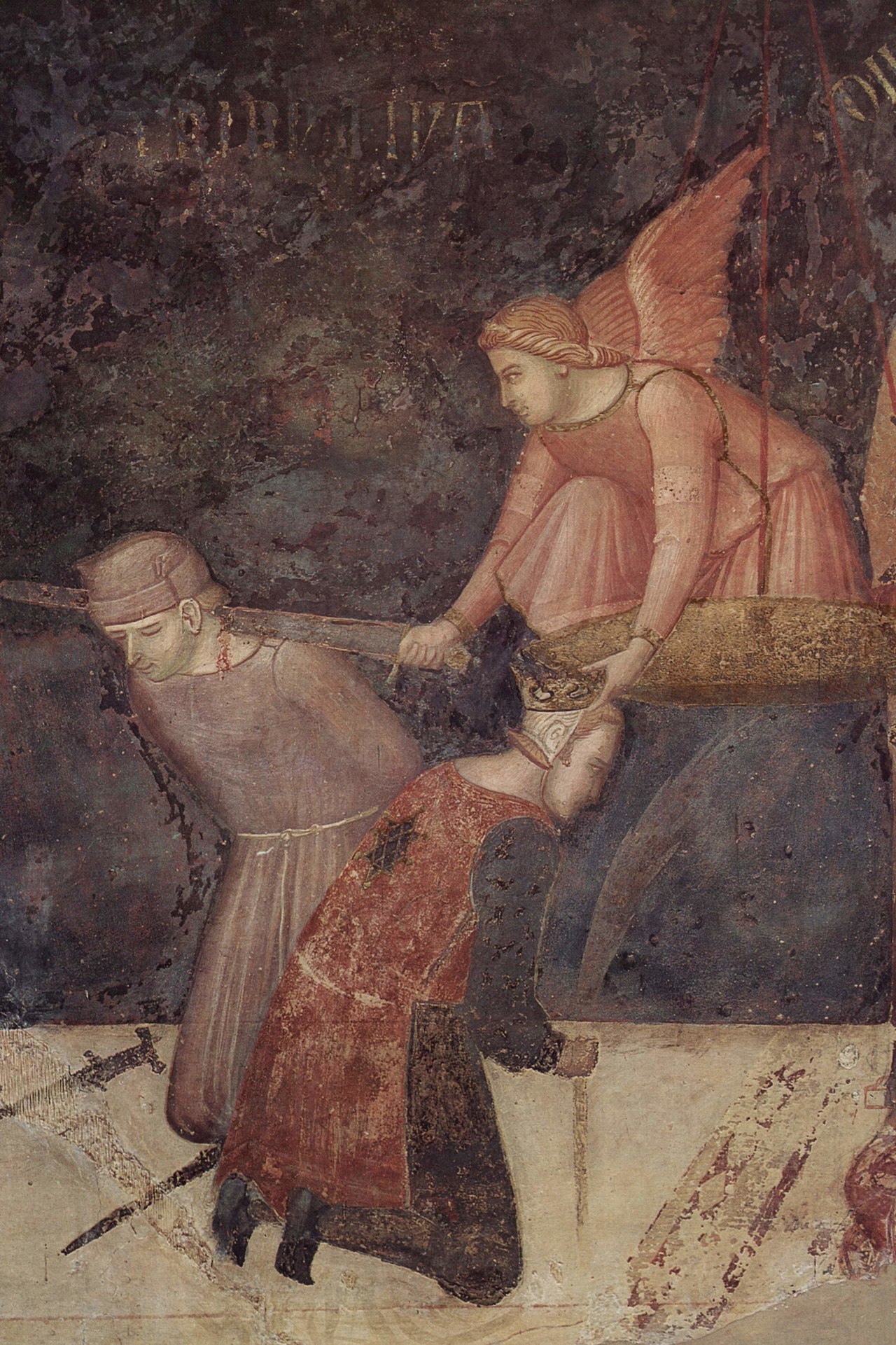
10 Images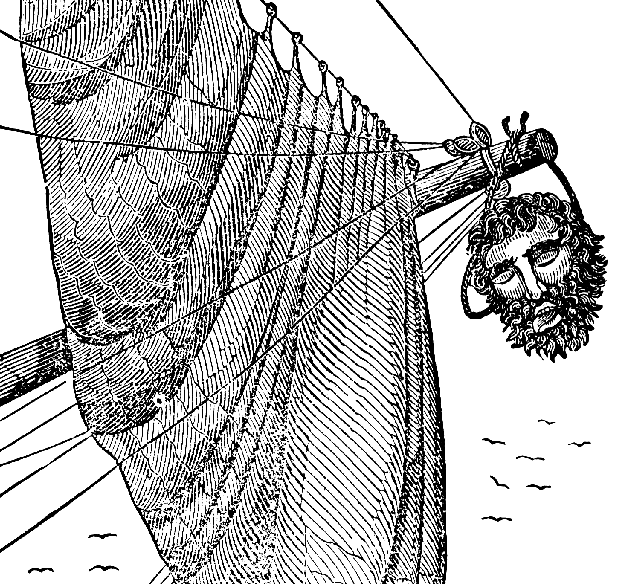






Methods and common causes
Different tools and mechanisms have been used historically and in contemporary contexts. The choice of instrument or mechanism has been influenced by cultural practices, legal codes and available technology.
- Edged weapons: hand-held cutting instruments such as the axe and the sword were common in many societies where manual beheading was an accepted form of punishment or a battlefield act.
- Mechanised devices: the guillotine is a mechanised apparatus historically associated with judicial beheading in parts of Europe because it offered a standardised, rapid method.
- High-energy trauma: accidental decapitation can result from collisions, industrial accidents or an explosion, where extreme forces separate the head from the torso without intent.
Physiological effects
Decapitation is incompatible with sustained biological life. Severing the major blood vessels and interrupting the spinal cord connection to the brainstem deprives the brain of oxygenated blood and prevents the nervous control required for respiration and circulation. For these reasons decapitation results in death. Medical and forensic descriptions focus on the immediate and terminal physiological consequences rather than graphic detail.
Forensic and medical considerations
In accidental cases, emergency response is generally not relevant because survival is not possible once the head is separated. Forensic investigators treat decapitation as a medico-legal matter: they determine whether the event was accidental, self-inflicted, judicial, or the result of homicide, and examine associated injuries, tooling marks or mechanical evidence. In historical cases where a head was removed from a corpse, contexts include trophy-taking, ritualised display or post-mortem mutilation.
Historical use
Beheading has a long cross-cultural history as a form of capital punishment and as part of warfare or ritual. In several pre-modern legal systems the method of execution could depend on social status: for example, nobles were sometimes executed with a sword while commoners faced the axe. During the late 18th and 19th centuries the guillotine was introduced in parts of Europe as a standardised instrument associated with criminal justice and the French Revolution era.
Modern legal status
Many modern legal systems have abolished beheading as a form of capital punishment or have removed public and ritualised executions. Nonetheless, a small number of jurisdictions have retained beheading in law or in practice. Public reports and human rights observers have documented judicial beheadings in particular states; some contemporary instances have involved decapitation carried out with an edged weapon such as a sword. Specific historical notes include the final use of the guillotine in mainland Western Europe in 1977 in France, involving a prisoner of Tunisian origin (Tunisia). Other countries retain different practices and procedures under their criminal codes; international observers have discussed these in human rights contexts. For contemporary reporting and legal commentary see resources that compile national practices.
Cultural aspects and terminology
Outside judicial contexts, severed heads have sometimes been taken as a trophy or displayed as a warning in a number of historical conflicts and rituals. Cultural representations of beheading vary widely, and many societies treat the subject with strong taboo. The person who performs a judicial beheading has been traditionally called a headsman, executioner or similar occupational title.
Distinctions and careful language
Writers should distinguish between "decapitation" in a medical or forensic sense (an anatomical separation usually caused by trauma) and "beheading" as an intentional act, often criminal or judicial. Discussions about decapitation touch on medical facts, legal history and ethical and human rights considerations; when referring to contemporary cases it is important to rely on verified reporting and cautious language.
Contemporary examples and concerns
Where beheading remains part of a legal penalty or is reported in criminal contexts, it often raises questions about due process, human rights and the role of public versus private execution practices. Human rights organisations and international legal bodies monitor and report on such punishments. For contemporary country-specific information, sources and monitoring reports are available through legal and human rights repositories. Contemporary reporting has noted instances in states including Saudi Arabia, while other jurisdictions have long since discontinued the practice.
Further general reference points and explanatory materials can be found by consulting neutral historical overviews, forensic textbooks and published legal analyses; linked placeholders in this article such as head, execution, guillotine and other anchors indicate topics commonly covered in such sources.
Questions and answers
Q: What is decapitation?
A: Decapitation is the act of cutting off the head from the rest of the body of a living thing.
Q: How is beheading usually done?
A: Beheading usually means that the removal of the head is deliberate and it is generally done during an execution with an axe, sword, or guillotine.
Q: What happens when someone is decapitated?
A: When someone is decapitated, it always results in death because all other organs stop receiving nervous signals from the brain that are needed to function, while the supply of blood, and therefore oxygen, to the brain itself is also cut off.
Q: Is decapitation ever used as a form of execution?
A: Yes, some countries still use beheading as a means of execution. In Saudi Arabia for example, convicts are beheaded with a sword.
Q: Who performs beheadings?
A: The person who performs beheadings is called a headsman.
Q: When was beheading used as a form of death penalty in Scandinavian countries?
A: Beheading was used as a form of death penalty in Scandinavian countries in past centuries. Noblemen were typically beheaded with swords and commoners with axes.
Q: When was the last time someone was guillotined for murder in Europe?
A: The last time someone was guillotined for murder in Europe occurred 1977 when Tunisian murderer Hamida Djandoubi was executed in France.
Related articles
Author
AlegsaOnline.com Decapitation (beheading): definition, methods, history and legal status Leandro Alegsa
URL: https://en.alegsaonline.com/art/26101
Sources
- nytimes.com : Saudis Consider Firing Squads for Executions